
Content note: this page was written by Claude (AI) for Pensacola Locksmith.
First priorities after an entry
Your safety comes first. If you suspect someone may still be inside, leave and call emergency services before anything else. Do not go through the house to check what was taken until officers have cleared it. Once the scene is safe, report the incident so there is a record, which your insurer will usually require.
Avoid touching or cleaning the point of entry before it has been photographed. Door damage, tool marks and broken glass can be useful evidence. Take your own photos from several angles, including the lock, the strike plate, and the frame, and note the time. These help with insurance claims and with explaining the damage to a repair person.
After the scene has been documented, the opening needs to be secured. A door that will not latch leaves the home exposed overnight. A locksmith can often make the door secure again the same day, either by repairing it or by fitting a temporary measure until permanent work can be done.
Many people feel an urge to tidy up right away, and that is understandable. Resist it for a short time until the report is made and photographs are taken. Once documented, you can clear glass, move damaged items aside, and make the home feel livable again. Put valuables that remain in a safe place, and write down anything you notice is missing, even small items.
How doors usually fail in a forced entry
Most forced entries on residential doors are not defeated by picking. They are kicked, shouldered, pried or split. The weak point is usually the frame around the strike plate, where short screws hold a thin plate into soft wood. A kick can split the jamb, and the door swings open with the lock still locked.
Other entries involve the lock itself. Bumping, drilling, snapping a cylinder, or twisting off a knob are all methods that leave visible marks. Sliding doors are lifted out of tracks or have latches pried. Glass panels beside doors can be broken to reach a thumb turn.
Understanding how the entry happened shapes the repair. If the jamb split, a new lock in the old frame invites a repeat. If the cylinder was snapped or drilled, the lock must be replaced. If glass was broken near the lock, a double cylinder or a different arrangement may be worth discussing.
Tool marks tell a story. Fresh scratches around the keyway suggest tampering with picks or a bump key. Dents on the door face near the lock suggest impact. A gouge between the door and jamb at the latch suggests a pry tool was used. A technician can read these signs and decide which components were affected, which helps decide whether the repair is simple or major.
- Split or cracked door jamb at the strike
- Bent or torn strike plate
- Cylinder removed, drilled or snapped
- Latch bolt bent or missing
- Door slab cracked around the lock bore
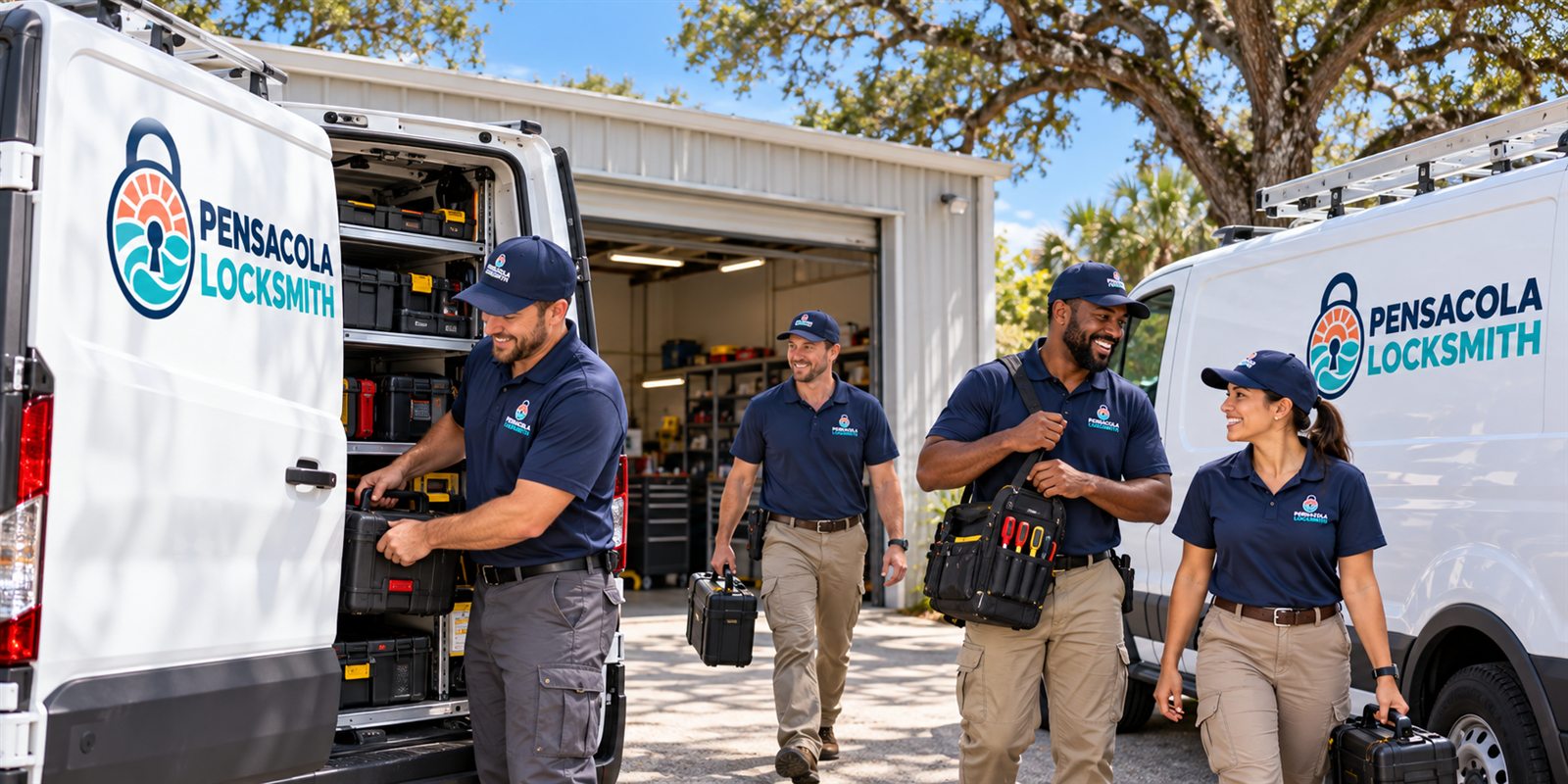
Checking the frame, strike and hinges
The strike side of the frame is the first thing to inspect. Look for cracks running along the grain, a gap between the jamb and the wall, and screws that have been pulled partway out. A hairline crack can still weaken the frame, even if the door seems to close normally.
Hinges deserve a look as well. Pry attacks and impact on the hinge side can loosen screws or bend the leaves. The hinge screws should be long enough to reach the framing behind the jamb. If they are short, they can be replaced with longer ones without changing anything else, which is a simple strengthening step.
The door slab should be checked for splits around the lock bore and edge. A cracked slab will not hold the new lock firmly, and the damage tends to grow. Depending on the material, a repair plate or a replacement door may be sensible. A technician will say honestly what can be saved.
Wooden frames split along the grain, while metal frames bend. A metal frame that has been bent outward will not return to square without being reshaped, and welds or screws may have been strained. Wooden jambs can sometimes be repaired with glue and a metal plate, but a deeply split jamb is usually replaced. Either way, matching the finish is a job for a carpenter or a painter.
Why rekeying or replacing the lock matters
Even if the lock appears undamaged, you may not know what was taken. Keys kept in a drawer or a bowl near the door could have been copied or removed. Garage remotes and spare keys on hooks are also at risk. Changing the keying removes that unknown.
Rekeying alters the internal pins so old keys no longer work, usually at less effort than replacing the whole lock. It is a good choice when the hardware is sound. If the lock has been attacked, replacement is the better course, since a damaged cylinder or latch may fail later.
Do the same for all exterior doors, not only the one that was forced. A person who has a key to one lock may have the same key for others if the house is keyed alike. Rekeying all doors to a new single key is usually convenient and gives a clean start.
Keep track of all keys after the change, including any given to neighbors, family and cleaners. Hand out new keys deliberately, and keep a short list of who has them. If you use a keypad lock, set a new code and remove the old ones. Treat the new setup as a fresh start with better habits than before.
Hardware that holds up better
A sturdy deadbolt with a solid bolt, a hardened insert and a one inch throw provides more resistance than a basic latch. Paired with a heavy duty strike secured with long screws into the framing, it can make a forced entry much harder. The hardware and the installation both matter.
Consider a door reinforcement kit. Metal wraps for the lock area and a full length strike plate spread impact over a larger section of the frame and door. These parts are not visible once fitted, but they change how the door responds to a kick. A locksmith can fit them as part of the repair.
For glass doors or doors with sidelights, think about the position of the thumb turn. If a person can reach it by breaking a pane, a keyed cylinder inside or a different layout may be considered. Weigh that against fire safety, since you need to leave quickly in an emergency.
Consider also what an intruder sees from outside. A door with a visible deadbolt, a solid look and a bright light looks more difficult than one with a basic knob and a dark entry. Some locks have a bump resistant or pick resistant cylinder, which adds protection against quieter methods. These are worth asking about when you choose replacement parts.
Other entry points to review
After one door has been attacked, take a look at the rest. Windows, sliding doors, garage entry doors and back doors all deserve a quick check. Is the latch working? Is there a bar or pin? Do the locks match? A break-in often shows which weaknesses were noticed.
Look at the surroundings too. Overgrown shrubs can hide a person working on a door. Poor lighting makes things easier for a thief. A motion light, a trimmed hedge, and a visible camera or doorbell camera can change the decision for someone casing a home, and cost little in effort.
Do not forget the garage. Many break-ins start there, and the interior door is often weaker than the front. If it has not been upgraded, include it in the plan. A technician can walk through the house and list what should be done now and what can be done later.
Neighbors can be an extra set of eyes. Let a trusted neighbor know what happened, share a phone number, and ask them to watch for anything unusual while you are away. Community groups and building managers often share information about incidents in the area. A connected neighborhood does more to discourage repeat visits than any single piece of hardware.
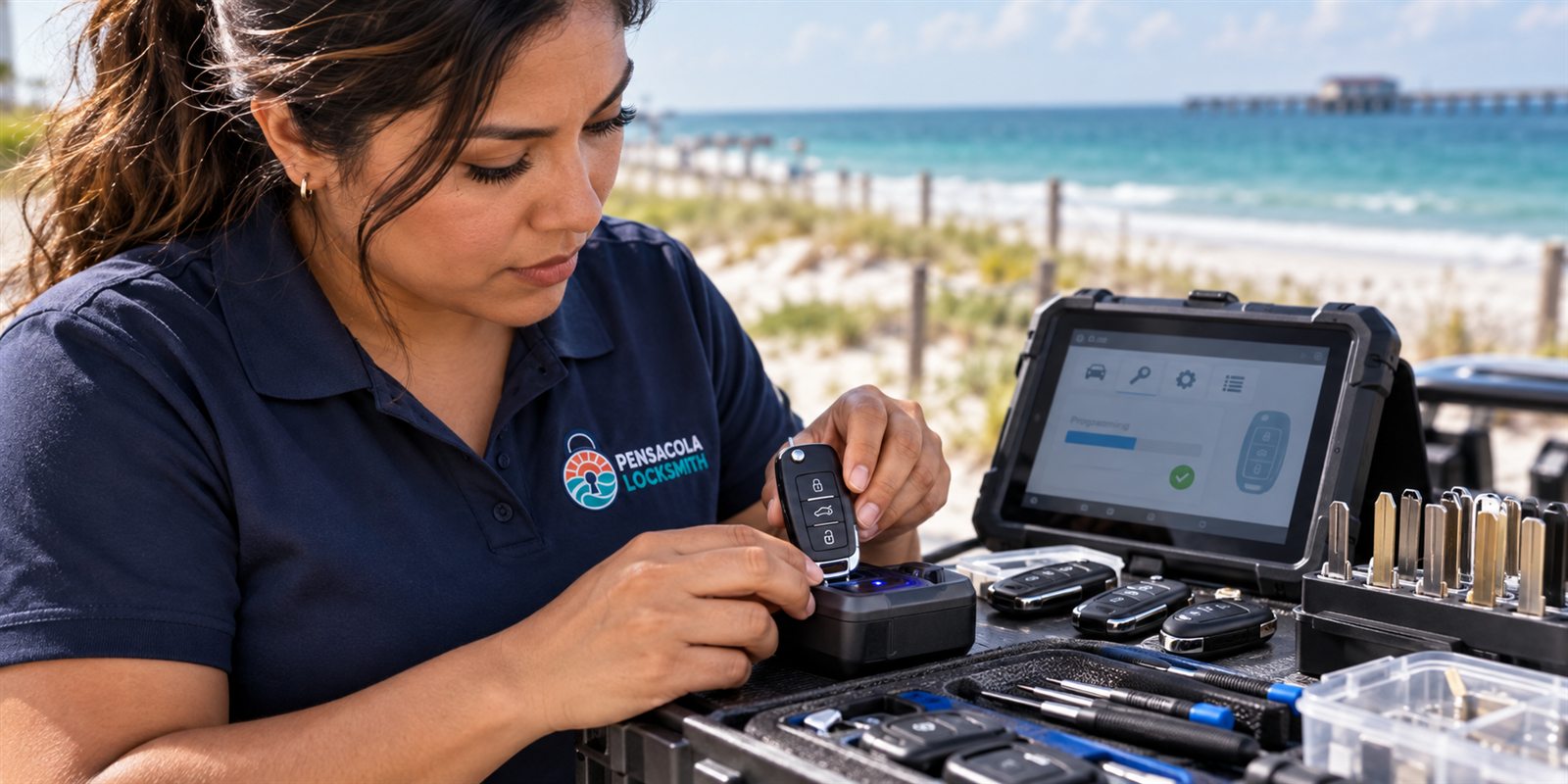
Dealing with insurance and landlords
Contact your insurance company soon after the incident, and ask what documentation they need. Keep receipts for any emergency work, and ask the locksmith to describe the work on the invoice. Your policy may cover repairs, so clear records help.
If you rent, tell the landlord or property manager right away. The lease may require their approval for lock changes, and the owner may have rules about who handles repairs. A locksmith will want to confirm that the person asking has authority over the property, as with any lock work.
For businesses, the same applies. Notify the owner or landlord, and keep a record of who holds keys. A checklist of doors and locks makes the follow-up faster. If you manage several properties, treat the incident as a prompt to review all of them.
If you manage commercial space, keep a log of lock changes and key holders, and rekey when staff leave. For rental homes, have a standard process for changing locks between tenants. This reduces the odds of an old key being used, and it makes the aftermath of any incident much easier to handle.
Hurricane season, vacancies and vulnerable periods
Homes in the Pensacola area are sometimes empty for long periods, whether because owners are seasonal residents or because of rental turnover. Vacant homes draw attention. Make sure locks are in good shape before you leave, and arrange for someone to check the property occasionally.
After storms, damaged doors and broken windows can leave a home open. Looters and opportunists are a risk in the days after a major event. Securing the property quickly matters, and a locksmith can help with doors and locks while other trades deal with glass and structure.
Plan ahead where you can. Keep a list of the locks and keys on your property, know where spares are, and have a contact for repairs. Call us to confirm availability, particularly during busy periods after severe weather, when demand for door and lock work can be high.
Keep the paperwork from the visit together with your insurance records. Note the date, what was done, and any recommendations for follow up. If the technician advised work from another trade, such as carpentry or glass, arrange it soon so the home is not left with a half finished fix. Check the door again after a week to see that it still closes cleanly.
What to expect from the repair visit
When you call, describe the damage honestly: which door, what is broken, whether it still closes, and whether the home is secure for now. A photo helps. Quotes are given by phone for clear jobs, and call us to confirm availability.
On site, the technician checks ownership or authority, inspects the door, frame and lock, and talks through options. Immediate steps usually include making the door secure and fitting a working lock. Further work such as frame repair or door replacement may be planned separately.
If the damage is extensive, a technician visits to assess it and the service call charge is explained before dispatch. You decide what to do now and what to leave for later, with the home secured in the meantime.
Emotional aftermath and rebuilding a sense of security
It is normal to feel uneasy after a break-in. The home feels different, and every noise at night can seem threatening. Practical steps help restore a sense of control: new locks, better lighting, and a routine of checking doors before bed. Small actions add up, and they turn worry into something manageable.
Talk with the people who live with you about what happened and what has changed. Children in particular may need reassurance. Explain the new locks and show them how they work, without alarming them. If you feel unsettled for a long time, speaking with a friend or a professional is a reasonable step.
Remember that most break-ins are opportunistic. A prepared home with working locks, a solid frame, good lighting and an alert neighborhood is less appealing than easier targets. You cannot make a home impossible to enter, but you can make it clear that entering will take effort, noise and time, and that matters.
Temporary security while permanent work is arranged
Sometimes the right parts are not available the same day, or the frame needs a carpenter before a lock can be fitted. In those cases a temporary solution keeps the home protected. Options include a surface mounted bolt, a bar brace, or screwing a piece of material over a damaged opening. None of these is elegant, but each is better than a door that will not hold.
Temporary fixes should be treated as temporary. A bar brace is easy to forget, and a screwed on panel can look neglected. Set a date for the permanent repair, and put it in your calendar. Ask the technician what to watch for, and keep any parts that were removed in case an insurer wants to look.
If you must leave the home overnight, think about where you will stay and who will watch the property. Tell a trusted person what has happened. If a door cannot be secured at all, it may be safer to board it from outside and return when proper hardware is available. A locksmith will advise on what is practical in your situation.
Common questions
Should I rekey or replace the locks after a break-in?
Rekeying is enough when the lock is undamaged but keys may be compromised. Replacement is better when the cylinder or latch was attacked. Many homeowners change all exterior locks so that nothing old remains in use. The technician can advise which suits each door.
My door closes but the frame is cracked. Is that a problem?
Yes, it can be. A cracked jamb will not resist another kick, even with a new lock. The frame should be repaired or reinforced, with a strike plate secured by long screws into the framing. A locksmith can assess the damage and say whether carpentry is needed.
Can the door be secured the same day?
Often a door can be made secure with a repair or temporary measure, but timing depends on the damage and demand. Call us to confirm availability. Securing the opening is the first goal, and permanent work can follow afterward.
Do I need to keep the damaged lock for insurance?
It can be helpful. Take photographs first, and ask the technician to hand you the old parts if the insurer or police may want to see them. Keep the invoice, which describes what was repaired or replaced.
Will better locks stop another break-in?
No single product can promise that. Good hardware, a reinforced frame, lighting and habits together make entry harder and less attractive. The goal is to raise the effort needed, so a would-be intruder moves on. A locksmith can suggest practical steps for your home.