
Content note: this page was written by Claude (AI) for Pensacola Locksmith.
Why locksmiths ask at all
Opening a locked car or making a new key is the same skill whether the person asking is the owner or a thief. A technician has no way to tell by appearance. Someone standing next to a vehicle at night, asking to be let in, could be locked out of their own car or could be trying to take someone else's. The honest answer is that no one can know without evidence.
Because of that, responsible locksmiths ask for proof before cutting, programming or opening. The request is not a judgment about you. It is a routine step that applies to everyone, and it protects you as much as anyone. If your car were targeted, you would want any technician to ask the same question of the person standing at it.
The check also protects the technician and the business. Handing a key to the wrong person can lead to theft, damage and serious legal trouble. A clear process, applied evenly, keeps the work safe. It is part of doing the job properly, in the same way that a pharmacist checks a prescription or a bank checks an ID.
Think of it as a short conversation with a simple goal: confirm that you have the right to access this vehicle. Most people clear it in a minute or two. When you know what to expect, you can have the documents ready and the call goes smoothly, even when you are standing in a parking lot at the end of a long day.
Pensacola has a mix of residents, visitors, students and service members passing through, and vehicles with out-of-state plates are common. That variety is normal and welcome, and it is one more reason a consistent, polite ownership check works better than guesswork. The process does not depend on where you are from, only on whether the papers and the vehicle agree.
Documents that commonly work
The strongest combination is a government issued photo ID plus a document that links you to the vehicle. The photo ID shows who you are. The vehicle document shows what you own. When the names match and the vehicle details line up, the technician has what they need to continue with confidence.
Vehicle documents include the registration, the title, or a lease or finance agreement that names you. Some people use a bill of sale for a recent purchase. The document should show the VIN, the make and the owner's name. An expired registration may still help, though a current one is better. The technician decides what is acceptable under their procedures.
Insurance cards and policy documents can add support, since they list the vehicle and the insured person. They are not always sufficient alone, because they may not prove ownership. Used together with a photo ID and another document, they strengthen the case. Digital copies on your phone are often acceptable when they are clear.
Bring the original or a clear photo of each document. If you have more than one, bring them all. A pile of supporting evidence helps if one item is out of date or unclear. If you are unsure which items to bring, call us and describe what you have, and we can tell you what will work.
Names can complicate things. If your ID shows a different name from the registration, bring a document that explains the change, such as a marriage certificate, or a second item that links both names. If the vehicle is registered at an old address, bring something that shows the move. Small gaps are usually fixable when you can explain them clearly.
- Government issued photo ID
- Vehicle registration or title
- Lease, finance or purchase agreement
- Insurance card showing the vehicle and your name
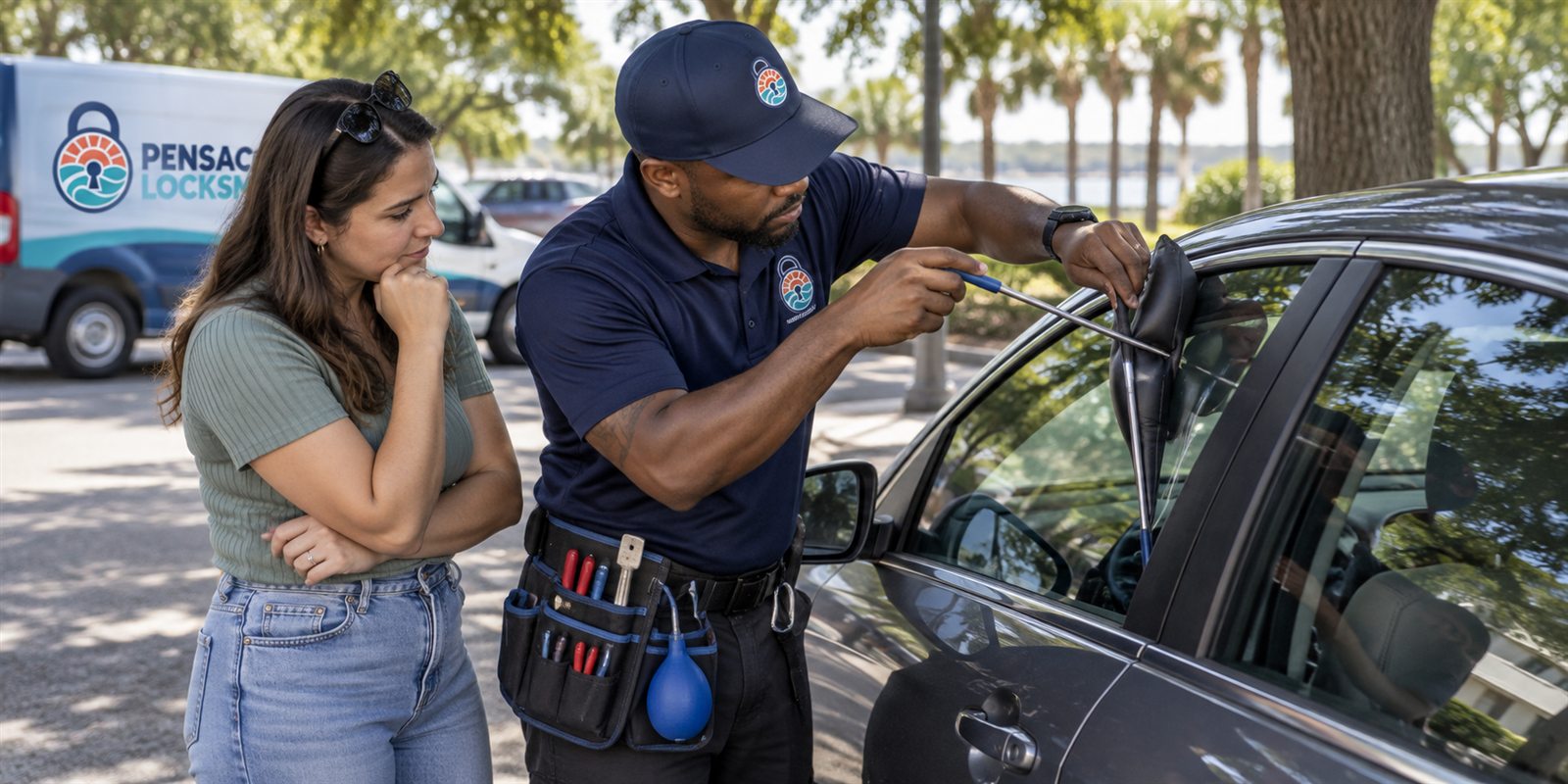
Matching the vehicle to the paperwork
A technician compares what the documents say with what is on the vehicle. The most important match is the VIN. The number on the registration or title should be the same as the one on the dashboard plate or door jamb sticker. Make, model, color and license plate are checked too. These details together confirm that the paper and the car belong to each other.
If the vehicle is at a location where the VIN is hard to read, such as a dark lot or a dirty windshield, a flashlight and a clean cloth help. Wiping dirt away and using your phone camera can reveal the number. Take your time. A careful comparison is quick, and it keeps errors out of the process.
Mismatches can have innocent explanations. A recent sale that has not been processed, a name change after marriage, a typo on an old form or a plate swap can all create differences. If something does not match, explain it and offer other documents. The technician may need to see more evidence or may suggest resolving the issue with the registration office first.
Keep in mind that a technician may also look at the situation in general. Does your story fit the circumstances? Do you know details about the car that an owner would know, such as the contents or recent service? These informal checks are normal and can help in cases where documents are partly missing.
A technician may also ask you to describe the vehicle. Questions such as what is in the trunk, how many keys you had, or when it was last serviced are not traps. They are friendly ways to see that the story holds together. Answer honestly and simply, and say so if you do not know something rather than guessing.
When the car is leased, financed or owned by a business
Not every driver is the registered owner. A leased vehicle is owned by the leasing company, and a financed vehicle may have a lender listed on the title. In these cases, the driver is the authorized user. Bring the lease or finance agreement showing your name, along with your ID and the registration. This usually establishes your right to access the vehicle.
Company vehicles are different again. If you drive a work vehicle, bring proof that you are an employee and a letter or message from the company authorizing you to request service. A business registration with the company name will match the vehicle paperwork. The technician may want to speak with a manager to confirm the request.
Family vehicles can cause confusion. A parent may own a car that a son or daughter drives, or a spouse may be the named owner. In those cases, the owner can authorize the work by phone or in writing, and the driver can show a matching ID plus a document. Plan ahead by keeping copies of the registration in a safe, accessible place.
Rental cars should be handled through the rental company, which owns the vehicle and typically has its own process. A locksmith may not be allowed to work on a rented vehicle without the company's permission. Call the rental company first, and ask what they require. It can save time and avoid trouble.
What if you cannot find your documents
It happens often: the registration is in the glovebox of the locked car, or the title is at home across town. If the paperwork is inside the car, ask whether another form of proof could work, such as a photo of the registration on your phone, a copy emailed to you, or an insurance app with vehicle details. Many people have more digital evidence than they realize.
Think about who can help. A family member may be able to bring copies. Your insurance company's app can show proof of insurance with the vehicle details. A lender's online account may show the vehicle and your name. A state or county registration office may have online access for owners. These sources can fill gaps quickly.
If you truly cannot show anything, the technician may decline the job, and that is appropriate. It would be worse if they proceeded without any evidence. In such a case, work on retrieving the documents and call again. A short delay is a small price compared with the risk of the wrong person getting access.
To avoid the problem next time, keep a photo of your registration and your ID in a secure place on your phone, and keep paper copies at home. Do not keep the title in the vehicle. A little preparation turns a potential crisis into a routine call, which is the best outcome for everyone involved.
Lost keys, all keys lost and stranded situations
When you have lost every key, the stakes are higher. A technician will need to cut a key from scratch and program it to the car, which gives complete access to the vehicle. That makes the ownership check even more important. Expect to show ID and documents, and expect the technician to compare the VIN carefully before beginning.
If you are stranded in an unfamiliar place, such as a parking lot at the beach or at a trailhead, tell the technician your location and what documents you can access. They may suggest ways to retrieve proof from your phone or from someone at home. Staying calm and clear makes the conversation easier for both of you.
Safety comes first. If you are alone at night in an uncomfortable spot, think about moving to a lit, public area while waiting. Do not feel pressure to accept help from anyone who shows up unannounced. A legitimate technician will have arranged the visit with you, will identify themselves and will explain the process before starting.
Call us to confirm availability and to discuss your situation. Quotes are given by phone, and if a job is complicated, a technician visits and the service call charge is explained before dispatch. The ownership check happens at the start of the visit, so have your documents ready.
After a new key is made, ask about the old ones. On many vehicles, the lost keys can be removed from the car's memory so they no longer start it. If someone else may have picked up your missing key, that step matters. The technician can explain what is possible for your vehicle and what it involves.
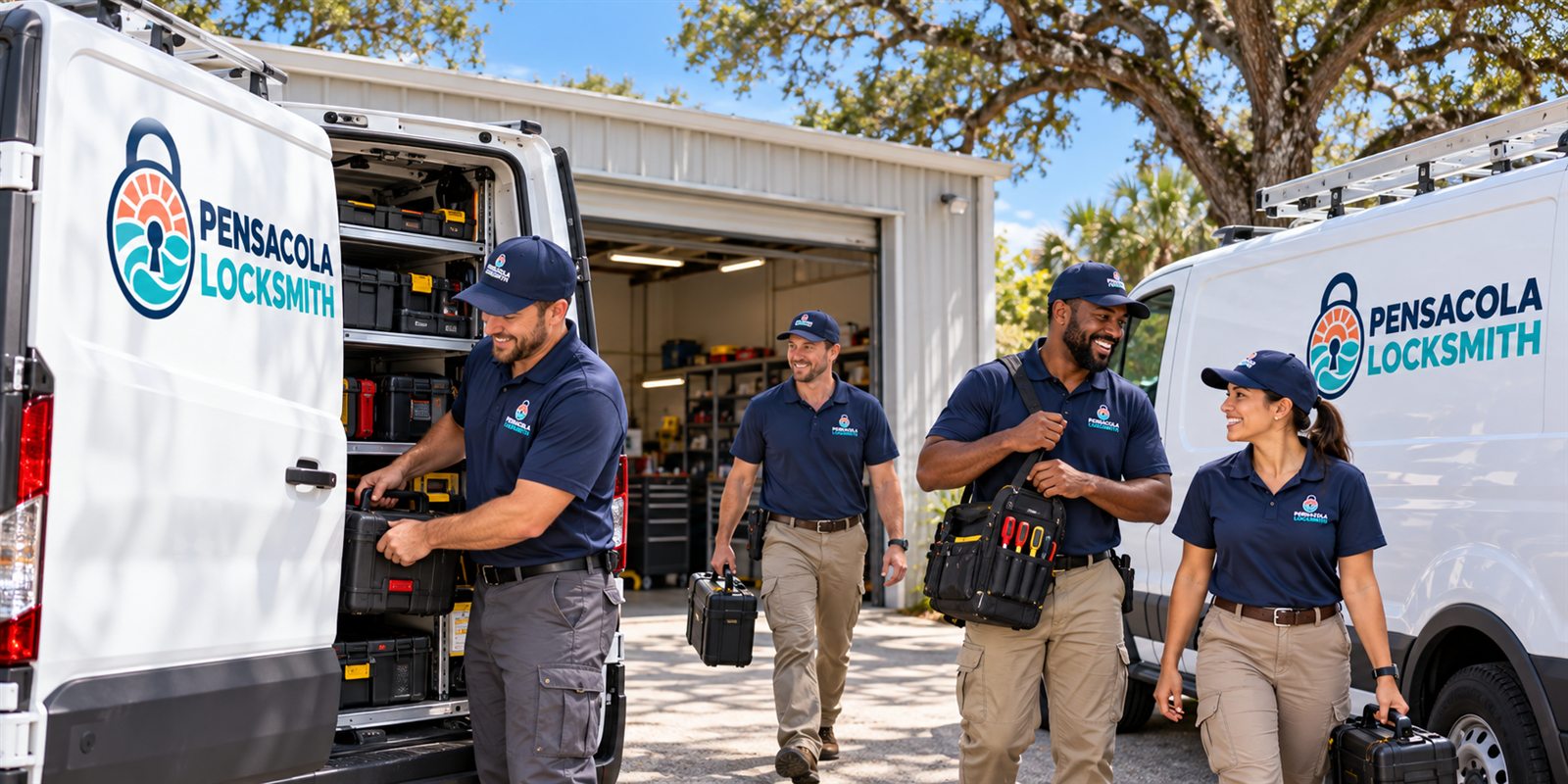
Selling, buying and transferring vehicles
Ownership questions often come up around a sale. If you just bought a used vehicle and have only the key from the seller, you may want an extra key or a rekey of the ignition. Bring the bill of sale, the signed title if you have it, your ID and the registration or temporary tag. Show that the transfer is real and recent.
Beware of sales that feel rushed or incomplete. A seller who cannot produce a title, who gives you only one key, or who avoids showing identification may not have the right to sell. That is a problem for you, not only for a locksmith. Check with the registration office before you hand over money if anything seems off.
For an inherited vehicle, bring documents showing your authority, such as a death certificate and letters of administration, plus the title and your ID. The rules vary and take time. A technician cannot decide legal questions, but the paperwork you gather for the registration office will usually serve for the key request as well.
If you are selling a vehicle, think about the keys you hand over. Give the buyer all the keys, gather your own documents, and remove personal items. Consider keeping a record of the transfer. Clear paperwork protects both sides and makes future key work simpler for the new owner.
Dealers and private sellers sometimes hand over vehicles with one key and a promise to supply another later. If you can, ask for a second key before you pay. If that is not possible, plan to make a spare soon after you buy, once you are able to show clean paperwork and your own ID.
Staying safe and preparing in advance
Be cautious about anyone who offers to open or make a key without asking for any proof at all. It may seem convenient, but it signals a lack of care, and the same lack of care could be applied to your own vehicle. A reasonable ownership check is a sign of a professional who takes the work seriously.
Keep your personal documents safe. Do not post photos of your registration, title or ID online. Share them only with the technician you have chosen. If you are asked to send documents to an unfamiliar number or account, pause and verify who you are dealing with first. Call back using a number you trust.
Build a small folder, digital or paper, with the essentials: a photo of your ID, the registration, the VIN, the insurance card and the number of spare keys. Store it where you can reach it from a phone. When trouble comes, the folder turns a stressful hour into a simple one.
Finally, think of the check as a service. It is part of how locksmiths keep vehicles and their owners safe. A short conversation, a few documents and a bit of patience protect you and the community. If you have questions about what to bring, call us before you need help, and we will talk through it.
Common questions
What documents do I need for a car key request?
Bring a government issued photo ID and a document linking you to the vehicle, such as the registration, title, lease or finance agreement. The VIN on the paper should match the car. Insurance cards can add support. Clear phone photos are often acceptable. Call us if you are unsure what will work.
What if the registration is locked inside the car?
Look for other proof, such as a photo on your phone, a copy emailed to you, an insurance app showing the vehicle, or a lender's online account. A family member may be able to bring copies. If nothing can be shown, the technician may decline, which protects owners from unauthorized access.
Can I get a key for a leased or company vehicle?
Often yes, with the right paperwork. For a lease or finance agreement, bring the agreement, your ID and the registration. For a work vehicle, bring proof of employment and authorization from the company. The technician may call the owner to confirm. Rental cars should go through the rental company first.
Why do you need to match the VIN?
The VIN ties the paperwork to the exact vehicle in front of us. If the number on your registration matches the dashboard plate or door jamb label, it confirms the documents belong to that car. A mismatch needs to be explained or resolved before cutting or programming a key.
Is the ownership check different if I am stranded far from home?
The check is the same, but the way you provide proof may differ. Use digital copies, insurance apps or a family member to supply documents. Tell the technician your location and what you can access. Call us to confirm availability, and we can explain what to prepare before the visit.