
Content note: this page was written by Claude (AI) for Pensacola Locksmith.
The first call after you close on a house
Buying a home hands you a stack of keys and no way to know who else holds a copy. The seller, a real estate agent, a previous contractor, a relative who once watched the dog, an inspector and a lockbox user may all have had access at some point. Even if everyone involved was honest, that is a lot of unknown keys, and most new owners feel better once the question is simply closed.
Rekeying is the usual answer. The technician removes the cylinders from your exterior locks, resets the internal pins to match a new key, and reinstalls them. The old keys stop working, the hardware stays on your doors, and the whole home runs on keys that only you control. For most houses it is quicker and gentler than replacing locks, and it can be done soon after closing, before the moving truck arrives.
Before the work begins, the technician will ask you to show that you own the home or are authorized to act for the owner. A closing document, a deed, a lease with management approval, or identification matching the address are all reasonable. That check is the reason a locksmith can safely change access to a house, and it is applied to everybody, whether a new owner or a longtime resident.
If the previous owners are still around for a few days after closing, ask them to leave every key, remote and fob they have, including the ones for the mailbox, garage and any outbuildings. Even then, rekeying remains the cleaner choice, because it does not rely on anyone remembering how many copies they once made. It also gives you a clear date from which you can say that only your keys open your doors.
What builder hardware really is
New construction in growing subdivisions often comes with hardware chosen to meet a budget across many homes at once. That is not a criticism, because builder-grade locks do their basic job. But they are usually the lightest-duty option, with thin finishes, simple cylinders and a latch that has not been tuned to your particular door. Knowing that helps you decide what to keep and what to improve.
A technician walking through a newer house will check how the deadbolt throws into the frame, how long the strike plate screws are, and whether the door closes against the weatherstrip without fighting the latch. Newly built doors also settle as the house settles, so a lock that worked perfectly at move-in may start to bind within a season. Adjusting the strike or the hinges is a reasonable response and rarely requires new hardware.
If you want something sturdier, an upgrade can be as simple as swapping the builder deadbolt for a higher-grade one with a hardened bolt and a better keyway. It can also mean adding a keypad or smart deadbolt on the front door. The key is to match the upgrade to how you actually live, such as kids coming home from school or a garage entry used constantly, not to buy features you will never touch.
One more thing worth checking in a new build is the alignment of the latch and strike on every exterior door. Builders work quickly, and a strike plate cut a few millimeters off center can leave the bolt riding on the edge of its hole. The result is a lock that technically works but feels weak and wears quickly. A technician can mark, chisel and re-seat the plate so the bolt slides in cleanly.
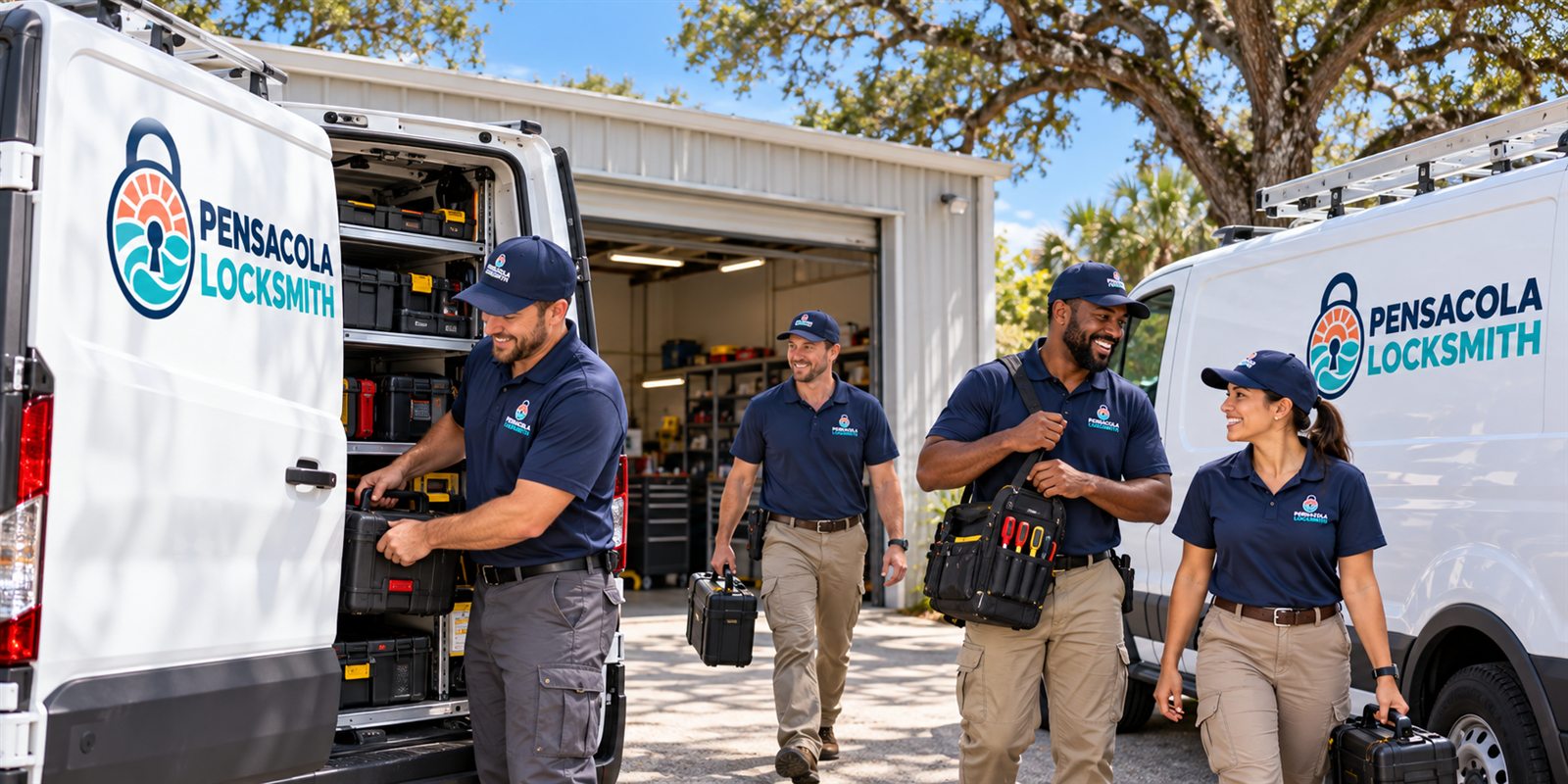
Garage entry doors, patio sliders and the side doors people forget
When people think about securing a new house, they picture the front door. In practice, the doors that matter just as much are the garage entry, the back door and the patio slider. The garage entry is often a lightly built door with a basic knob lock, used so often that its hardware wears quickly. A technician can usually improve it by adding a deadbolt and making sure the strike is firmly anchored.
Sliding patio doors have their own weak points. The built-in latch is often a simple hook that can be lifted or jarred loose, and the track can become dirty or bent. Options include a secondary lock, a bar that rests in the track, or a pin that locks the panel in place. Which of these suits you depends on how often you open the slider and whether children or pets use it.
Don't overlook interior doors that act as security, such as a door between the garage and the kitchen or a home office with valuable equipment. A simple privacy lock does not stop a determined person, but a solid door with a proper deadbolt does add real separation. Walking through each exterior and sensitive door with a technician, one at a time, is a practical way to build a sensible plan without overspending.
Garage entry doors also deserve a look at their closers and weatherstripping. A door that does not close fully on its own is a recurring invitation for it to be left unlatched. Adjusting the closer, or adding one if there is none, helps the lock do its job. These details are easy to overlook, but they matter day after day when a household comes and goes through that door many times.
Smart locks and keypads: when they help
Many new homeowners ask about smart locks, and they can be a good fit for busy households. A keypad or app-controlled deadbolt removes the need to carry a key for every family member, lets you give a temporary code to a visitor, and can lock automatically at night. The tradeoff is that they depend on batteries and, for some models, a stable wireless connection, so they need a little upkeep that a plain key lock does not.
A technician can help choose a model that fits your existing door, since not every lock fits every preparation. Door thickness, bore size, and the position of the latch all matter. Some smart locks replace the whole deadbolt, while others only replace the thumb turn on the inside and keep your existing key cylinder. The second type is easier to live with if you want to keep your keys working as before.
Set-up matters as much as the hardware. Codes should be unique to each person, and you should know how to delete one when somebody no longer needs access. Keep a physical key somewhere safe as a backup, because batteries do run low and you do not want to be locked out of a brand new house. Ask the technician to demonstrate the override and battery change before they leave.
Think about what happens when the power or network drops. Most good smart locks keep working on battery and store codes locally, but it is worth asking before you buy. A technician can explain what happens when batteries die, how warning signals work, and whether a mechanical key is still available. Choosing a lock that fails gracefully is more important than choosing one with the longest feature list.
Keys for a busy household
Families in growing neighborhoods often have several drivers, multiple school schedules and a rotation of people who need to get in and out. A good key plan reduces stress. That might mean all exterior doors keyed alike so one key opens everything, a few extra copies cut from the new key, and a clear rule about where spares are kept. A single key on every ring is simpler than five keys on each.
When ordering copies, quality matters. A duplicate cut from a worn key inherits the wear, and over a few generations the copy stops working smoothly. Having the technician cut copies from the freshly rekeyed original, or from the cylinder code where available, keeps them accurate. Always test each copy in the lock before the technician leaves, not days later when you are already late for work.
For teenagers and temporary guests, think about whether a physical key is the right tool. Handing a house key to someone you are not sure about is a decision that is hard to undo without a rekey. A keypad code you can delete is an easier arrangement for short-term access. If your household uses lockboxes for visiting family, keep the code changed regularly and not shared widely.
Moving in: a checklist before the boxes arrive
The best time to deal with locks is before your belongings fill the house. With rooms empty, the technician can work freely, test every door, and walk through the property without moving furniture. Doing this at the start also means you will not discover a stuck back door in the middle of the first week, when you are least able to cope with it.
A simple order of events works well: confirm the closing, schedule the locksmith visit, rekey or replace exterior locks, check garage and sliding doors, and then collect your new keys. Take a moment to label them. Many people end up with identical-looking keys and waste time trying each one in the dark, so a small tag or colored cap on each key saves frustration for years.
Don't forget the other things that open: the garage door opener, mailbox, storage closet, fence gate and any shed or outbuilding. Previous owners may have left padlocks with unknown keys, and a technician can open or replace those where you can show the property is yours. It is a modest step, and it closes the loop so that nothing on the property remains accessible to a stranger.
Keep the original paperwork that came with the house, including any key tags or code cards left by the builder. Some builders use master key systems or specific cylinders, and that information can shorten the work. If you cannot find any, do not worry, since a technician can work from the locks themselves. Store whatever you do have with your closing documents, where you will find it in a year.
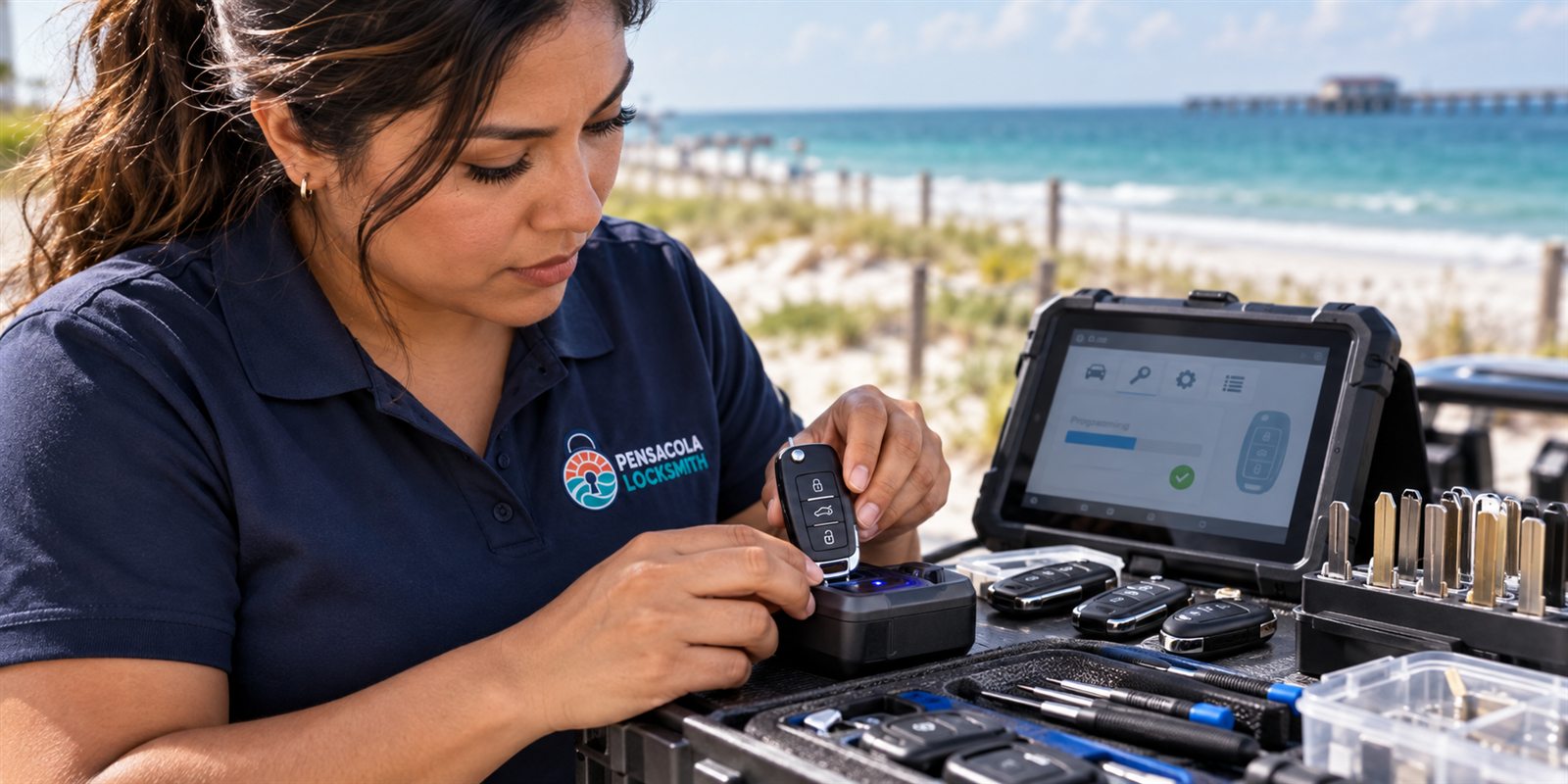
Dealing with lockouts in a new house
Lockouts happen more often in the early weeks. New locks have unfamiliar action, keys are not yet memorized, and doors that latch automatically catch people out. A new homeowner who steps outside to take out the trash can find the door has locked behind them. Keeping a spare key somewhere safe, such as with a trusted neighbor, is the easiest protection.
If it does happen, call us, describe the door and the lock, and be ready to show you live there. In most cases a technician can open a residential door without damaging it. Before anything is opened, they will confirm your authority at the property, which might mean showing identification or a document tied to the address. In a new neighborhood where people may not know each other, that step has real value.
Afterward, think about why it happened. If an auto-latching knob keeps trapping people, replacing it with a deadbolt that requires a key to lock may fit better. If the problem is a lost key, a rekey is worth considering so the missing key cannot be used. Please call to confirm availability for your area, since we cannot promise a particular time of arrival.
Weather, humidity and new-build settling
The Florida panhandle climate is warm and damp for much of the year, and new houses are built with materials that react to moisture. Wood door slabs swell, frames shift slightly, and caulk cracks. Locks that fit perfectly when the house was finished may begin to feel tight or loose after the first summer. That is normal behavior, not a defect, and a technician can usually fix it with small adjustments.
Hurricane season adds another consideration. High winds put heavy load on doors, so firm hinges, a deadbolt that reaches fully into a well-anchored strike and a solid frame are practical parts of preparing a home. Long screws in the hinges and the strike plate give the door something strong to hold on to. These are inexpensive improvements that make a real difference to how the door behaves under stress.
Finally, protect your hardware. A little dry lubricant in the keyway once or twice a year keeps pins moving, and wiping down exterior hardware removes salt and grime. If a finish begins to flake or discolor, take it as a sign to look closer, since corrosion often starts at the surface and creeps inward. Early attention is much simpler than replacing a worn lock after it fails.
Working with a locksmith on a growing street
In a neighborhood that is still filling in, some homes are finished while others next door are still under construction. Contractors and trades may have had keys or lockbox codes to your house during the build. Asking the builder for a list of who held access, and rekeying after handover, is sensible and routine. It does not suggest distrust, only tidy ownership of your own home.
When you call, expect to describe the job and receive a quote by phone before anyone is dispatched. If something about your house looks unusual, such as a custom door or a lock you cannot identify, a technician may need to visit to look at it, and the service call charge will be explained before that dispatch. Having a clear picture of what you are agreeing to is part of doing this fairly.
Treat your locksmith as a resource for questions you do not know to ask. Which doors need the most attention, how often to service smart locks, what to do before leaving for vacation: a good technician will answer plainly. And once your home is set up the way you want, keep a note of what was done and when, so the next time something changes you have the information ready.
Common questions
Should I rekey right after buying a home in Pace?
Most people do. You cannot know how many copies of the old keys exist, and rekeying makes all of them useless while keeping your existing hardware. It is usually done soon after closing. The technician will confirm that you own the property or act for the owner before starting any work.
Can you upgrade the locks that came with a new build?
Yes. Builder hardware is often the lightest-duty option, so owners commonly upgrade deadbolts, strike plates and garage entry locks. The technician looks at how each door is hung and used, then recommends changes that fit, which may be as simple as longer strike screws.
Do smart locks work on any door?
Not always. Door thickness, bore size and the position of the latch all affect fit. A technician can check your door and suggest models that suit it, and can show you how to set codes, change batteries and use the physical key override so you are never stuck outside.
What if I have a lockout in my new house?
Call us, describe the door and lock, and be ready to show you live there. In many cases a residential door can be opened without damage. We cannot promise any arrival time, so please call to confirm availability for your area.
How do I get a price for a job?
Quotes are given by phone once you describe the work. If the job is complicated, a technician visits to assess it first, and the service call charge is explained before dispatch. That way you know what to expect before you decide to proceed.