
Content note: this page was written by Claude (AI) for Pensacola Locksmith.
What the two designs actually are
A single cylinder deadbolt has a keyhole on the outside and a thumb turn on the inside. Anyone inside can lock or unlock it by hand, with no key. This is the most common type on exterior doors. It is simple, quick to use, and it lets people leave in a hurry without searching for anything.
A double cylinder deadbolt has a keyhole on both sides. From the inside, it needs a key to lock and unlock. This means that no one can open the door from inside without the key, even if they break a nearby window and reach through. That is the main reason people choose it: to defeat a thief who breaks glass to reach the lock.
Both types throw the same kind of bolt into the door frame. The difference lies only in how the inside is operated. Everything else about quality, such as the grade of the lock, the length of the bolt and the strength of the strike plate, applies equally. The choice is about inside access, not about the strength of the bolt itself.
The security case for a double cylinder
The argument is simple. If a door has glass in it, or sits beside a window or sidelight, a determined intruder can break the glass and turn a thumb turn from outside. A keyed inside cylinder takes that opportunity away, because reaching in does nothing without a key. For doors with large glass panels, that is a real consideration.
It also matters for doors that open to the outside, where the lock is partly exposed, or for properties where windows are close to the lock. Some businesses and some older homes with glass paneled doors have this configuration. In these places, the double cylinder reduces one specific risk that a single cylinder cannot.
However, this advantage is narrow. It applies only when glass or other thin material is close enough to the lock for someone to reach through. A solid door with no glass nearby gains nothing from the design. Many break-ins happen by kicking the door or prying the frame, which the cylinder type does not affect. Do not buy it as a cure-all.
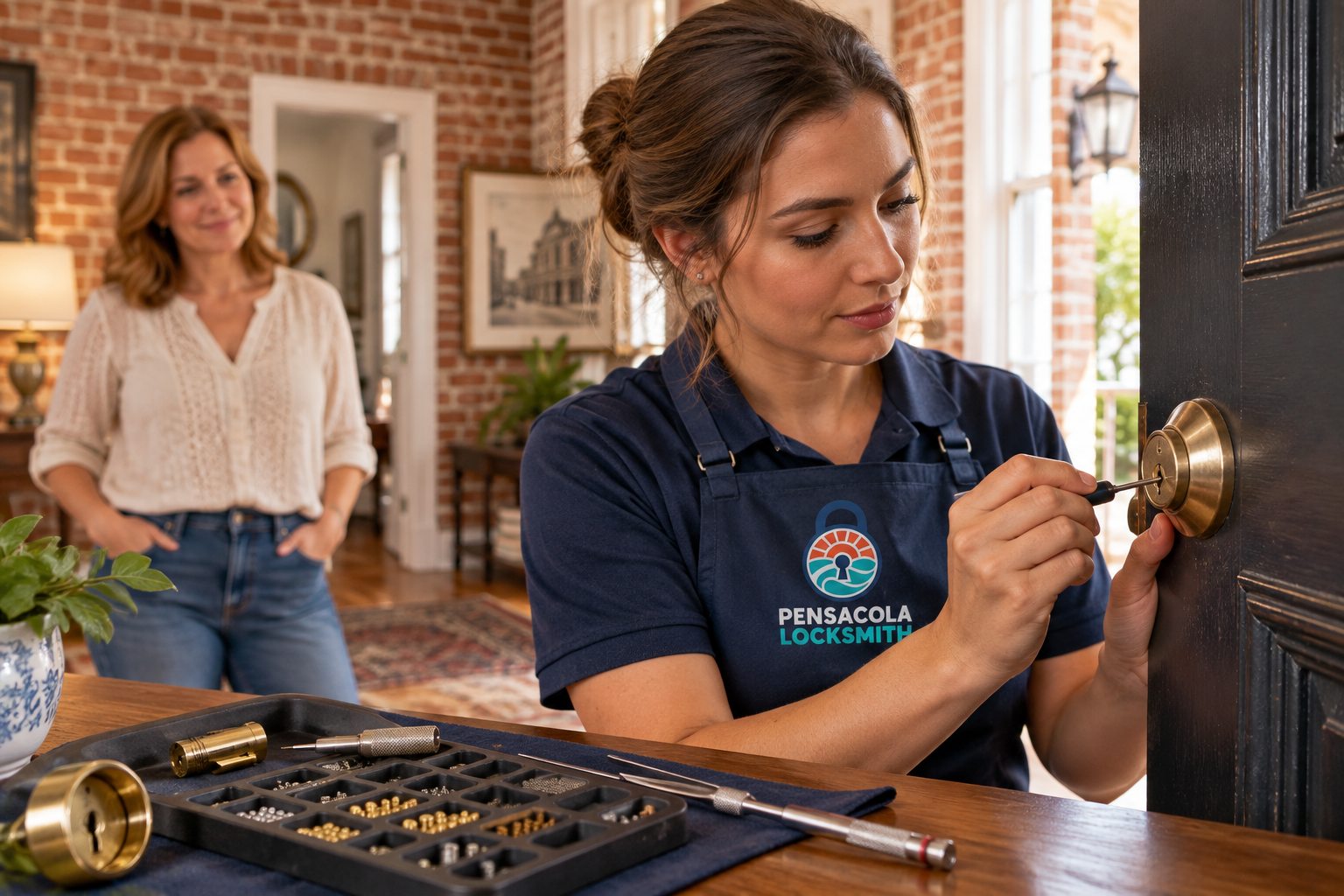
The safety case against a double cylinder
The risk is equally simple. In a fire, smoke, panic and darkness make finding a key hard. If the door is locked with a key and the key is not in the lock, escape slows at the worst moment. Fire safety professionals often warn against keyed inside cylinders on exits for this reason. People have been trapped by doors they could not unlock quickly.
The danger extends beyond fires. Medical emergencies, floods, storms and other events can require fast exits or rapid entry by responders. If paramedics need to reach someone inside, a door that requires a key from inside can delay them too. Hurricane season is a reminder that emergencies in the Gulf Coast can come with little notice.
Many codes and rules restrict double cylinder locks on certain doors, especially in homes and businesses where the door serves as an exit. Requirements differ by place and by building type. Before installing one, check local requirements and, if you rent, your lease and any fire safety rules. A responsible locksmith can tell you what applies, and will not install hardware that creates an unsafe exit.
Local rules, rentals and insurance
Because of the safety issues, rules about keyed inside deadbolts vary. Some places prohibit them on exit doors in certain buildings, some allow them with conditions, and some leave the choice to the owner. Rental properties and commercial buildings are more likely to have rules than a private owner occupied home. The correct answer depends on the building and its use.
If you rent, do not swap locks without checking your lease. Landlords have responsibilities for safe exits and may not allow a keyed inside deadbolt. If you own the property, check with the local building or fire authorities, or ask a locksmith familiar with the area. Insurance requirements may also play a part, and the policy may say something about locks.
Whichever lock you install, the locksmith will ask to confirm that you own the property or have authority to change the hardware. This is routine and protects occupants. Keep this in mind if you are managing a property for someone else: bring a letter or authorization so the work can proceed without delay.
If you use a double cylinder, how to do it safely
If your situation truly calls for a double cylinder, the key practice is to make sure the key is always accessible to everyone inside the house. Many safety guidelines recommend leaving the key in the inside cylinder whenever someone is at home and removing it only when leaving. This restores quick exit while still giving protection when the house is empty, or when you are away.
Some people hang the key on a hook near the door, but a hook near a glass panel defeats the purpose, because a burglar who breaks the glass can reach the key. Place it where it is reachable for the household but not visible or within reach from outside. The balance is tricky, and that is part of why many people avoid the design.
Make sure every adult and older child knows where the key is and practices using it. Teach guests where to find it. Consider a second key kept in a known place elsewhere in the house. Never lock the door with the key removed while people are asleep. These habits make a double cylinder workable, but they need discipline to maintain.
- Leave the key in the inside cylinder whenever people are home
- Never hang the key within reach of the glass
- Make sure every adult knows where the key is
- Practice exiting in the dark
Alternatives that solve the glass problem
If the concern is a thief reaching through broken glass, there are ways to keep the quick exit of a thumb turn. One is to replace or reinforce the glass. Laminated glass or a security film holds together when struck, making it harder to break through. Another is to cover the glass with a decorative grille or a panel on the inside.
Another option is to move the lock out of reach. Glass that is farther from the lock gives a thief less access. Sometimes it is possible to change the door to a solid one or to replace the sidelight with a stronger material. A technician can look at the layout and suggest the most practical change.
Some locks offer a thumb turn that is recessed or shaped so it is hard to turn through a small hole but easy to turn by hand. Others use a removable thumb turn or a lock that disables the outside key while someone is home. Every option has tradeoffs, so discuss your door with a professional. We can recommend a setup that suits it.
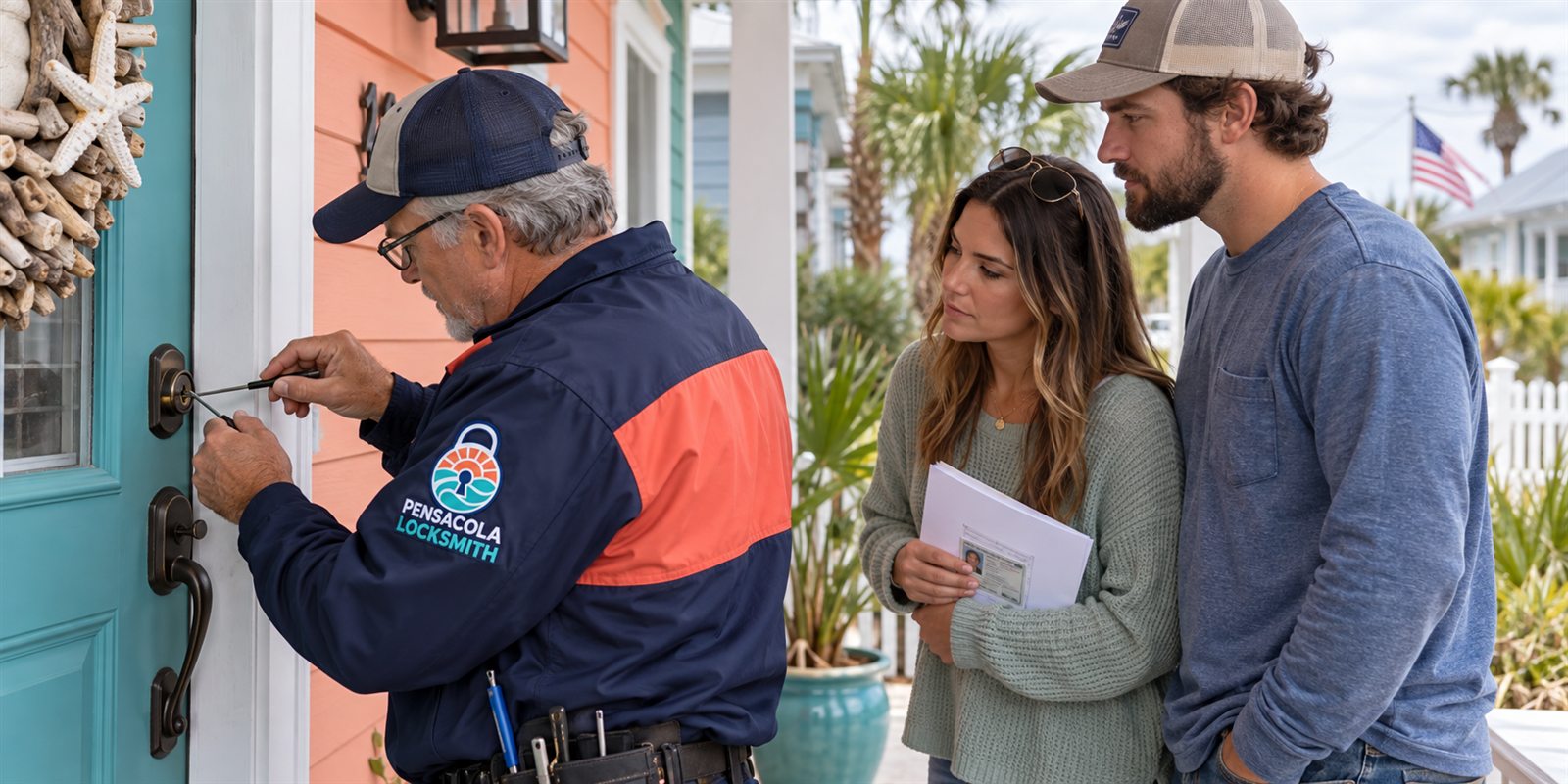
What matters more than the cylinder type
The best deadbolt in the world fails if the door and frame are weak. Most forced entries are kicks that split the frame around the strike plate. A strike plate secured with long screws that reach the wall stud makes a large difference. A reinforced strike box, a solid core door and sturdy hinges matter more than whether the inside has a key or a thumb turn.
The bolt itself also matters. A bolt that extends at least an inch into the frame resists force better than a short one. Quality of the lock body affects resistance to picking, drilling and bumping. Look for a lock with a sturdy construction and a hardened bolt, and ask a locksmith about the grade of the hardware.
Finally, habit matters. A deadbolt does nothing if it is not thrown. Lock the door every time, even when you are home, and even for a short errand. Keep windows secure, trim shrubs near doors, and use lighting. The cylinder debate is real, but it sits within a broader picture of doors, frames and habits.
Matching the lock to each door
For a main entry door that is solid, with no glass nearby, a single cylinder deadbolt is the usual and sensible choice. It gives fast exit without a key, and the glass risk does not apply. For a back door that is solid, the same logic holds. These are the doors you need to be able to leave quickly, and the thumb turn serves you.
For a door with large glass panels, compare options. Reinforce the glass or move the lock if you can. If you choose a double cylinder, follow the safe practices above and check local rules. For a closet, a storage room or an interior door that is not an exit, a keyed inside lock can be perfectly appropriate, since fire exit is not at issue.
For a business, the answer depends on use and regulation. Exit doors for customers or staff often must open without a key from inside. A locksmith familiar with local requirements can help choose hardware that is secure and compliant. Call us to talk through your doors. We confirm ownership or authority before work and explain the options plainly.
Installation and upkeep
Whichever type you choose, installation quality counts. The lock should sit square in the door, the bolt should slide freely into the strike, and the key should turn smoothly. If the bolt rubs, the door may have shifted. In Pensacola's humid climate, doors swell and shrink, so alignment changes through the year. A small adjustment prevents strain on the lock.
Lubricate the mechanism sparingly with a product made for locks. Avoid heavy oils that attract dust and grit. Salt air can corrode exterior cylinders, so look for corrosion resistant finishes, and replace a lock that is rough or sticky before it fails. Check the screws on the strike and the lock periodically and tighten any that have loosened.
Quotes are given by phone. If a job is complicated, a technician visits and the service call charge is explained before dispatch. Call to confirm availability. We will ask about the door, whether it has glass, who lives or works there and how it is used, and we will recommend the safest option, even if that is simply keeping what you have and strengthening the frame.
Real situations and how the choice plays out
Picture a house with a front door that has a narrow glass panel beside the lock. The owner worries about a thief breaking the pane. A double cylinder looks attractive, but on the night a smoke alarm goes off at two in the morning, the family needs to leave in seconds with a toddler in arms. A better answer might be laminated glass in the sidelight, and a thumb turn the family can use half asleep.
Now picture a small office with a glass storefront door that is locked at night and always unoccupied. No one sleeps there, so the fire exit concern is lower after hours, though local rules during business hours still apply. A keyed inside cylinder may be reasonable in that setting, as long as the door can be opened from inside without a key while the business is open.
Finally, picture a rental near the beach that hosts guests who do not know the house. A keyed inside deadbolt would be a poor choice, since visitors cannot be expected to find a key in an emergency. A single cylinder with a clear thumb turn, plus solid frame reinforcement, serves guests and owner alike. The right choice always depends on who uses the door and when.
These examples show why a blanket rule rarely works. Think about the people, the building, the glass, the hours of use and the local requirements. A short conversation with a locksmith who asks about those details is usually enough to reach a sound decision, and it often turns up an easy improvement elsewhere, such as the strike plate or a window latch.
Emergency access for responders and for you
Think about how someone would get in if you could not open the door yourself. If you live alone, are elderly, or have a health condition, responders may need quick access. A door that opens from inside with a thumb turn helps them only if you can reach it. A lockbox, a trusted neighbor with a key, or a smart lock with remote access can provide a way in without weakening the door.
A double cylinder complicates this, because the key may be in your pocket in another room. If you choose that design, keep a spare key in an agreed location for family or caregivers. Let the people who might need to help know where it is. Consider whether the household has anyone who would struggle to find or use a key in a hurry.
Hurricane season adds its own scenarios. If you evacuate, you will lock the door behind you and carry the key. If you shelter in place and flooding or fire becomes a risk, you must be able to leave. A hurricane plan should include a check of every exit and every lock. Walk through it once, with the key and without it, to see how each door behaves.
In short, plan for the worst day, not the average one. Ask whether every person in the home could leave through every exit with no light, no help and no key. If the answer is yes, the setup is sound. If not, adjust before you need to. A locksmith can help make those adjustments without lowering the security of the door.
Common questions
Is a double cylinder deadbolt safe for a home?
It can be risky because a key is needed to leave. In a fire or other emergency, that can cost time. If you use one, keep the key in the inside cylinder whenever someone is home and check local rules, especially for rentals.
Which is better for a door with glass?
It depends. A double cylinder stops someone from reaching through broken glass to turn a thumb turn, but it slows exit. Reinforced glass, security film or moving the lock may solve the problem without that downside. A technician can look at your door.
Does a double cylinder make my door harder to kick in?
No. The cylinder type affects only how the inside is operated. Resistance to kicking depends on the bolt length, the strike plate, the screws and the frame. Reinforcing those is usually more effective.
Can I change my own deadbolt from double to single?
Often yes, if the hardware is a standard size, but a poor fit can leave the lock misaligned. A locksmith can swap it and check the door and strike. If you rent, check your lease first, and expect an ownership or authority check.
What do you recommend for most homes?
For most solid exterior doors, a good single cylinder deadbolt with a reinforced strike plate and long screws. It allows fast exit and strong security. Call us to discuss doors with glass or special situations.