
Content note: this page was written by Claude (AI) for Pensacola Locksmith.
Why the answer is rarely a simple yes or no
Insurance policies are contracts, and each one defines what it covers, what it excludes and what you must do to make a claim. Two neighbors with similar homes can have very different outcomes because their policies read differently, carry different limits and apply different deductibles. That is why a general statement like locksmith work is covered or not covered cannot be trusted without checking the actual document.
The cause of the problem also matters. A lock damaged during a burglary is a different situation from a lock that simply wore out, and both differ from being locked out because a key was left inside. Insurers tend to respond to sudden, accidental events that result in damage or loss. They generally do not pay for ordinary wear, routine maintenance or lockouts caused by simple mistakes, although some policies include optional extras that touch on these.
Finally, the type of policy changes everything. Homeowners and renters coverage, auto coverage, business coverage and separate roadside programs each handle locks and keys in their own ways. Before assuming anything, identify which policy would apply to your situation and read the section that deals with it, or call the company and ask directly.
Home and renters policies after a break-in
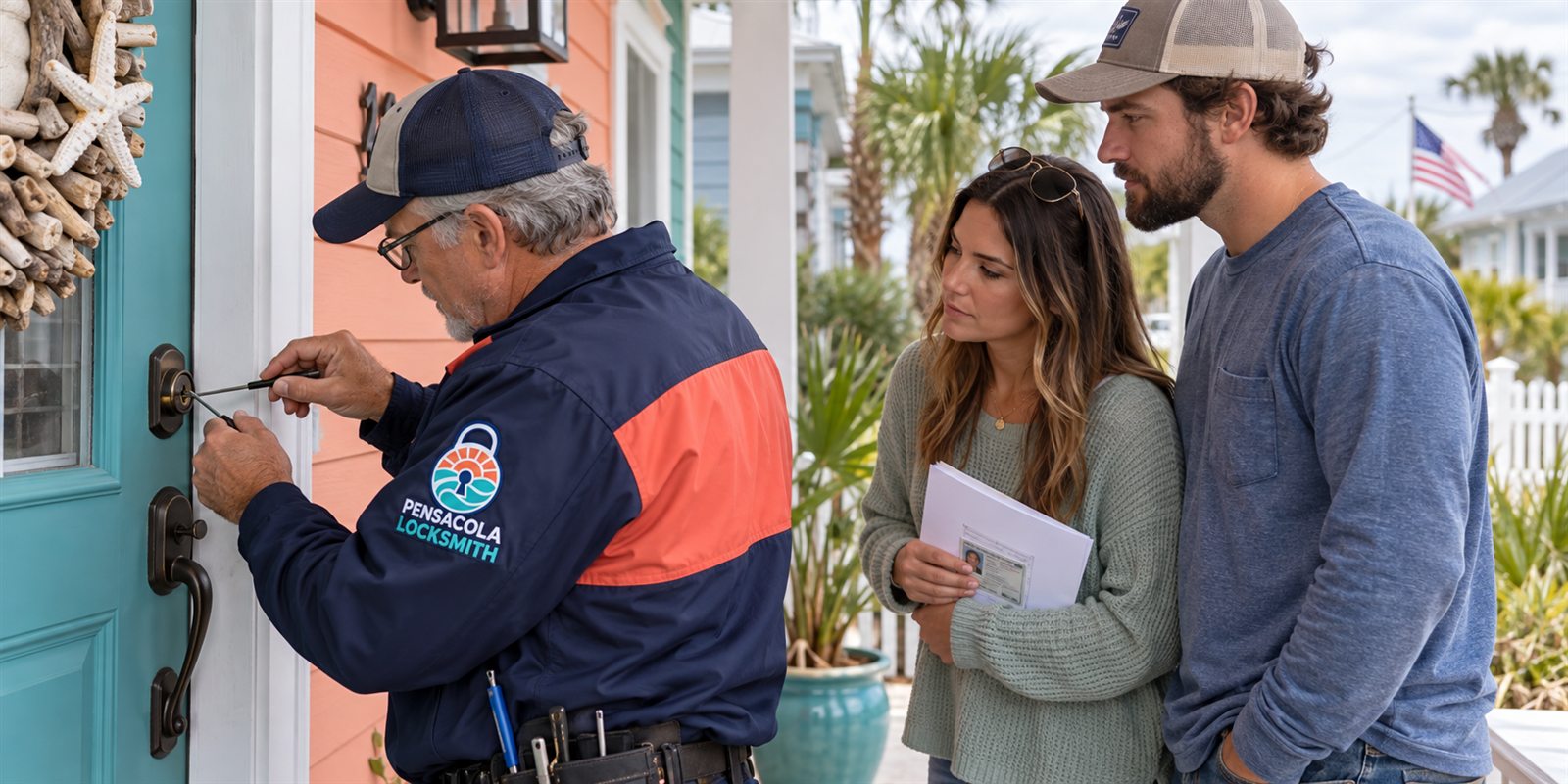
The most common case where insurance and locks meet is after a burglary or attempted burglary. If a door, frame or lock was damaged during the event, the cost of repairing or replacing them may fall under the property damage part of a home or renters policy. The security of the home must be restored quickly, so many people arrange for a locksmith to make the entry secure right away and then submit the expenses later.
If keys or a wallet with house keys were stolen, some policies treat the cost of rekeying or replacing locks as part of the loss, while others do not mention it clearly. It is worth asking whether rekeying after stolen keys is covered, and under what conditions. Even when it is covered, a deductible may mean that the amount you would be reimbursed is small, or nothing at all.
Keep your own records. Photograph the damage before repairs, keep every receipt, and write down the date and the steps you took. If there is a police report, note the report number. A locksmith can describe the work done in plain language on the invoice, which helps when you submit paperwork. The locksmith does not decide what your insurer will pay, and you should not assume approval until the insurer confirms it.
Auto insurance and car key problems
Car keys are expensive to replace because many include electronic components and must be programmed to the vehicle. Some auto policies include limited coverage for key replacement as part of comprehensive coverage when a key is stolen along with the vehicle or lost under certain circumstances. Others exclude keys unless the entire vehicle is stolen, and many have no key coverage at all.
Optional add-ons exist for some vehicles and some plans, such as key replacement riders. If you have one, it will state what is covered, what the limit is and whether you must use a particular provider. Read the terms for any conditions, such as proof of ownership, a police report or a time frame for reporting the loss.
Lockouts are a separate matter. Being locked out of your own car because the keys are inside is usually not a covered loss under a standard policy, though some insurers sell roadside add-ons that cover lockout help. Check whether you have such an add-on before you call anyone, because it could change who you contact first. Whoever you use, the technician will verify that you own or are authorized to use the vehicle before opening it.
Business policies and commercial locks
Commercial property policies can respond to break-ins and vandalism, including damage to doors, locks and access hardware. They may also cover the cost of securing the premises after an event. A business owner should check whether the policy requires certain security measures as a condition of coverage, such as particular lock types or alarm systems.
Some business insurers ask about locks, doors and access control when writing a policy or renewing it. If your hardware does not meet their expectations, they may require upgrades or adjust the terms. It is useful to ask the insurer in advance what they look for, and to check with a locksmith whether the hardware you plan to install suits those expectations.
If an employee leaves and keys are not returned, rekeying is normally an operating cost rather than an insured loss, unless a theft or crime has occurred. For landlords, a tenant's lockout is typically handled under the lease and is not an insurance matter. Keep the ownership and authorization paperwork handy, since a locksmith confirms authority before rekeying or opening any commercial door.
Roadside and membership programs
Separate from insurance, many people have roadside assistance through a vehicle maker, a credit card, a membership group or an insurer add-on. These programs often include lockout service, with limits on how many times you can use it, and sometimes on the type of help provided. They may route you to a contracted provider rather than letting you pick one.
Using a program has benefits, such as predictable handling and no payment up front in many cases. It also has limits: scheduling depends on the provider network, the service may not extend to key programming or lock repair, and some situations are excluded. If you need a replacement key made or a damaged lock repaired, you might still need a locksmith directly.
Our separate guide on roadside assistance and locksmiths covers this comparison in more detail. For this topic, the key point is to check what you already have before paying out of pocket. A few minutes reading a card, a membership page or an app can save you from paying for something you were already entitled to.
What to ask your insurer
A short list of questions gets you most of the way. Is the cost of emergency lock repair or replacement covered after a break-in? Is rekeying covered if keys were stolen? What is the deductible, and does the loss exceed it? Is there a time limit for reporting? Do you need to use a specific provider or can you choose your own?
For vehicles, ask whether key replacement is covered, whether programming is included, and whether a police report is required. Ask whether lockout service is included anywhere in your coverage or in a roadside add-on. Ask what proof of ownership the insurer will want to see.
Write down the name of the person you speak to, the date and what they said. If the answer is unclear, ask for it in writing or ask where the policy language appears. Insurers sometimes give general guidance by phone that depends on the final claim review, so documentation protects you. Do not delay securing your home or vehicle while you wait, because an unsecured property is its own risk.
Documenting the work for a claim
Good records make claims smoother. Before any repair, take clear photographs of the damage from several angles, including the lock, the door edge, the frame and any broken glass. Note the date and time. If you can safely do so, keep damaged parts until the insurer says they are no longer needed.
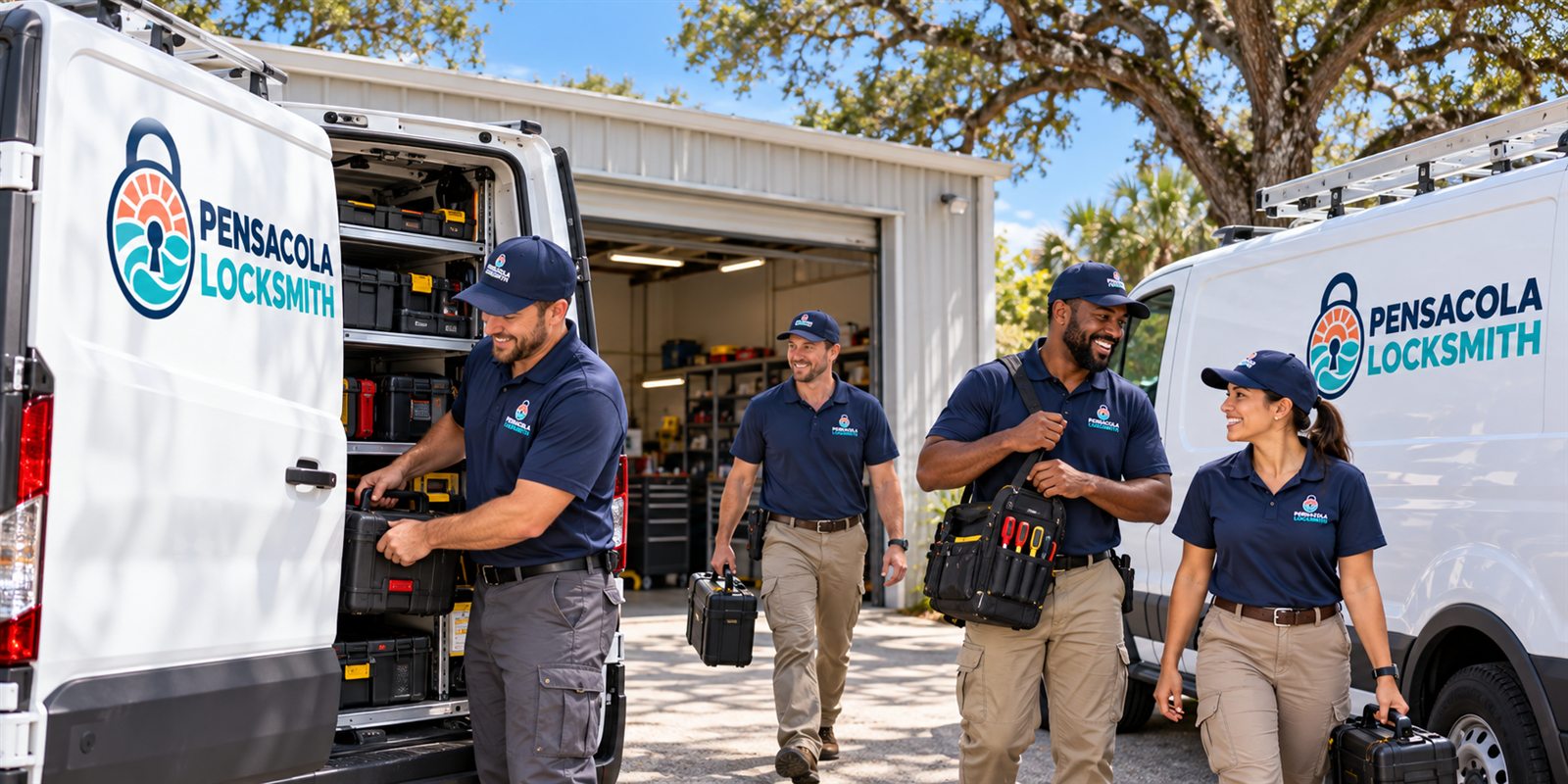
Ask the locksmith for an itemized description of the work. It should say what was found, what was done, which parts were installed and the date. Quotes are given by phone for straightforward jobs, and where a visit is needed the service call charge is explained before dispatch, so the paperwork you receive reflects what was agreed.
Keep everything in one folder, paper or digital. Include the police report number if there is one, receipts, photographs and notes of your calls with the insurer. The claim process can take time, and having your documents in order lets you respond quickly when the insurer asks questions.
Situations where insurance usually does not apply
Ordinary lockouts, such as leaving keys inside or losing a key with no theft involved, are generally not claims. Neither is routine rekeying after a move, a change of tenants or a breakup. These are maintenance and convenience matters, and they are usually paid by the owner or resident.
Worn out locks, stiff cylinders and failed hardware are also normally outside what an insurer pays for, since the cause is age and use rather than a sudden event. In a humid, salty climate like the Gulf Coast, corrosion can speed up wear, but that is still wear, not a covered accident in most policies.
Upgrades are typically your own cost too. If you decide to install a better deadbolt, add a reinforced strike plate or switch to a smart lock, the insurer usually does not reimburse it, though some companies offer premium reductions for certain security features. It is worth asking whether a reduction exists for particular improvements, then deciding based on what you learn.
Storm season and lock damage on the Gulf Coast
Hurricane season gives Pensacola residents a particular reason to understand their policies. Wind, falling limbs and flooding can damage doors, frames and locks, and a storm may force entry into a building even when no one meant to break in. In many policies, storm damage to the structure falls under property coverage, though wind, water and flood are often handled under separate terms and limits.
After a storm, doors can swell, frames can warp and hardware can corrode quickly in damp conditions. A lock that no longer works because a door shifted is a different situation from one smashed by debris. Take photographs of any visible damage, and describe the condition of the door and lock to the insurer as plainly as you can.
If a door cannot be secured after a storm, a temporary measure to protect the building is sensible and is generally what insurers expect a careful owner to do. Keep receipts for those steps. Many policies ask you to take reasonable action to prevent further loss, and documentation shows that you did.
A technician can assess whether a swollen door needs adjustment, whether a lock can be cleaned and saved, or whether replacement is more sensible. The locksmith confirms your ownership or authority before working, and any larger job begins with a visit, with the service call charge explained before dispatch.
Rentals, landlords and tenants
Insurance responsibilities split in particular ways for rented homes. The landlord's policy generally covers the building, which includes doors and locks, while a tenant's renters policy covers personal belongings and sometimes liability. If a break-in damages a door, the landlord is normally the one to claim. If belongings are stolen, the tenant claims on their own policy.
Rekeying between tenants is normally handled by the landlord as part of turning over the unit, and it is not an insured event. Many leases state who pays for lockouts and lost keys. Read your lease, and if it is silent, ask the landlord before calling a locksmith so no one is surprised later.
Tenants should not change locks without the landlord's approval, and a locksmith will ask for proof of authority before doing the work. Landlords who manage several units should keep clear records of who has keys and when locks were last changed. Those records can help if a claim arises and the insurer asks about security at the property.
For vacation rentals, which are common near the beaches, the policy type matters. Standard homeowners coverage may not apply to a property rented to guests, and a specialized policy may be required. Check with your insurer before assuming that a break-in or key loss at a rental would be handled as it would at your own home.
Locksmith charges explained without surprises
Understanding how a locksmith charges helps you compare it to what an insurer might reimburse. Straightforward jobs, such as rekeying a lock or replacing a standard deadbolt, are quoted by phone after you describe the lock and the situation. For work that is complicated or unclear, a technician visits first, and the service call charge is explained before anyone is dispatched.
That order of events matters if you plan to submit a claim. The insurer may ask what was done and why, and a clear explanation from the start supports your case. Ask the locksmith to put the main points on the invoice: the problem found, the work performed and the parts used. Do not sign anything blank or accept vague descriptions.
If your insurer has a preferred process, such as pre-approval for repairs above a certain level, ask about it before work begins, unless the property cannot be left unsecured. Securing the home or business comes first, and any further work can wait for the insurer's guidance. Call us with your situation and we will tell you what we can do and when we can arrange it, subject to confirming availability.
What to do right now if something has happened
If you have had a break-in, your first concern is safety. Make sure no one is in danger, contact the police, and avoid disturbing the scene more than needed. Once it is safe, secure the entry. A temporary fix such as a re-secured door or a replaced lock keeps the property protected until permanent repairs are made.
Call your insurer to open a claim and ask what they require. Then call us to describe the damage and arrange a visit. A technician can assess the lock, door and frame and tell you what is needed. Before working on a home or business, the locksmith checks that you own it or have authority to make changes.
Keep your expectations grounded. The locksmith can repair or replace the hardware and describe the work in plain terms, but the insurer decides what it pays. Please call to confirm availability for your area and your day, and have your questions and documents ready.
Common questions
Will my homeowners insurance pay for a locksmith after a break-in?
It may, if the damage was caused by a covered event such as burglary and the cost exceeds your deductible. Policies differ, so check the property damage section or ask your insurer. Keep photographs and receipts, and note any police report number for the claim.
Is a lockout covered by insurance?
Usually not under a standard home or auto policy, since a simple lockout is not a sudden damage event. Some roadside or membership add-ons include lockout help, so check what you have before paying out of pocket.
Does auto insurance cover lost car keys?
Sometimes. Certain comprehensive coverages or key replacement add-ons cover stolen or lost keys, while many policies exclude them. Read your terms or call your insurer, and ask about programming and proof requirements before arranging replacement.
Can the locksmith bill my insurance directly?
Do not assume so. Most locksmith work is paid by the customer, who may then seek reimbursement from the insurer. The locksmith can provide a clear description of the work for your records. Call us to talk through how payment and paperwork would work.
Do I need a police report for lock replacement after a theft?
Often insurers ask for one when theft is involved, especially for stolen keys or forced entry. Check your policy and ask what documents the insurer requires. A report number helps the claim, and it is wise to get it before repairs when possible.