
Content note: this page was written by Claude (AI) for Pensacola Locksmith.
Where keys usually go missing on a trip
Keys disappear at predictable points. Security checkpoints are a classic, because pockets are emptied into bins and items are scooped up in a hurry. A key left in a tray, a coat pocket or a carry-on side pouch may not make it back to your hands. Restrooms, gate seating areas and shuttle seats are other common spots, along with the bottom of a bag packed in a rush.
Travel also changes your habits. At home, the key lives on a hook or in a particular pocket. On a trip, it may sit in a different bag, a hotel safe or a jacket you only wear in the cold. When you return, you are tired and your routine is off. It is easy to leave the key at a hotel, a relative's home or the departure city.
Long-term parking adds distance. If you realize the key is missing only when you reach the car, you may be far from where it was lost. Sorting out where to look takes patience. Start with the most likely places, work backward through your trip, and keep a calm mind. Most lost keys turn up in the last place you least expect.
Search methodically before you give up
Put your bags down in a safe spot and empty each pocket and compartment slowly. Check coat pockets, the inside zip pocket of your carry-on, the bottom of a backpack and the pockets of any clothing you wore on the flight. Ask any travel companions to search their bags too, since keys often end up in someone else's belongings.
Retrace your steps from the terminal. Think about when you last used the key: at the airport on departure, or at home before you left. If you drove and parked, you must have had the key then. Consider whether you handed it to a valet, left it in a hotel room or gave it to someone for safekeeping. Check text messages and photos for clues.
Contact the places you passed through. Airlines, security, the terminal's lost property office and shuttle operators all hold found items. Describe the key clearly, including any keychain, fob or tag, and give your contact details. Lost property offices are commonly busy, so be patient and polite, and ask how long they keep items and how they notify owners.
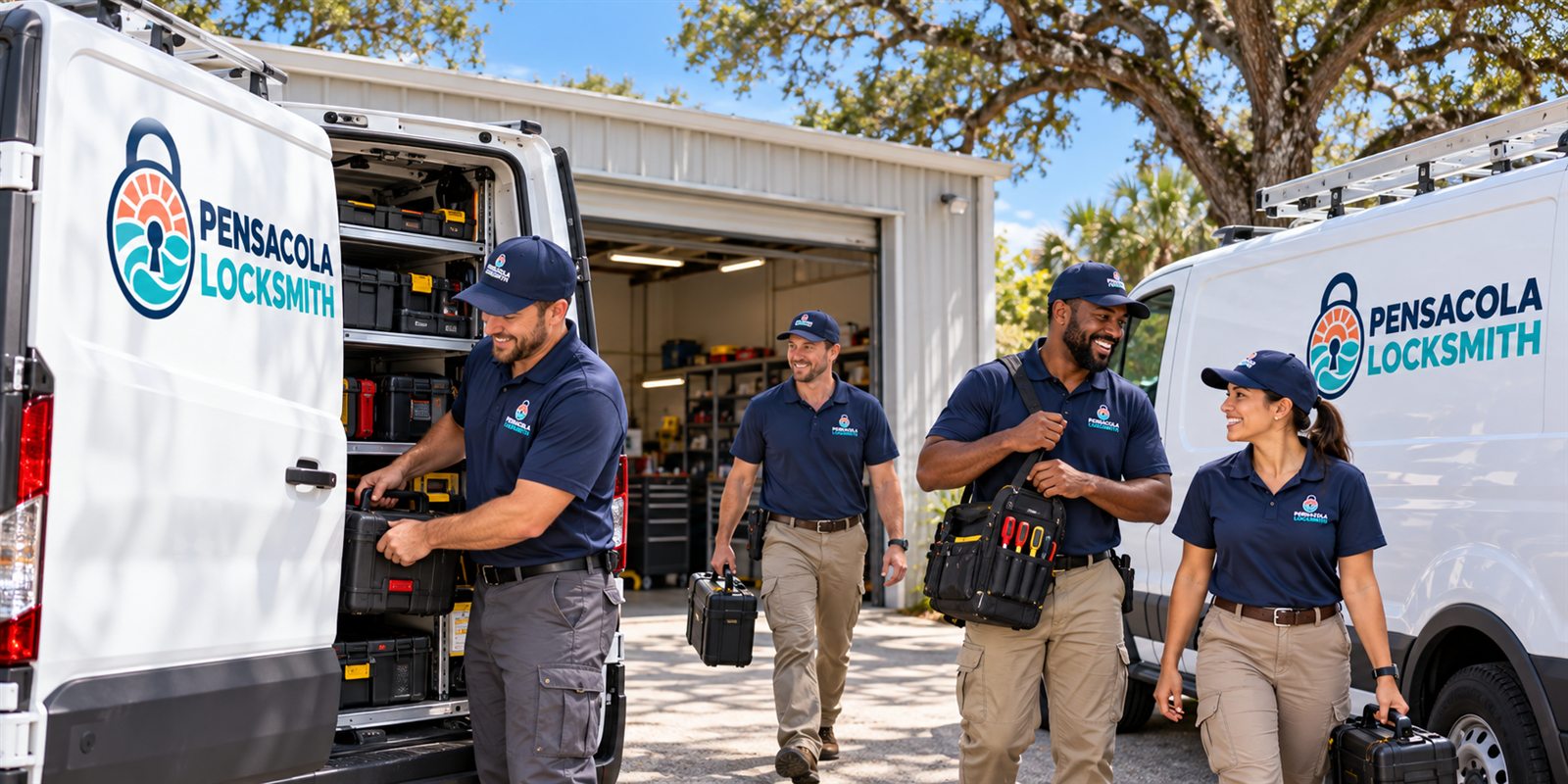
Getting the car open when the key is gone
If you have a spare key, ask someone to bring it, or consider a ride to fetch it. This is often the simplest option, even if it takes a while. A spare in a drawer at home is worth far more than a rushed decision at the airport. If you hid a spare in the car, be careful, because that is a poor habit and may not work now.
If the key is truly gone and the car is locked, a locksmith can usually open the vehicle without damage after confirming ownership. Be ready to show your photo ID and the registration, or photos of them on your phone. If the car is in a controlled lot, tell the staff what you plan and ask whether they have rules about outside service providers.
Opening the car is only one step. If the key itself is lost, you still need a way to start it. Modern cars with transponder chips and smart fobs will not start with just a cut key. Say so when you call so we can plan properly. We give quotes by phone, and for complicated jobs a technician visits and the service call charge is explained before dispatch.
Making a replacement key when none exists
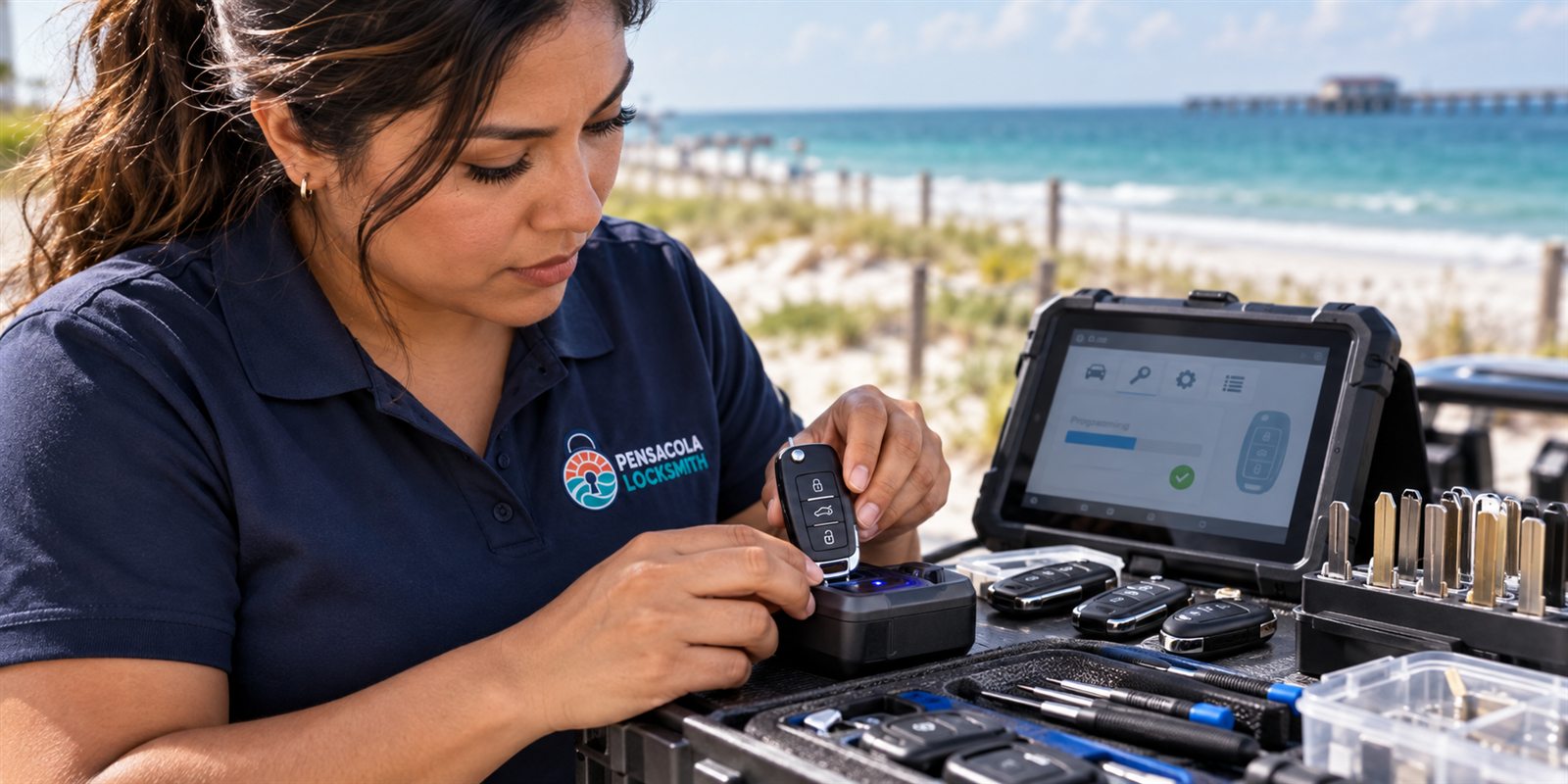
When every key is lost, a technician can make a new one. This is called originating a key, and it involves cutting a blade to the lock and programming the transponder or fob to the car. The process depends on the vehicle, and a locksmith needs the equipment and access to the right data for that car.
The technician confirms ownership first, since making a key gives access to the vehicle. Expect to show your ID and the registration, and be ready to match the vehicle identification number. The VIN is on the dashboard near the windshield or on a door jamb sticker. Photos of those on your phone help when the car is locked.
Some vehicles are easy and some are involved. Certain brands require special procedures or may only be handled by their dealers. A locksmith will tell you honestly whether the job is within their reach. Call us with the make, model and approximate year, and we will say what is possible and give a quote by phone. Please call to confirm availability.
Smart fobs, push-button start and battery issues
Not every key problem is a lost key. A fob that stops working after a long trip may have a dead battery, especially if it sat in a cold or hot environment. Before assuming the worst, try the mechanical key hidden in the fob and the backup start method. Hold the fob close to the start button or the marked spot and press the button, as your manual describes.
Fobs can also fail from moisture or impact. If you dropped yours on the way, or it went through the wash, the electronics may be damaged. A technician can test it and tell you whether a new battery, a repair or a replacement is needed. Sometimes a replacement fob must be programmed to the car, which takes equipment and time.
The car's own battery can also fall flat after sitting in a long-term lot. A dead battery looks like a key problem but is not. If the dash lights are dim and the locks do not respond, ask for a jump start or a battery check. Telling us what you see on the phone helps us decide whether a locksmith is the right call.
Valet, shuttle and off-site parking questions
If you used a valet, the key may be with the valet company. Check your claim ticket, and contact the desk, since the key could be in a lockbox. Do not assume it is lost. Many lost key stories end with a key sitting in an envelope for the wrong customer, or hanging on a board. Calm questions and the claim ticket usually settle it.
For a shuttle lot, the key may have fallen out on the shuttle bus. Contact the lot and ask whether anything has been turned in. Lots often keep a lost-and-found with a log, and staff may be able to check cameras or vehicle records. Provide your license plate, your arrival date and a clear description of the key and keychain.
If your car is in a secure lot with gates and staff, always let the staff know what you plan to do. They may have a process for lockouts or a policy about outside technicians. Being open with them avoids confusion and makes the visit smoother. A technician working on a car in a lot should also be able to show you the quote and the proof checks.
What to pack and carry to avoid the problem
A little preparation prevents most airport key trouble. Decide before the trip where the key will live during travel. Many people leave the car key at home with someone and arrange a pickup, which removes the risk of losing it. If you must carry it, attach it to a bag clip or a zipped inner pocket, and avoid loose pockets.
Consider a small key tag or an item tracker. A tracker can help find a key in a bag or a seat, though it will not always work, and you should read how it works. Keep a photo of your registration, plate and VIN on your phone, along with a copy of your ID. These make any later call to a locksmith much quicker.
Leave a spare key in a safe place at home or with a trusted relative, and tell them how to reach you. If your car has a smart fob, replace the battery before a long trip. These steps are small, but together they turn a lost key at the airport from a crisis into an inconvenience that you already have a plan for.
Getting home with the car, the bags and your patience
Returning from a trip with luggage, and perhaps children, turns a small delay into a big one. Find a spot out of the traffic lanes for your bags, ideally in the shade and near a place with seating. Keep your valuables with you, and do not leave suitcases unattended in an open lot. A calm base makes every other step easier, from searching to waiting for help.
Decide what can be done in parallel. While one person searches the bags, another can contact lost property, and a third can call someone who holds a spare. Splitting tasks keeps people busy and prevents everyone from hovering over the same pocket. If you are traveling alone, make the calls in order of likely payoff: spare key first, then lost property, then a locksmith.
If the delay will be long, think about practical comfort. Water, a snack and a phone charger make the wait easier. If it is late and you are exhausted, consider whether it is wiser to take a ride home or to a hotel and handle the car in daylight. Leaving the vehicle in a staffed lot overnight is often fine, and a rested mind solves lock problems more quickly.
Keeping records so the next trip goes smoothly
Once the key is sorted, spend ten minutes on records. Write down what happened, where you think the key was lost, and what you did to solve it. Note the names of anyone who helped and the receipt details from any service. If the loss involved a rental, a valet or a shuttle, keep their reference numbers. These notes are useful if the key turns up later or a dispute arises.
Update your emergency list. Put a photo of your registration, plate and VIN, your insurance card, and the number of someone who holds a spare in a folder you can reach from any device. Add the details of a locksmith you trust. When trouble comes during a trip, you will not be hunting for documents in a locked car or a full bag.
Think about making a second key now, while the new one works. A spare programmed in advance costs less effort than starting from nothing after a loss. Store it at home or with a trusted person, not in the same bag as the main key. Next time you land after a long flight, a quick call to a family member could solve the whole problem in minutes.
Security after a lost key
A lost key raises a security question: who might find it, and could they find your car? If you lost the key in a public place, anyone who picks it up could try it in cars in the lot, though it is unlikely they would know which one. The risk is higher if the keychain has your name, address or a tag linked to the car.
If the key has an address on it, or the key is in the same bag as your registration or ID, take the risk more seriously. Consider having the locks re-keyed or the fob reprogrammed so that the lost key no longer works. Reprogramming a modern car removes the old fob from the system, which is a valuable security step.
Also think about your home. If your house key was on the same ring and your address is easy to find, rekeying the home locks is worth considering. We check ownership before rekeying and give quotes by phone. It is a small effort compared with the worry of an unknown key that someone could connect to your address.
Coastal travel notes: heat, salt and storms
Travelers returning to the Gulf Coast face particular conditions. Summer heat makes a car's interior hot, so waiting in the lot with luggage is uncomfortable, and children and older travelers need shade and water. If you have to wait for help, find a shaded, safe spot, and keep your belongings with you or somewhere secure.
Salt and humidity can affect cars that have sat for days. Door locks may be stiff, fobs may act oddly, and batteries may be weak. If the car is slow to respond, do not force a key or the door handle. Gentle attention often works better than muscle. If something is stuck, mention it when you call.
During hurricane season, plan carefully. Flights can be delayed or rerouted, and a car may sit in a lot longer than expected. If a storm is coming, know the lot's policy and keep a spare key accessible. If you are returning after a storm, check the car for damage, and call us if a lock or fob is not working as it should.
Calling a locksmith from the airport lot
When you call, give us a clear picture. Say where in the lot the car is, such as the row or the nearest pole number, and describe the vehicle: make, model, color and plate. Tell us whether the key is lost, broken or locked in the car, and whether you have a spare. Ask any questions about what to expect before the technician heads out.
We give a quote by phone, and you should call to confirm availability, since timing depends on demand. If the job is complicated, a technician visits and the service call charge is explained before dispatch. On arrival, the technician confirms your identity and authority over the vehicle, then opens the car and works on the key as agreed.
Keep a record of what was done, including the receipt and any key codes or programming details. Test the new key in every function: door, trunk, ignition and remote buttons. A good job leaves you with working keys and a clear idea of how to avoid a repeat. Then you can finally head home and put the trip behind you.
Common questions
I lost my car key at the airport. Where do I start?
Search your bags carefully, retrace your steps, and contact the airport lost property office, security and any shuttle or valet you used. Then ask someone to bring a spare if you have one. If not, a locksmith can open the car and make a new key once ownership is confirmed.
Can a locksmith make a key without the original?
Often yes. The technician cuts a key and programs the transponder or fob to the car. We confirm ownership first. Some vehicles need special procedures. Call us with the make, model and year, and we explain what is possible. Quotes are given by phone.
What proof do I need?
Photo ID and the vehicle registration or title that match. Photos on your phone work if documents are locked in the car. The VIN, found on the dashboard near the windshield or a door jamb sticker, also helps. Without proof, a responsible technician may decline.
What if the key fob just stopped working?
It may be a dead fob battery or a weak car battery. Try the hidden mechanical key and the backup start method in your manual. If that fails, call us. A technician can test the fob and advise on repair, replacement or reprogramming.
Should I worry that someone found my key?
The risk is low unless the key is tagged with your address or stored with your documents. For peace of mind, ask about reprogramming the car so the lost fob stops working, and consider rekeying your home if the house key was on the ring.