
Content note: this page was written by Claude (AI) for Pensacola Locksmith.
Getting the locks ready before the listing goes live
A home that is about to be shown should have locks that work smoothly on the first try. Nothing sours a showing like an agent fumbling with a key that sticks, a deadbolt that needs a shoulder bump or a back door that will not open. Buyers form impressions quickly, and a door that fights them can leave a note of doubt about the house.
Walk every exterior door before listing. Test each key in each lock, and look for grit, drag or hesitation. Check that every door closes squarely and the latch catches without a push. Try the sliding doors, garage entry and side gates. Salt air and humidity along the Gulf Coast make stiff cylinders and swollen doors more common than in drier regions.
Fix what you find. A cleaning and dry lubricant solves many sticky cylinders. A hinge adjustment fixes many dragging doors. A worn lock that fails too often is worth replacing before showings begin. A technician can look at several issues in a single visit, and straightforward items are quoted by phone ahead of time.
Lockboxes: what they are and how to use them well
A lockbox holds a house key and attaches to a door handle, railing or hose bib. Authorized agents open it with a code or an electronic credential, then return the key. It allows showings without the seller being present, which is why it is standard practice in most sales.
Placement matters. Mount it where an agent can reach it easily but where it is not exposed to curious passersby. Make sure it is secured firmly to a solid object, not just hanging on a loose handle. Check it periodically to make sure it still works and the key inside is the right one. Moisture and salt air can corrode the shackle and the mechanism over time.
Be careful about what the lockbox key opens. If it opens only a front door and you have other exterior doors with separate keys, make sure they are all locked and secure. Many sellers also move valuables, medications and personal documents out of the home during the listing period. The lockbox is a convenience, not a substitute for sensible precautions.
Rekeying during the sale process
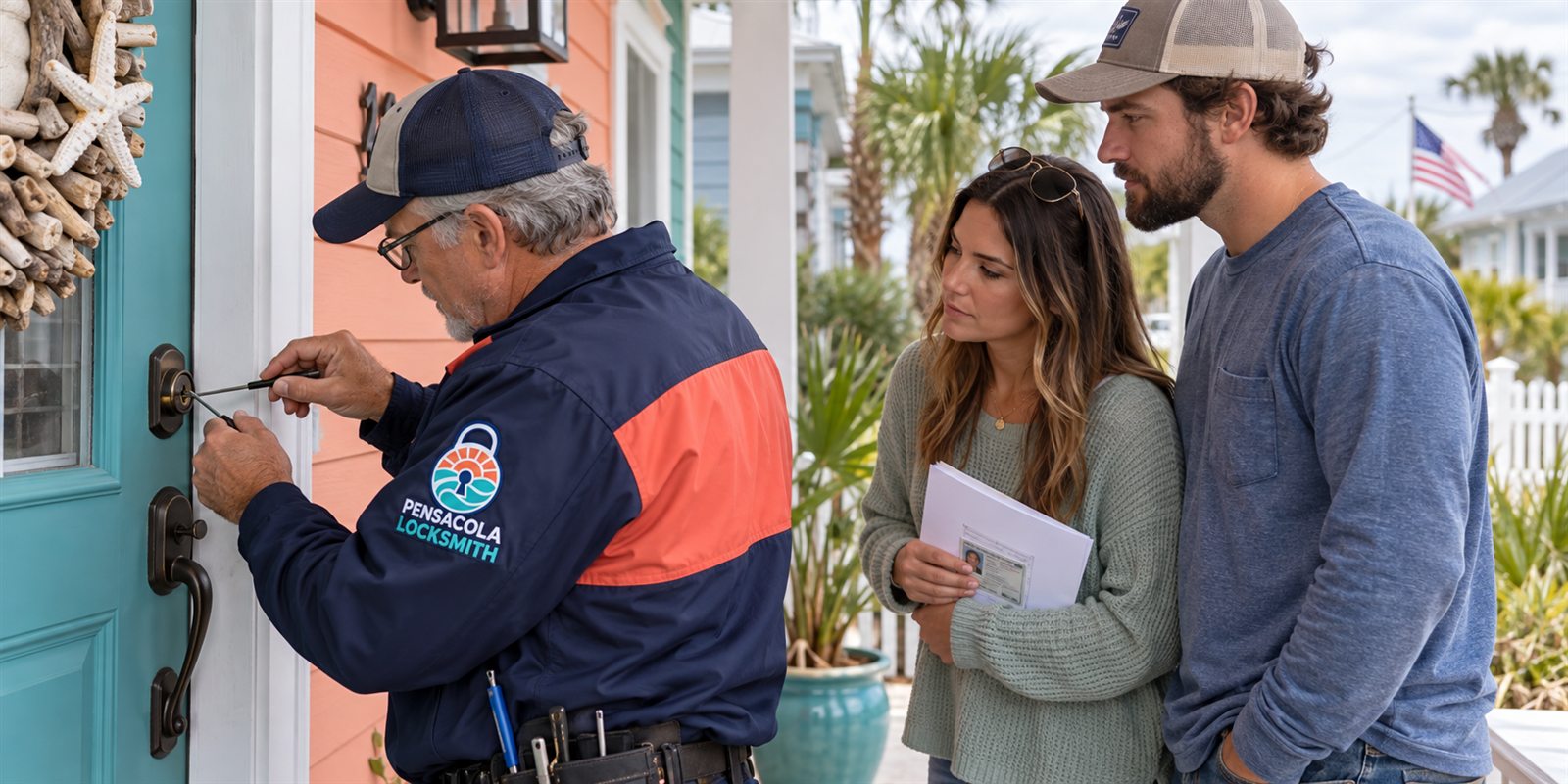
Over the life of a home, many keys have been made: for family members, cleaners, contractors, neighbors and previous owners. The seller often cannot say for certain how many copies exist. Rekeying at closing gives the buyer a clean start, with only the new keys in existence.
Who arranges it depends on the agreement. Some sellers rekey before listing so that showing keys are controlled. Others leave it for the buyer after closing. Buyers commonly rekey immediately after taking possession, which is a good security habit regardless of what the seller did. The locksmith confirms ownership or authority before rekeying, so the right person should be present or have authorization.
Rekeying keeps the existing hardware and changes only the internal pins, so it is quick and does not alter the look of the home. It can match all exterior locks to one key, which buyers like. Quotes for standard rekeys are given by phone. For homes with older mortise locks or unusual hardware, a technician visit can confirm what is possible.
Stuck, broken or missing keys at showings
Showing day problems are stressful for everyone. An agent arrives and the key in the lockbox will not turn, or the lockbox will not open. A buyer waits on the porch. The first step is to stay calm, double check the code or credential and try gently. Forcing a key can snap it in the lock, which turns a small problem into a larger one.
If the lock is the issue, a mobile locksmith can open the door and fix the problem. Before opening, the technician confirms that the person asking has authority, which may involve the listing agent, the owner or a person named by them. Agents should be prepared to show their listing authority, and the seller's permission may be needed to proceed.
Afterward, address the cause. A cylinder that sticks should be cleaned, lubricated or replaced. A key that is a poor copy should be recut or replaced with a properly made one. It is better to correct the problem before the next showing than to hope it holds up again. Call us to describe the issue and confirm availability.
Vacant homes, estates and unfamiliar properties
Realtors often work with homes that nobody lives in: estate sales, investment properties and houses between owners. These present extra lock challenges. Keys may be missing, locks may be old or damaged, and nobody on site knows the history. In an estate sale especially, the person handling the sale may not hold any keys at all.
In these cases, a locksmith can help gain access and then secure the property. The technician checks that the person requesting entry has legal authority, such as being the executor, the owner or a person with documented permission. Be ready with whatever paperwork applies, such as listing agreements or legal letters.
After gaining entry, it is wise to rekey the exterior locks so that you know exactly who has access. Vacant properties are more exposed to unauthorized entry, so reinforce weak points such as sliding doors and frames. A short inspection by the technician can reveal damage that should be repaired before the home is shown.
Showing security: what sellers can do
Sellers can take simple steps to stay safe while the house is on the market. Lock away jewelry, cash, prescription medications, firearms and important papers in a safe place off site if possible. Keep spare keys and garage remotes out of sight. Take down mail and documents that show personal information.
After each showing, check that doors and windows are locked and the lockbox is secured. Ask the listing agent how access is controlled and whether showings are logged. Some electronic lockboxes record who opened them and when, which is useful if something seems off.
If you notice anything unusual, such as a door left unlocked or a lock that seems tampered with, tell your agent and consider rekeying. A technician can also reinforce a weak frame or add a better deadbolt for peace of mind. These improvements often make the home more appealing to buyers who value solid security.
- Remove valuables and medications before showings begin
- Keep spare keys and garage remotes out of sight
- Confirm all doors and windows are locked after each visit
- Ask how lockbox access is controlled and recorded
Inspection and repair requests that involve locks
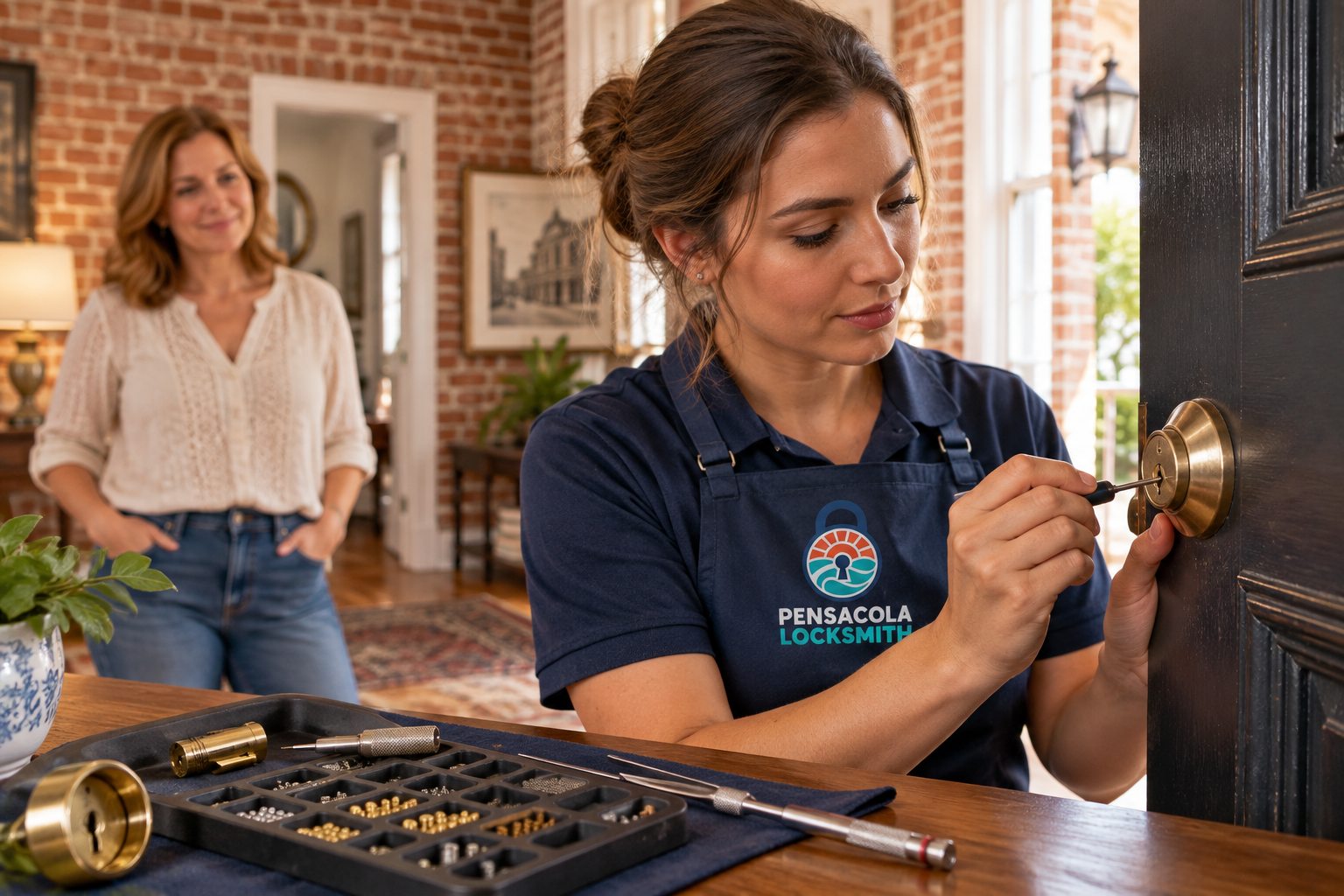
Home inspections sometimes list lock-related items: a bedroom door that will not latch, a deadbolt that does not extend, a sliding door lock that is broken or a back door that does not seal. Buyers may ask the seller to address these before closing. They are generally small repairs, but they can hold up negotiations if ignored.
A technician can handle many of these in one visit. Realigning a strike plate, adjusting a door, replacing a broken sliding door latch or swapping a failed deadbolt are all routine tasks. Getting them done early, with a note of what was done, helps the transaction move along and shows the buyer the home has been cared for.
Keep receipts and descriptions of the repairs. They can be added to the paperwork if the buyer asks. The locksmith confirms authority before working on the property, so whoever schedules the repair should be the owner or have the owner's authorization.
Open houses and busy weekends
Open houses change the lock picture because the door may stay unlocked for hours and many people move through the home. Before the event, confirm that every exterior door you do not want used is locked, and that interior doors to private rooms or storage are closed. Garage entry doors and back doors should be checked, since visitors often wander toward them.
Assign one door as the entrance and keep the others secured. Make sure the agent knows the lock behavior of that door, including any trick with the deadbolt or a latch that needs a firm pull. If the lock sticks, fix it before the event rather than letting visitors watch an awkward struggle. A smoothly operating door sets a positive tone for the whole visit.
At the end of the event, walk the house, count the people who left and relock everything. Look for doors or windows that were opened and not closed. Some sellers change codes on keypad locks or retrieve the lockbox key after an open house, particularly if many unfamiliar people attended. These steps take only minutes and add to a feeling of control.
In tourist season and around local events, Pensacola weekends can be busy, and agents may schedule back to back showings. Keep your lock in good order and your key ready, so each visit goes smoothly and the buyer's first experience with the house is a good one.
Garage doors, gates and outbuildings
Realtors and sellers often forget the secondary spaces. A garage may have a keypad opener, a side entry door and a manual lock. A fenced yard may have a gate with a padlock or latch. A shed or workshop may have its own key. Each of these needs to be accounted for at showings and at closing.
Check that these locks work and that you know where all the keys are. A rusted padlock is common in coastal air, and a key that has been in a drawer for years may no longer turn it. Replace corroded padlocks, lubricate hinges and latches and test the gate from both sides.
Garage door openers and remotes also change hands at closing. Clear the opener's memory so old remotes stop working, and reprogram new ones for the buyer. If a keypad opener is in use, change the code. A locksmith can advise on lock hardware for side doors and gates, while the opener itself may need a garage door specialist. Include these items on your closing checklist so nothing is missed.
Communication between agent, seller and locksmith
Most lock trouble in a sale is really a communication gap. The agent assumes the seller has all the keys, the seller assumes the agent has arranged the lockbox, and the buyer assumes the house will be rekeyed. Sorting this out early takes a short conversation and prevents a frantic one later.
Agree on who orders what. Decide whether the seller will rekey before listing, whether the lockbox stays until closing and who will meet the technician at the property. Write down the key count and the location of every lock that matters. If a tenant occupies the property, coordinate with them as well, because they may control access.
When you call a locksmith, give clear details: the address, the type of lock if known, the symptom and who has authority to approve work. Ownership or authority is confirmed before any lock is opened, rekeyed or changed, so make sure the right person is available or has granted permission. Call us to describe your timeline, get a phone quote for routine work and confirm availability for the days you need.
Closing day and the key handoff
On closing day, keys change hands. The seller should gather every key: front and back doors, garage entry, sheds, mailbox, gate and any special items such as garage remotes or alarm fobs. A short written list helps the buyer check that everything was received. Missing keys are better known on closing day than discovered a week later.
Buyers should treat the keys they receive as already compromised in the sense that unknown copies may exist. Rekeying right away is a straightforward step that makes the house truly theirs. It can often be scheduled on the same day as possession, if arranged in advance. Call us before closing to plan the timing and to confirm availability.
Smart and keypad locks need extra attention at handoff. Previous codes must be cleared, accounts transferred or reset, and any hubs or apps removed from the seller's control. Without this, the previous owner might retain access. A technician can reset electronic locks and walk the buyer through the new setup, after confirming authority over the home.
Waterfront, historic and second homes
Pensacola includes older neighborhoods with historic homes, waterfront properties and second homes used by seasonal owners. Each brings its own lock considerations. Older houses may have original mortise locks that deserve preservation, and a skilled technician can often restore them instead of replacing them. Such hardware can be a selling point.
Waterfront homes face constant salt and humidity. Exterior hardware may be corroded, and cylinders can seize. Replacing worn items with corrosion resistant hardware before listing can improve both appearance and function. Seasonal homes that sit unused for months may have stiff locks and damp doors that need attention before showings.
For any of these, a short inspection by a locksmith before listing can identify trouble early. The service call charge is explained before dispatch, and routine items are quoted by phone. Planning ahead beats scrambling on the morning of an open house.
Common questions
Should I rekey the house before I list it?
It is optional but helpful, since it limits showing access to the keys you control. Many sellers wait, and buyers often rekey after closing. Either way, the locksmith confirms ownership or authority before working. Call us to talk through timing and confirm availability.
What if the lockbox will not open at a showing?
Double check the code or credential and try gently without forcing. If it still fails, contact the listing agent and the seller. A locksmith can open the door if the person requesting has authority, and then address the lockbox or lock problem.
Can a locksmith open a vacant house for an agent?
Yes, when the person asking has documented authority, such as the owner or a listing agreement. The technician checks before opening. For estates, bring paperwork showing who may act. Rekeying afterward gives you control of who has keys.
What should the buyer do with the keys at closing?
Check that all keys, remotes and fobs listed were received, then rekey the exterior locks as soon as possible. Reset any electronic locks and clear old codes. It makes the home secure and ensures no unknown copies remain.
How do I get a quote for lock repairs before listing?
Simple items can be quoted by phone once you describe the lock and the problem. If the situation is unclear or involves several doors, a technician visit comes first and the service call charge is explained before dispatch. Call us to schedule.