
Content note: this page was written by Claude (AI) for Pensacola Locksmith.
What a VIN is and why it exists
A vehicle identification number, usually called a VIN, is a standardized seventeen character code assigned to each vehicle when it is built. It combines letters and numbers and works like a fingerprint. No two vehicles share the same one. Manufacturers, registration offices, insurers and repair shops all use it to identify a specific vehicle.
The code is not random. Different positions carry different information, such as the maker, the type of vehicle, the model year and the plant where it was assembled. The final digits are a serial number for that individual unit. You do not need to decode it yourself, but it helps to know that the number encodes real details about the vehicle.
Letters I, O and Q are not used in the standard format, to avoid confusion with the numbers one and zero. If you are copying a VIN and see what looks like an O, it is almost certainly a zero. This small fact saves a lot of mistakes when reading a number off a worn label or a photocopy.
For key services, the VIN lets a locksmith work out the key blank, the chip type, the remote frequency and the programming method that fit your vehicle. It narrows down options that would otherwise take guesswork. It also supports the ownership check, since the VIN can be matched to your registration or title.
Because the VIN follows the vehicle for its whole life, it also appears in records you may never see, such as recall notices, service histories and ownership transfers. When you sell or buy a used vehicle in the Pensacola area, the number is what ties the paperwork to the actual car. That is why it appears on so many documents and why accuracy matters so much.
Where to look on the vehicle itself
The most common spot is the driver side of the dashboard, at the base of the windshield. Stand outside the car and look through the glass at the lower corner near the driver. You should see a small plate with the seventeen characters stamped or printed on it. It is made to be readable from outside without opening the door.
Another standard location is the driver side door jamb. Open the driver door and look at the edge of the door or the pillar where the door latches. A sticker there lists the VIN along with tire pressure and manufacturing date. Wipe away dirt if the label is hard to see, since road grime and sun can make it faint.
Other places include under the hood on the engine block or firewall, on the front of the frame in some trucks, in the trunk under the spare tire cover, and on the frame near a wheel on some motorcycles. Look at the owner's manual for the exact locations on your vehicle. Different makers choose different spots beyond the standard ones.
Take a clear photo with your phone, and zoom in to confirm each character. Photos are easier to read than hasty handwriting, and you can send or read from them during the call. If the photo is blurry, move to better light or angle the camera to avoid glare on the glass.
Motorcycles, trailers and boats with trailers have their own placements. On a motorcycle, the number is often stamped on the steering head, the frame near the front, or on a plate by the neck of the frame. A trailer commonly carries it on a plate near the tongue. If you have a work van or an older truck, look at the frame rails or the door post.
- Base of the windshield on the driver side
- Driver door jamb sticker
- Engine bay or firewall
- Trunk floor or spare tire area on some vehicles
Finding the VIN from paperwork and accounts
If you cannot get to the vehicle, the VIN is printed on many documents. Check the registration card, the title, the insurance card or policy documents, and any repair invoices. Loan or lease paperwork also lists it. Having a few of these on hand lets you cross check the number against what you read from the car.
Insurance apps and online accounts often show the VIN under the vehicle details. A dealer service history or an online maintenance record can display it as well. If you use a vehicle tracking or connected car app, the VIN may be available in the account settings. Look in these places when you are away from the vehicle.
Be careful when copying numbers from documents. Misreading a single character leads to a wrong match. Read the number slowly and double check each position. If something looks unclear, compare it with a second source. A mismatched VIN delays the work and can cause the wrong key to be prepared.
Keep a note of your VIN in a safe place, such as a password protected note on your phone or a paper in your home files. It is not secret in the way a password is, since it is visible through the windshield, but it is useful to have at hand. Share it only with people who have a reason to need it.
How the VIN relates to key cutting and programming
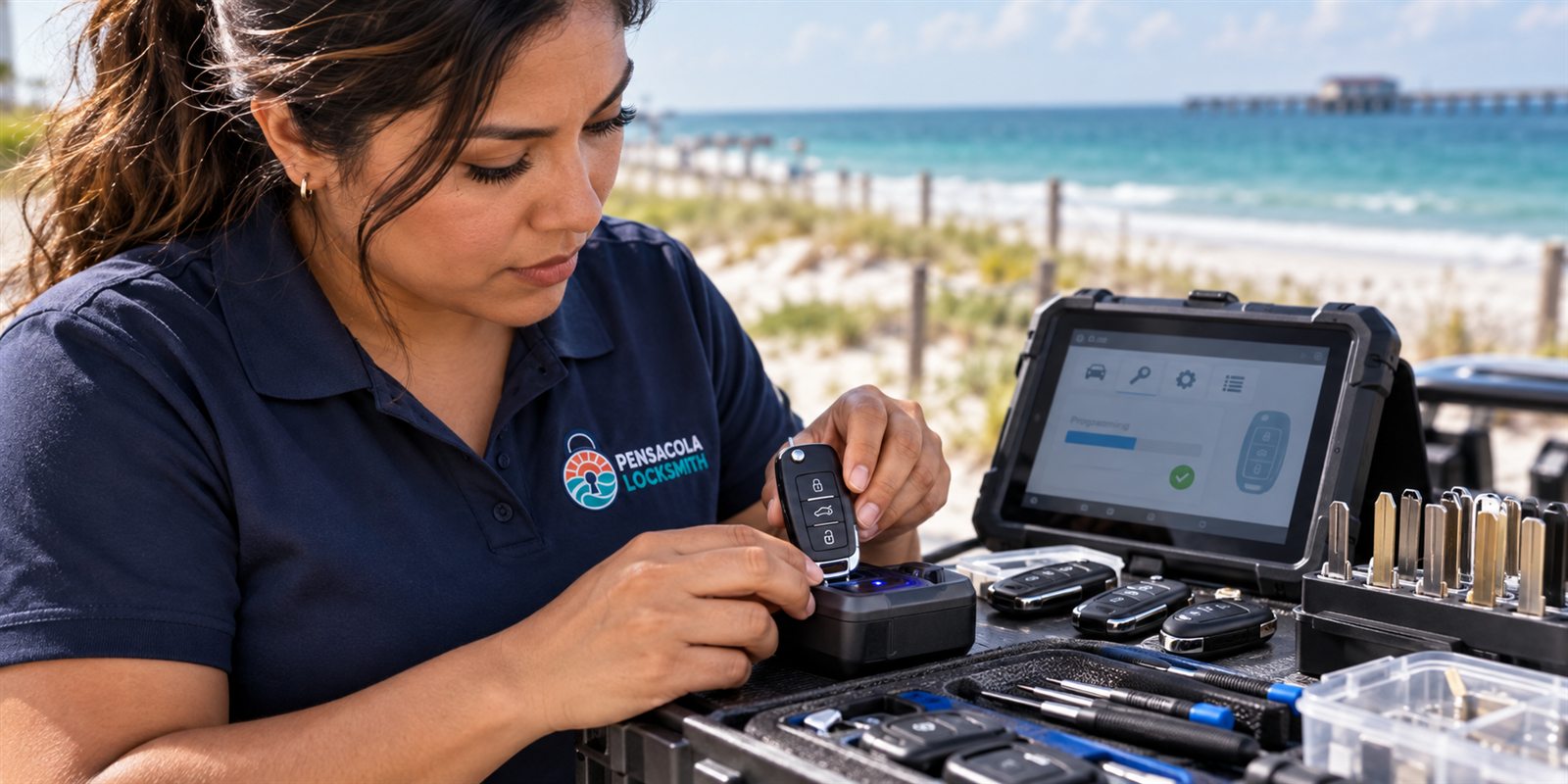
For many vehicles, the VIN helps identify the correct key blank and transponder chip. Different makes, and even different versions of the same make, use different blade profiles and chip families. The VIN narrows the choice so a technician arrives with suitable parts. This reduces the chance of a second trip.
In some cases, the VIN is used to look up a key code, a short code that describes how the key is cut. Access to those codes is controlled, and a technician must follow proper procedures and confirm ownership before using them. Not every vehicle allows this, and sometimes the key must be made by other methods, such as reading the lock.
Programming a new key to the vehicle often requires connecting equipment to the car's computer. The VIN helps confirm that the equipment and software match your vehicle. Some systems require a security code or a waiting period built into the process. A technician can explain what applies to your vehicle once they know the details.
Please note that the VIN alone does not make a key. It guides the choice of parts and procedure, but a physical cut and a programming step are still needed. The process also depends on whether you have a working key already, since copying from a working key is often simpler than creating one from scratch.
Some newer vehicles take extra steps, such as connecting to the manufacturer's secure systems or waiting for a programmed delay. The VIN is part of that exchange. A technician who knows the details in advance can tell you honestly whether a visit can be completed in one trip or whether additional parts or steps will be needed.
Why the VIN is tied to proof of ownership
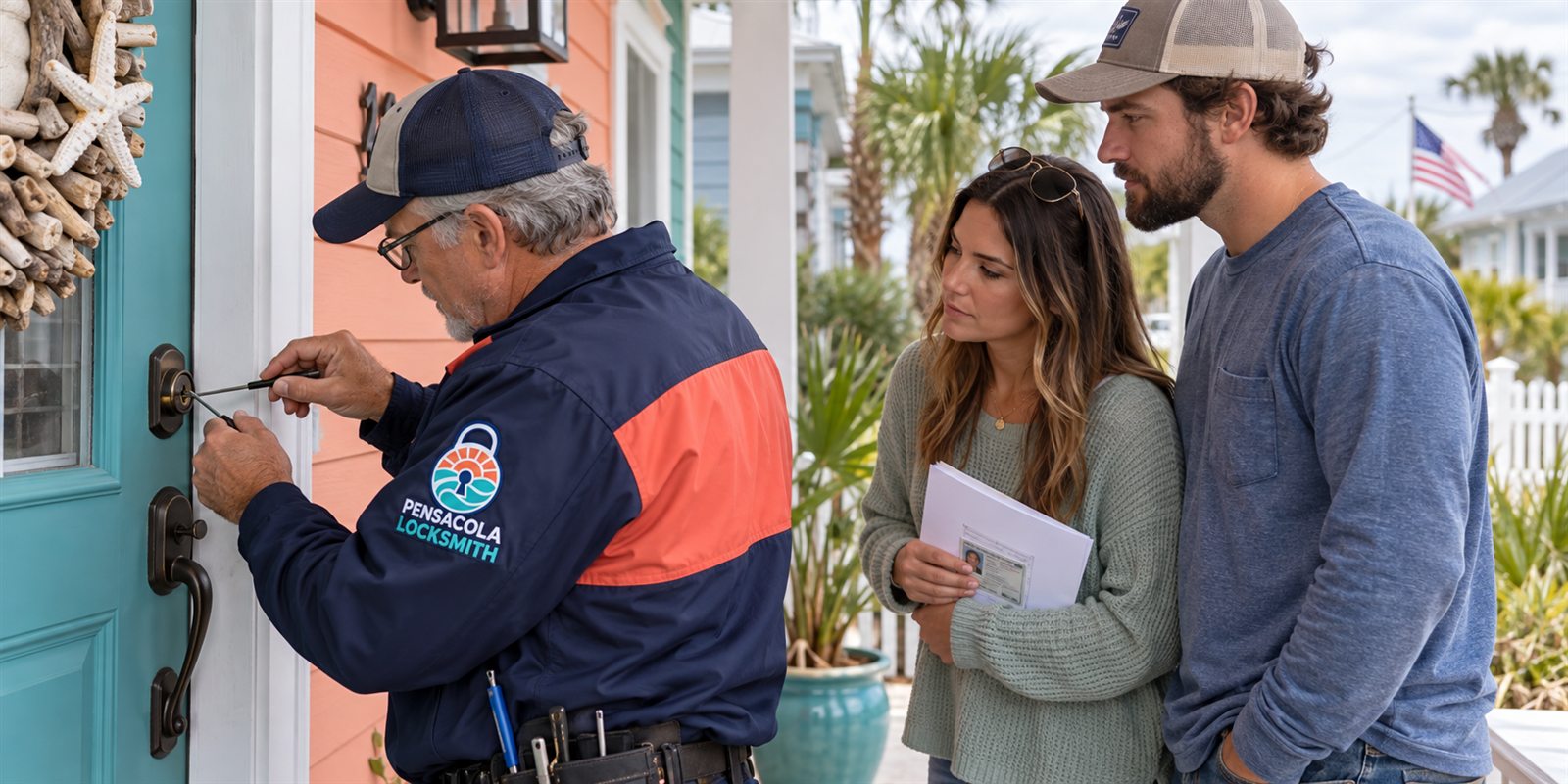
Locksmiths are careful about who gets a key to a vehicle. Before cutting, programming or opening, a technician checks that you own the car or have authority to act. The VIN on your registration or title should match the VIN on the vehicle itself. This is a protective step, not a hurdle placed in your way.
A mismatch raises questions. If the paperwork lists one number and the car shows another, the technician cannot continue until it is clarified. There can be innocent reasons, such as a recent transfer or a clerical error, but the checks exist because of the harm that can come from handing a key to someone who does not own the car.
Bring photo ID that matches the name on the registration, or other documents that show your authority, such as a lease agreement for a leased vehicle or a letter from the owner. For company vehicles, bring something showing you work for the business and are allowed to request service. The more clearly you can show your link to the vehicle, the smoother the process.
If you are stranded and cannot reach documents, call and explain. A technician can tell you what is acceptable. Do not be offended by questions. They are part of keeping your vehicle safe, and they protect other drivers in the area, too, from the consequences of unauthorized access.
Reading and checking the number correctly
Seventeen characters leave room for error. Read each one aloud slowly, and consider spelling difficult characters with words, such as B as in boy. Pay attention to similar looking pairs: the numeral 8 and the letter B, the numeral 5 and the letter S, the numeral 2 and the letter Z. Taking a moment here prevents delays.
Check the length. A complete VIN has exactly seventeen characters on modern vehicles. Older vehicles, made before the standard format, may have shorter numbers. If you count fewer than seventeen on a recent vehicle, you probably missed a character or the label is partly worn. Look again or find another source.
Look at the ninth position, which is a check digit used to validate the number. You do not need to calculate it, but a technician or a lookup tool can use it to detect typing mistakes. If a number fails the check, it likely contains an error, and you should compare it with a clear photo.
If a plate is damaged, scratched or covered by a sticker, use alternative locations. Do not try to scrape or alter any label. Altering a VIN plate is illegal. If you suspect tampering or cannot find a legible number, tell the technician plainly, and they will advise on the next steps.
What else to have ready before you call
Along with the VIN, be ready to give the make, model, approximate year and color. Describe the key you had: a plain metal key, a key with a plastic head, a remote key, a flip key or a push button fob. If you have any working key at all, mention it, because that changes the options and often makes the work simpler.
Tell the technician where the vehicle is and how it is parked. In a driveway, a lot or a street spot near the water, access conditions may differ. If the car is locked with the keys inside, say so. If it is in a gated community, an apartment complex or a base, mention that so that access can be arranged.
Have your ID and registration ready, or an alternative proof. For a rental or lease, bring the agreement. If you are acting for someone else, bring written authority. These details help the technician confirm ownership or authority at the start, which saves time once they arrive.
Call us to confirm availability and to get a quote by phone. If a job is complicated, such as an all-keys-lost situation on a vehicle with a complex security system, a technician visits and the service call charge is explained before dispatch. Having your details ready keeps the conversation short and helps the plan come together.
If you can, note the number of keys that existed and where each one was last seen. This helps the technician decide whether an old key might still be active, since lost keys can sometimes be erased from the vehicle's memory when a new key is programmed. That step improves security if a lost key might be in the wrong hands.
Protecting your VIN and your vehicle
A VIN is visible through the windshield on most vehicles, so it is not a secret. Still, treat it with sense. Do not post photos of your registration or title, which show more than the number. Avoid sharing the VIN in public posts or with unknown parties, as it can be used in scams involving fake listings and cloned documents.
Be wary of anyone asking for your VIN and a payment before showing who they are. Honest businesses explain their process, give you a clear quote and do not pressure you. If something feels rushed, hang up and call back using a number you trust. The more you know about the process, the harder it is for a bad actor to mislead you.
Keep your registration and title secure at home, not in the glovebox. A thief who takes both the car and its documents has an easier time. Carry a copy of the registration if the law requires, but store the title elsewhere. If you lose your documents, request replacements promptly.
Finally, consider making a spare key now, while you still have one that works. Copying is simpler than starting from nothing, and the VIN helps the technician match the right parts in advance. A short phone call today can spare you a stressful, unplanned afternoon if a key is lost later.
After a storm, remember that flooded vehicles can lose labels and corrode electronics, including key systems. If your vehicle has been in high water, mention it when you call. A technician can explain how moisture affects chips and modules, and whether a key request will be straightforward or may need extra diagnosis before programming can proceed.
Common questions
Where is the VIN on most vehicles?
Look at the driver side of the dashboard near the base of the windshield, readable from outside, and on the sticker in the driver door jamb. It also appears on your registration, title and insurance papers. Take a clear photo and check each of the seventeen characters before you call.
Why does a locksmith need my VIN?
It helps identify the right key blank, chip type and programming method, and it supports the ownership check, since the number should match your registration or title. It does not make the key by itself. A cut and a programming step are still required.
Can I get a key made without proof of ownership?
No. Before cutting or programming a vehicle key, a technician checks ownership or authority, usually with photo ID and a registration or title matching the VIN. This protects owners from unauthorized access. If you cannot reach your documents, call and ask what else is acceptable.
What if my VIN plate is hard to read?
Use another location, such as the door jamb sticker, and look at your registration or insurance card. Photograph the plate in good light and zoom in. Never scrape or alter a label. If you cannot find a legible number, tell the technician and they will advise on the next steps.
Is it safe to give out my VIN over the phone?
A VIN is visible through the windshield, so it is not highly secret, but share it only with a business you are dealing with for a real service. Do not post it publicly or send photos of your registration to strangers. Call us to confirm availability and ask how the process works.