
Content note: this page was written by Claude (AI) for Pensacola Locksmith.
What is inside a typical lockbox
A lockbox is a small metal or plastic container with a door or a sliding cover, held shut by a mechanical latch. The latch is controlled by a code. In the most common design, a row of numbered wheels or dials must line up to a specific combination, which frees the latch and lets the cover open.
Other designs use push buttons, where you press the right buttons in the right order, or a keypad that is mechanical rather than electronic. A smaller group uses electronic keypads with batteries and a small motor. Each type fails in its own way, so knowing which you have is the first step.
Lockboxes also differ in how they attach. Some hang from a door handle by a hardened shackle, and others mount on a wall or a post with screws. Wall-mounted boxes are usually more secure and also more exposed to weather. A hanging box moves in the wind and bumps against surfaces, which adds wear to its parts.
Why lockboxes fail so often near the coast
A lockbox lives outdoors, usually on a door handle or a railing, and rarely gets any maintenance. On the Gulf Coast, that means humid air, salt spray, sun, sand and storm rain. Even a well-made box faces conditions that would wear a lock on a protected door much faster.
Salt corrodes the small steel parts that make up the code mechanism. Springs weaken, wheels stick, and the latch can seize in place. Dust and sand work into the dial and the gaps around it, so the numbers turn stiffly or skip. A box that opened easily last season may refuse to move this year.
Heat is another factor. Plastic components in lighter-duty boxes can warp in a sun-baked location, and lubricants thin out or dry up. A box hung on a south-facing door in summer lives in a small oven. When people say their lockbox just stopped working, the real cause is usually years of slow environmental damage.

The code does not open the box: first checks
When the box will not open, begin with the code. Make sure you have the right one, written the way the box expects. Many people have several lockboxes on different properties, and they confuse them. Confirm that you are at the right box and using the right code, preferably from a record that is not just memory.
Next, check the technique. On a dial box, each wheel must be rotated fully to its number, with a little care to stop exactly on it. On a push button box, press the buttons firmly and in the right order. Then apply the correct action to open, which is often pressing a lever or sliding a cover while holding tension.
Applying a little pressure to the latch while setting the code can change what happens. Some boxes open only when you release pressure, others when you apply it. Try both gently, but do not use force. If the code seems right and the box still does not open, the mechanism may be worn, jammed or corroded.
How a code reset works
Most mechanical lockboxes allow the owner to change the code. A typical box has a reset lever or button, usually found inside the box after it has been opened, or sometimes on the back. You set the dials to the current code, move the lever to reset mode, set the dials to a new code, and move the lever back.
This is why a reset requires the box to be open, or at least the existing code to be known. If you do not know the current code and cannot open the box, there is no simple reset path. That is one reason lockboxes cause trouble when ownership changes, or when staff leave and the code goes with them.
Mistakes during resetting are common. The lever may not fully return, so the new code does not take hold. The dials may be moved before the lever is back. Test the new code several times with the box open, then close it and test again. Write the new code down in a safe place before you walk away.
- Make sure the box is open before resetting
- Follow the sequence in the instructions for your model
- Test the new code several times
- Record the new code somewhere safe
Why a code can seem to drift
Sometimes a code that worked yesterday does not today. In a mechanical box, wear in the wheels can shift how they line up. A wheel that has slipped one position will not match the code you remember. Dirt and corrosion can add friction, so you stop a bit short or a bit long without noticing.
Another cause is that someone else changed it. In rentals and shared properties, multiple people may have access, and a well-meaning cleaner, guest or staff member can reset a code. Without a log of changes, the code you were given is no longer valid, and no one remembers touching it.
Finally, a lever left half-engaged can change the code accidentally. If the reset lever was not returned all the way after a previous change, the dials may behave oddly or move freely without affecting the latch. Checking the position of the reset lever is a simple step once the box is open.
When the box is stuck shut and the code is known
If the code is right but the latch will not release, something inside is binding. Corrosion on the latch, a bent part or debris in the mechanism can hold it tight. Gentle tapping on the box and light pressure on the latch sometimes frees it, but heavy impacts can damage the case or jam it further.
A drop or two of dry lubricant around the dials and latch gap can sometimes loosen a corroded mechanism. Use very little, work the dials, and wipe away the excess. Avoid heavy oils, which collect dirt and make things sticky. Do not spray liquid into an electronic box, since that can ruin the circuit board.
If a gentle approach does not work, stop. Force, hammering and prying can crack a plastic case or distort the metal so the box never opens normally again. A locksmith can open the box using tools that release the latch or, if needed, drill in a controlled way to reach the key inside while limiting damage.
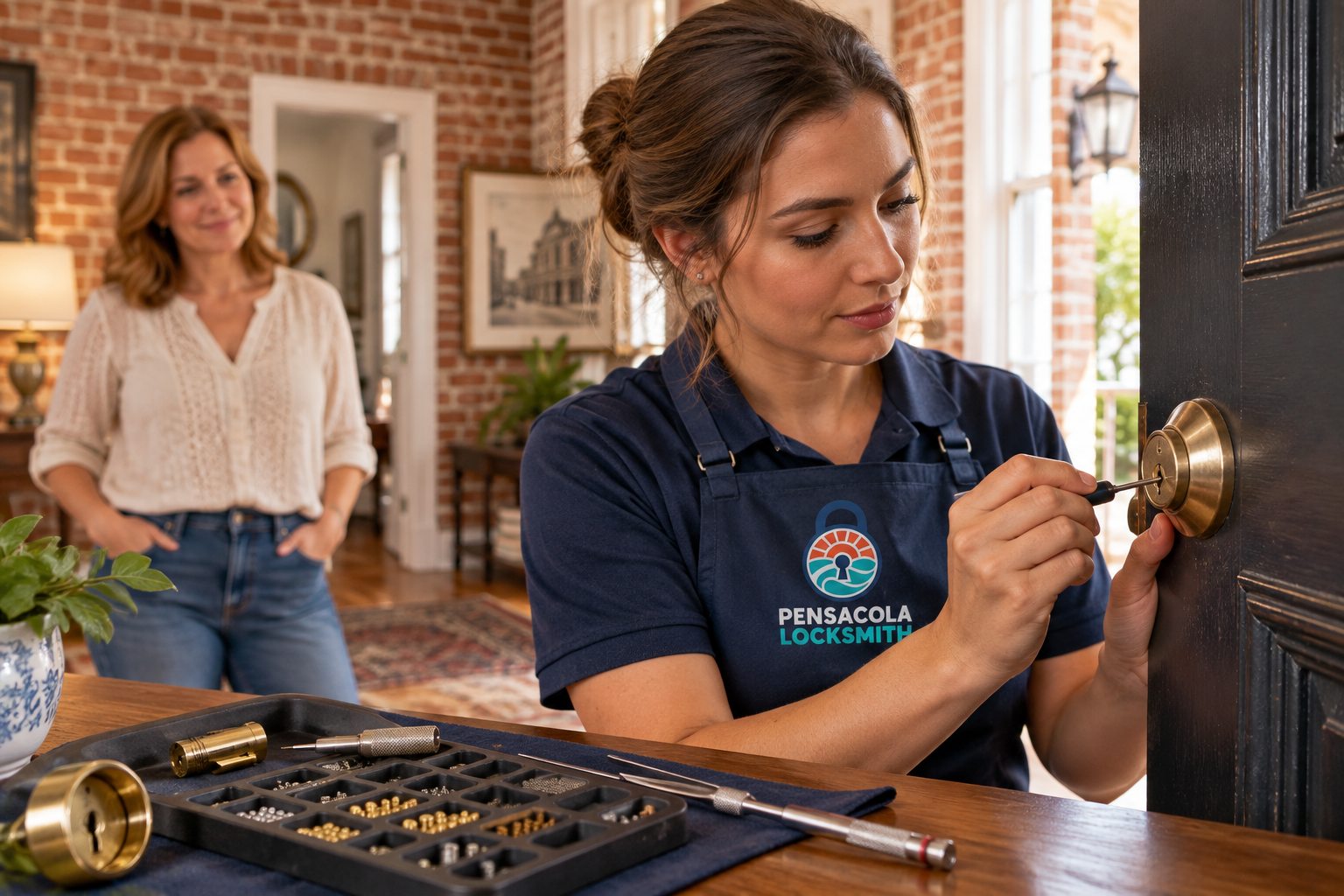
How a technician opens a stuck or forgotten-code box
The technician begins by identifying the box and how it is built. They check the latch type and the code mechanism and decide whether it can be manipulated. Some dial boxes can be opened by feeling the wheels and releasing the latch, using specialized tools, without breaking anything.
If manipulation does not work, the technician may use a controlled drill to defeat the latch or to cut through a specific point in the case. Done properly, this opens the box with limited damage. Done carelessly, it can ruin the key inside or the case. This is why drilling is done by someone who knows where the parts sit.
Afterward, the box may or may not be reusable. Some can be repaired and reset. Others are better replaced, particularly if corrosion is widespread. The technician explains what is practical. Before opening any box, we check ownership or authority, because a lockbox protects keys to someone's property.
Ownership questions for rental and shared boxes
Lockboxes are common in rentals, where the key is shared with guests, cleaners and maintenance staff. If a box on a property is stuck and you are not the owner, we need to confirm who owns the box and the property. A box hung on a door may belong to the owner, a property manager or a former tenant.
We may ask for a lease, a management agreement, a deed or confirmation from the owner. This can feel like a hurdle when you are standing at the door with luggage, but it is how we avoid helping someone get into a property that is not theirs. It protects owners, guests and managers alike.
If you manage several properties, keep a written record of each box, its location and its current code. Store that record somewhere secure and separate from the boxes. When staff change, update the codes. A small amount of organization avoids most emergencies and makes any needed call faster and calmer.
Choosing a better box for the coast
If your lockbox keeps failing, consider the box itself. Look for models with a sealed or weather-resistant design, a solid metal body, and a protective cover over the dials. A box with a hardened shackle is harder to tamper with. Wall-mounted boxes are often sturdier than ones that hang.
Position matters. Put the box in a shaded spot, facing away from the heaviest weather, if you can. A box under an eave lasts longer than one in full sun and rain. Mount it firmly so it cannot be pried off or swung into walls. Avoid hanging it on a railing where it clanks in the wind all night.
Electronic boxes offer features like individual codes and logs, but they bring batteries and electronics into a harsh environment. A mechanical box is simpler and often more dependable near the water. Choose the type that fits how you manage access. Ask us if you want to talk through the tradeoffs for your property.
Keeping a lockbox working through the year
A little care makes a large difference. Every few months, open and close the box and test the code. Wipe off salt and sand with a dry cloth. Add a very light amount of dry lubricant to the dials and the latch if they feel dry. Check that the shackle and mounting are secure.
Do not store anything in the box except the key it is meant to hold. Extra items can jam the door or the latch. If the key has a large fob, make sure it fits easily and does not press against the latch. Keep a second copy of the key somewhere else, so a failed box is not a total loss.
Replace boxes that show signs of serious corrosion, cracks or stiff dials. A failing box left in service will eventually fail at the worst moment. When it does, call us, describe the box and the problem, and say whether you know the code. We will explain what a visit involves, and please call to confirm availability.
Planning for emergencies and hurricane season
A lockbox that holds the only key to a property is a single point of failure. In normal times that is an inconvenience. Before or after a storm, it can become a real problem, as owners, repair crews and insurance staff need access, and a corroded box may pick that moment to jam.
Before hurricane season, check every lockbox you rely on. Test the code, clean and lubricate lightly, and confirm that the key inside is the right one. Consider having a spare key stored elsewhere, with a trusted person. After a storm, inspect the boxes again for water damage or dislodged mounts.
If a box fails when access matters, call as early as possible. We check ownership or authority before opening, and quotes are given by phone. If the job is complicated, a technician visits and the service call charge is explained before dispatch. Planning ahead gives you options, and waiting for an emergency leaves you with only one.
Electronic and keypad lockboxes
Electronic lockboxes add a keypad, a small circuit board and a battery, and sometimes a motor or solenoid that releases the latch. They can offer several codes, temporary codes and even a record of who opened the box. These features are attractive for rentals, but they bring new ways to fail.
A dead battery is the most common failure. Many electronic boxes include external contacts or a backup method, just like keypad door locks, so you can power the box briefly. Check your model for such a feature. If the box has neither, a dead battery may leave you with a sealed box and a locked key inside.
Moisture is the other enemy. Water that gets into the keypad can cause erratic behavior, and a box exposed to coastal weather will eventually show it. If an electronic box begins to act strangely, let it dry, replace the batteries and test again. If trouble continues, the electronics may need replacing, or the box may be better swapped for a mechanical one.
What to have ready before you call
A short list makes the call easier. Know where the box is and how it is mounted. Say whether it has dials, buttons or a keypad, and whether you know the code. Describe what happens when you try to open it, including any sounds or movement. A photo is not necessary, but a clear description helps.
Tell us what is inside. If it holds one key to a single door, the situation is simple. If it holds several keys, a fob or a card, take extra care. Mention whether the key is still needed right now, and whether there is another way into the property while the box is dealt with.
Be ready to explain your connection to the property. That might be as the owner, a manager, an authorized agent or a tenant with permission. We will ask for proof that suits the situation. Please call to confirm availability, and we will explain what the visit would involve before anything is dispatched.
Common questions
Can a lockbox code be reset if I forgot it?
Most mechanical boxes can be reset only when they are open, or when the current code is known. If you cannot open the box, a locksmith may open it by manipulating the latch or by drilling, after confirming that you own or have authority over the box and property.
Why does my lockbox stick even when the code is correct?
Salt, humidity, sand and heat can corrode or clog the latch and dials. Light dry lubricant and gentle pressure sometimes help. Avoid force or hammering, which can crack the case. If it stays stuck, a technician can open it with less damage.
Will opening a lockbox damage the key inside?
A careful technician aims to protect the key and limit damage to the box. Manipulation avoids damage when it works. Controlled drilling is used when needed and is done at a point that avoids the key. Tell us what is inside so we can plan.
Do you need proof of ownership to open a lockbox?
Yes. A lockbox guards keys to someone's property, so we check ownership or authority first. A lease, management agreement, deed or confirmation from the owner can serve. This protects owners, guests and managers.
How do I get a quote and confirm availability?
Call us and describe the box, the problem and whether you know the code. Quotes are given by phone. If the job is complicated, a technician visits and the service call charge is explained before dispatch. Please call to confirm availability.