
Content note: this page was written by Claude (AI) for Pensacola Locksmith.
Where to begin: what is in your hand
The simplest way to start is to describe what you are holding. Chevrolet owners may have a key with a rubber-padded head, a key with a built-in remote and buttons, a fob with a hidden emergency blade, or a flat proximity fob used with a start button. The category tells us which tools and parts we will need.
If you have nothing left, then describe how the vehicle behaves. Does it have a keyhole in the ignition? Is there a push-button start? Is there a keypad on the driver door? Each detail narrows the possibilities, and together with the vehicle identification number it is usually enough to plan the work.
We try not to assume. Key designs vary across the brand, across vehicle types and across time, and generalizations can mislead. A short phone conversation with the details you can see and read is more reliable than any guess about what a particular vehicle must use, and it saves a wasted trip.
How the vehicle checks the key
Most modern Chevrolet vehicles have an anti-theft system that checks for a coded signal from the key. When you insert the key or bring a proximity fob near, the system reads the code. If it matches, the engine can start. If not, the vehicle may stay disabled, sometimes with a security light flashing on the dash.
This is why a plain metal copy is not enough. It may open the door and turn the ignition, but without the matching electronic code, the engine will not run. The electronics inside the key are as important as the cuts on the blade, and both need to be right for the key to work properly.
Some systems also include a relearn period, where the vehicle must be left in the ON position for a set time before accepting a new key. Others require diagnostic tools that communicate with the vehicle's computer. The technician knows which applies and plans the time for it, rather than rushing.
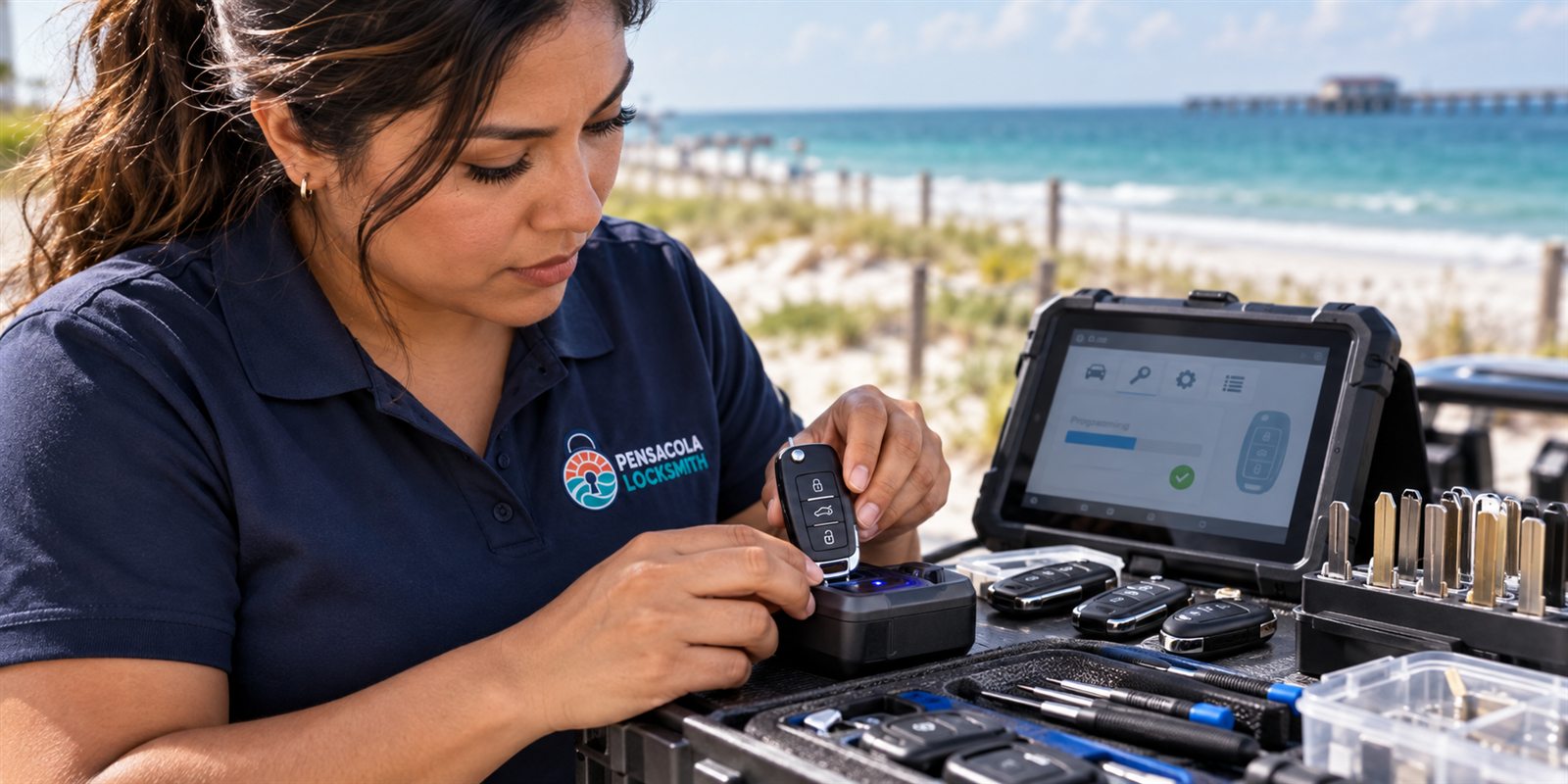
Remote head keys and buttons that wear out
Remote head keys are common and used daily, so they wear. The rubber buttons crack, the printed symbols fade, and the case may split along the seam. Moisture sneaks in and attacks the circuit board. People often describe a key that works sometimes, and not others, which is typical of worn contacts or a weak battery.
A new battery should be the first step. If the remote still fails, the electronics may need to be reprogrammed or the board replaced. Some owners prefer to keep the original blade and move the electronics into a new case, which can restore a tired-looking key at a modest effort.
If the key is far gone, a full replacement is simpler. The technician cuts the blade, programs the transponder and pairs the remote, then tests each function. Having the old key to examine is helpful even if it no longer works, because the shape and markings help identify the right replacement.
Proximity fobs and push-button start
Proximity systems let you unlock the vehicle and start it without taking the fob out. The vehicle senses the fob through low-power radio signals. When the fob's battery is weak, range shrinks, and you may find you have to hold it close to the door or the start button for the vehicle to react.
Many vehicles have a backup location for the fob, such as a pocket in the console, where a weak fob can still be read by the system. Looking in the owner's manual can reveal this, and it is worth learning before you need it. Changing the battery usually resolves the issue.
When a fob is lost or fails, a replacement needs to be paired to the vehicle. The technician registers the new fob and tests proximity entry, the start button, and the remote functions. If the old fob is lost, the system can often be told to ignore it, which is a sensible precaution after losing a key in public.
Trucks, SUVs and the realities of heavy use
Chevrolet trucks and SUVs are popular in our area for work, towing and trips to the beach. They also pick up more wear than a garage-kept commuter car. Keys live in work pants pockets, on boats, in tool bags and in the sand. A durable cover and a keychain that is not overloaded make a real difference.
Work trucks may have keys shared between drivers, which multiplies the chance of losing one. If the vehicle belongs to a business, we need authorization from the owner or a manager with authority. A company registration or a short letter on company paper is usually enough, along with the driver's identification.
If you run several vehicles, consider a simple key log. Know who holds which key and how many exist for each vehicle. When a driver leaves, it may be worth removing their key from the vehicle's memory where the system allows. We can help plan this when we program new keys.
Getting ready: details and documents
Please have the vehicle make, model and approximate year ready, along with the VIN, found on the dashboard at the base of the windshield and on a sticker in the driver door jamb. Add a description of your key situation: none left, one left, a broken key or a fob that fails.
Tell us where the vehicle is. An open driveway is simple. A tight garage, a gated community or a parking structure takes some planning. If the vehicle is locked, mention whether the keys are inside. Photos of the key and the dash can help us identify the style and any warning lights.
We confirm ownership or authority before cutting or programming. A registration or title in your name and a government-issued photo ID are the usual items. For a business or rental vehicle, we need authorization from the owner. This step protects you and the vehicle, and it takes only a moment.
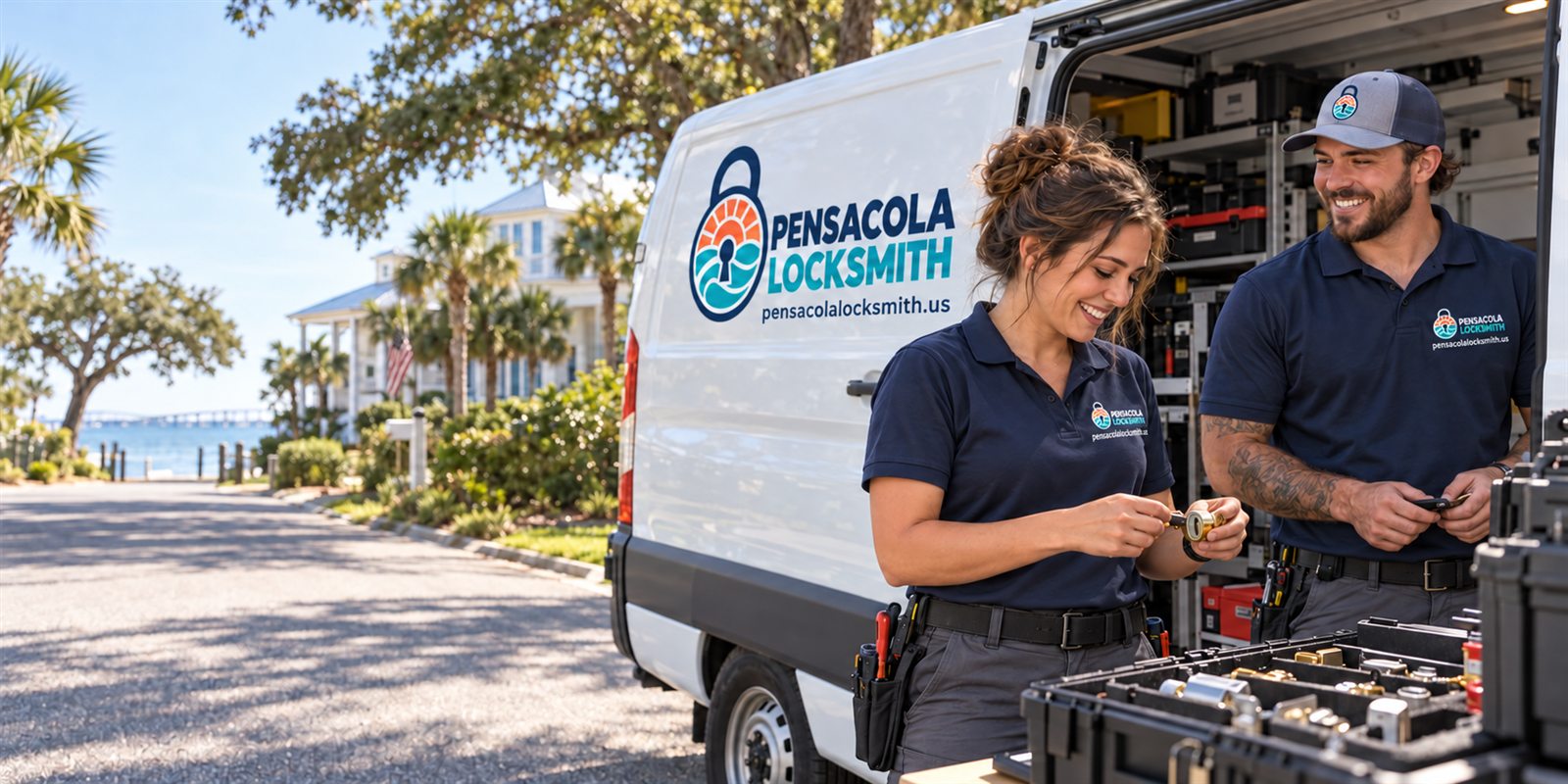
How the work is done at the vehicle
The technician checks your documents, examines the ignition and doors, and identifies the key type. A blade is cut on a portable machine when one is needed, and the cut is tested for a smooth fit. A poor fit wears the ignition, so careful testing is more important than speed.
Programming follows. Equipment is connected to the vehicle's diagnostic port, and the new key is registered to the system. If a waiting period or relearn procedure applies, the technician runs it and explains what is happening. Remote and fob functions are paired as well, and extra keys are added in the same session.
At the end, every function is checked: locks, remote, trunk or liftgate, start. The technician explains what was done, shows you how to use any special feature and answers questions. Because the work is done where the vehicle sits, there is no tow and no need to arrange a ride to a shop.
When all keys are gone
Losing every key can feel serious, but it is a standard job. After confirming ownership, the technician finds the key information for your vehicle, cuts a new blade and programs the key without needing an existing one. This takes longer than duplicating from a working key, because security procedures have to be followed.
The time depends on the vehicle. Some accept new keys quickly, and others include built-in delays designed to deter theft. We tell you what to expect before starting, so you can plan your day. It helps to be present with your documents and to be available for the full process.
Afterwards, consider a spare. Having one key is the position that leads to this situation. Making a second right away costs less in effort than it does later and protects you from repeating the experience. If you worry about whether the lost key could be misused, ask about removing it from the system.
Seasonal and coastal considerations
Summer heat on the Gulf Coast bakes the inside of a parked vehicle. Keys left on the dashboard suffer: batteries weaken, plastics warp and rubber buttons dry out. Hanging keys in a cool place and not leaving fobs in the sun extends their life. A simple habit prevents a surprising number of failures.
Salt air and sand add wear. Sand in key slots and fob buttons causes grinding and wear. Salt on electronic contacts leads to intermittent behavior. A quick wipe with a dry cloth after a beach trip, and drying the fob thoroughly if it gets wet, helps. Avoid using household cleaners on electronics.
Storm season brings the risk of flooded vehicles. If your Chevrolet has been in standing water, the key system may be among many things affected. Tell us when you call, so we plan correctly. We can handle the key side, while other repairs will need a shop. Honest advice matters more than a quick sale.
Spares, deletion and keeping control
Every extra key is another path into your vehicle, so keep control of them. Count your keys, store spares somewhere safe and avoid leaving a key in or on the vehicle. Hide-a-key magnets are well known to thieves and tend to fall off anyway, leaving you with no spare at all.
If a key is lost and you are concerned, ask whether it can be deleted from the vehicle's memory. Many systems allow this when new keys are programmed. After deletion, the lost key will not start the vehicle, even if someone finds it. That is a reassuring step after a loss in a public place.
When you sell or trade in, gather all keys and hand them over. If you buy used, consider having keys reprogrammed so the previous owner's keys no longer work. We can help with either situation, and we are happy to explain the choices without pressure when you call.
Calling us
Phone us with the vehicle details and what has happened. Quotes are given by phone based on the vehicle and the key type. We will explain what is involved and what we need from you. If something about your vehicle is unusual, we say so up front.
If the job is complicated, a technician visits and the service call charge is explained before dispatch. Please call to confirm availability in Pensacola and Escambia County. We can meet you at home, at work or at another safe location where your vehicle is parked.
We aim for plain communication and good work. If you are unsure about what you need, ask. A fresh battery, a fob re-pairing or a new key are very different jobs, and we would rather match the solution to the problem than sell more than you need.
Keypads, door cylinders and other Chevrolet quirks
Some Chevrolet trucks and SUVs have extra entry features such as a door keypad, a hidden door lock cylinder or a separate key for a tailgate or cap. These details can make a key job feel more complicated than it is. Tell us about any extra locks, because each may need its own key or its own code.
Some vehicles use a lock cylinder in the driver door that is covered by a plastic cap, which is easy to overlook. If the fob dies and the doors will not open, the emergency blade fits that hidden cylinder. Knowing where it is, and testing it occasionally, ensures you can get in when the electronics fail.
Truck owners also have toolboxes, bed covers and trailer compartments with separate locks. They may share a key with the vehicle or use their own. We can often match these locks and key them alike so fewer keys are needed. Bring any related keys to the visit and we will sort out what works with what.
What can go wrong, and how we handle it
Not every job goes smoothly. A vehicle's computer may refuse programming because of a low battery in the car, so we may need to connect a power supply during the work. A damaged wiring connector at the diagnostic port or a prior failed attempt by someone else can complicate the process, and we explain what we find.
Sometimes the issue is a worn ignition. A new key might turn poorly in a damaged cylinder, and forcing it would make matters worse. In those cases, we recommend servicing or replacing the cylinder, and explain why. We do not push parts that are not needed, and we do not hide the options from you.
If we cannot complete a job, we say so plainly and explain the reason. A few situations require resources that a mobile visit cannot provide, such as a vehicle that needs a module replaced by a repair shop. Being honest about limits saves you time and avoids false expectations, which we think is part of good service.
Why a locksmith visit can suit a busy day
A vehicle without a key usually has a day attached to it: a shift to reach, children to collect, a boat ramp booking or a flight. Towing a car to a shop and waiting for work to finish eats that time. A mobile visit works where the vehicle sits, so you can keep to your plans as far as possible.
The tradeoff is that mobile work depends on conditions. Rain, darkness or a crowded lot make cutting and programming slower. Some locations are awkward for equipment. We tell you if a different spot would make the job smoother, such as moving the vehicle to a level, covered area near your home.
Whether a visit works for you also depends on availability, which varies from day to day. Please call to confirm availability rather than assuming. If we cannot help in the time you need, we will say so honestly so that you can make other arrangements without losing hours waiting for someone who is not coming.
Common questions
Why does my Chevrolet key turn but not start the vehicle?
The electronic code in the key may not be programmed to the vehicle, or the anti-theft system is not recognizing it. A plain cut blade only mechanically turns the lock. Programming registers the key so the engine can start.
My proximity fob works only when held close. Is it broken?
Often the battery is weak. Replacing it usually restores range. If it does not, the fob may be damaged or unpaired, and a technician can test it and program a replacement if necessary.
Can a lost key be removed from the vehicle's memory?
On many systems, yes, when new keys are programmed. After deletion, the lost key no longer starts the vehicle. Ask about this when you call, especially if the key went missing somewhere public.
What proof of ownership do I need?
Bring the registration or title and a government-issued photo ID. For business or rental vehicles, written authorization from the owner is needed. We check this before cutting or programming any key.
How do I get a quote?
Call us with the make, model, approximate year and key situation. Quotes are given by phone. If the job is complicated, a technician visits and the service call charge is explained before dispatch. Please call to confirm availability.