
Content note: this page was written by Claude (AI) for Pensacola Locksmith.
Two eras of keys, two ways of thinking
Mercedes-Benz keys fall broadly into two families, and knowing which one you hold changes everything about the job. Older designs use a key with a distinctive flat, shaped blade and a head that communicates with the car by infrared light, which has to be pointed at the vehicle. Newer designs communicate by radio and, in many cases, support keyless entry and start.
The older style looks sturdy, and the blade is often a high security cut that requires a precise machine. The newer style may look like a sleek fob, with a small emergency blade hidden inside for the driver door.
Some in-between versions combine a radio remote with a conventional ignition that accepts a key. Describe your ignition when you call. A slot that takes a key, a round dial or a push button each suggests a different system.
A photo of the key, front and back, is often the quickest way for a technician to place it in the right family.
How security is arranged inside the car
Behind the ignition is a security system that checks the key's identity before letting the engine run. In some designs the key contains a chip and the car reads it electronically. In others, the identity is exchanged using signals that are encrypted and tied to the vehicle.
A common feature across many Mercedes-Benz models is an electronic ignition switch. The key slides in, and the switch reads it and communicates with the engine computer. If the key is not recognized, the switch will not allow the engine to start, and a warning may appear on the dash.
This arrangement is tough on casual copies. A blade cut alone has no chance of starting the car. Both the mechanical profile and the electronic identity must be right, and the latter requires professional equipment.
For owners, the lesson is practical. Do not try cheap online keys or untested programming. A key that is not made properly can cause the car to lock out, and unwinding that costs more than doing the job right the first time.
Information that makes a call productive
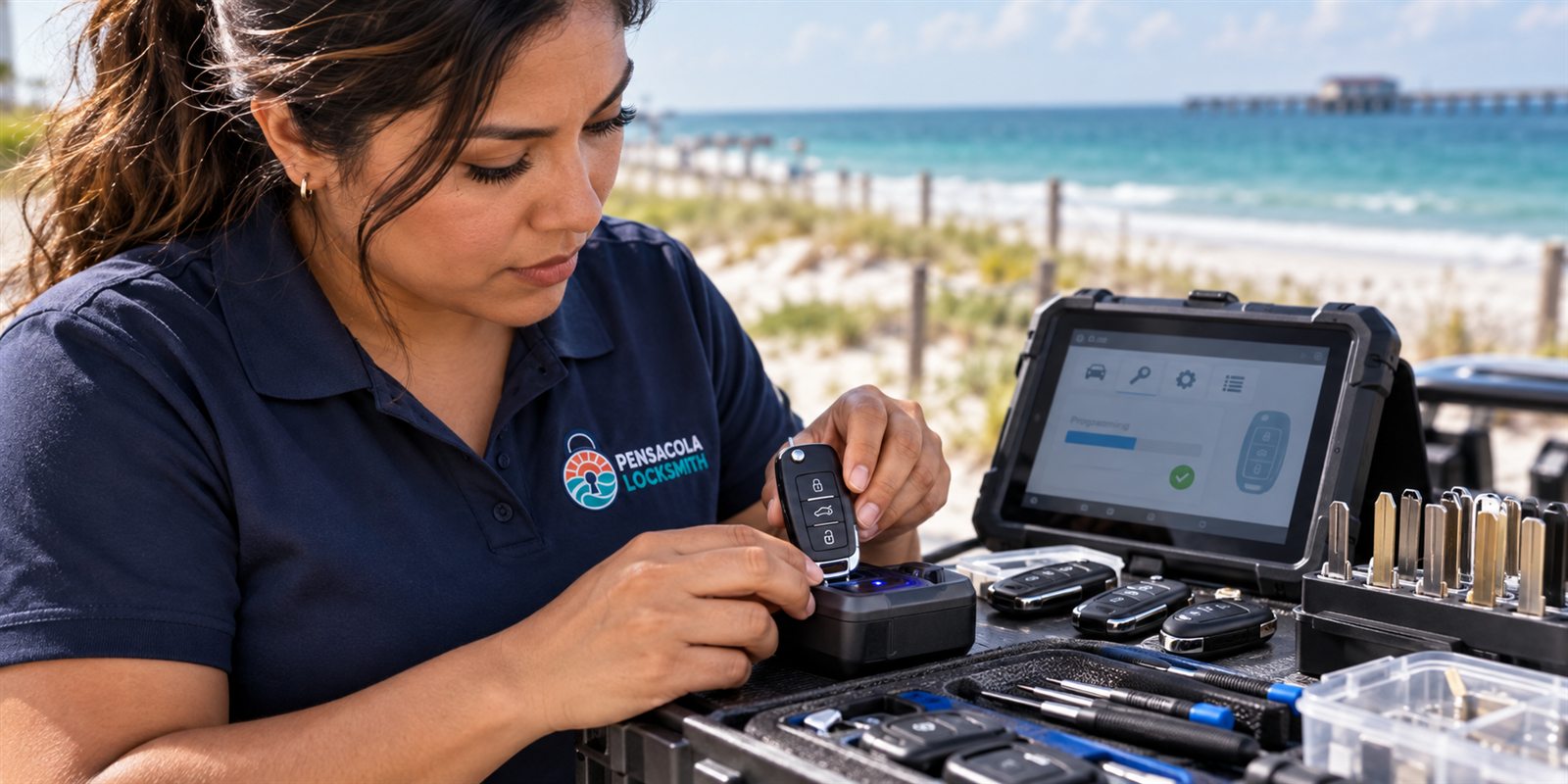
Give the model, the approximate year and the type of ignition. Say how many keys you have and whether the car is locked. Mention if a key is broken, cracked or soaked. These facts guide the technician to the right blanks and tools.
The vehicle identification number is critical. It is found on the dashboard at the windshield and on a plate in the driver door jamb. Mercedes-Benz key data is tied closely to the vehicle, and the VIN allows the technician to identify the key family and the security approach.
Tell the technician where the car is. A home driveway, a garage, a street space and a lot at the beach all offer different working conditions. The car should be accessible at the driver door and have enough room for equipment.
If you are the second owner, mention it. Used vehicles sometimes have keys that were replaced or programmed by earlier owners, and the history can affect the plan.
Ownership and authority, before anything else
The locksmith checks ownership or authority before opening, cutting or programming any Mercedes-Benz key. A photo ID and a matching registration or title are the standard documents. Leased or financed vehicles may show another name, and additional paperwork may be needed.
These vehicles are common targets for theft, and responsible technicians are firm about proof. If you feel the questions are repetitive, remember that they exist to keep your car yours. Honest owners lose nothing by cooperating.
For vehicles owned by a company or a relative, bring written authority or arrange a call from the owner. A short note on letterhead or a message from the registered owner can resolve most situations.
If the paperwork is not available, the technician may need to decline until it is. That may be inconvenient, but it is the correct outcome.
Making a key from an existing one
When one working key exists, making another is the simpler path. The technician reads the key, selects a matching blank and cuts the blade. Then the new key's electronic identity is introduced to the car using diagnostic equipment, with the existing key helping authorize the process on some models.
Even with a working key, the process takes care. The cut must match, the electronics must be accepted and the remote functions must work. The technician tests the key in the door, the ignition and the trunk if a separate lock exists.
Ask about adding two keys instead of one. It is often more efficient to program a pair at once, and having a spare tested and stored away protects you from repeating the process later.
Bring the working key and any other keys to the appointment. In some systems the keys are written to together, and a key left at home may need separate attention.
When no key remains
All keys lost on a Mercedes-Benz is a heavier job. The technician must establish a connection with the car's security system and read the data needed to create a new key. Depending on the model, that may involve the ignition switch, a control module or other components.
Some situations can be solved at the roadside. Others need the technician to inspect the vehicle first, and a visit may be required before a firm quote can be given. The service call charge is explained before dispatch.
Be prepared for a longer process. Modern security systems include delays and verification steps. The technician will walk you through them so you are not left guessing.
If the situation turns out to be beyond what can be done at the curb, the technician will say so. They can then explain what the alternatives are and what each would involve.
What the technician checks before touching the ignition
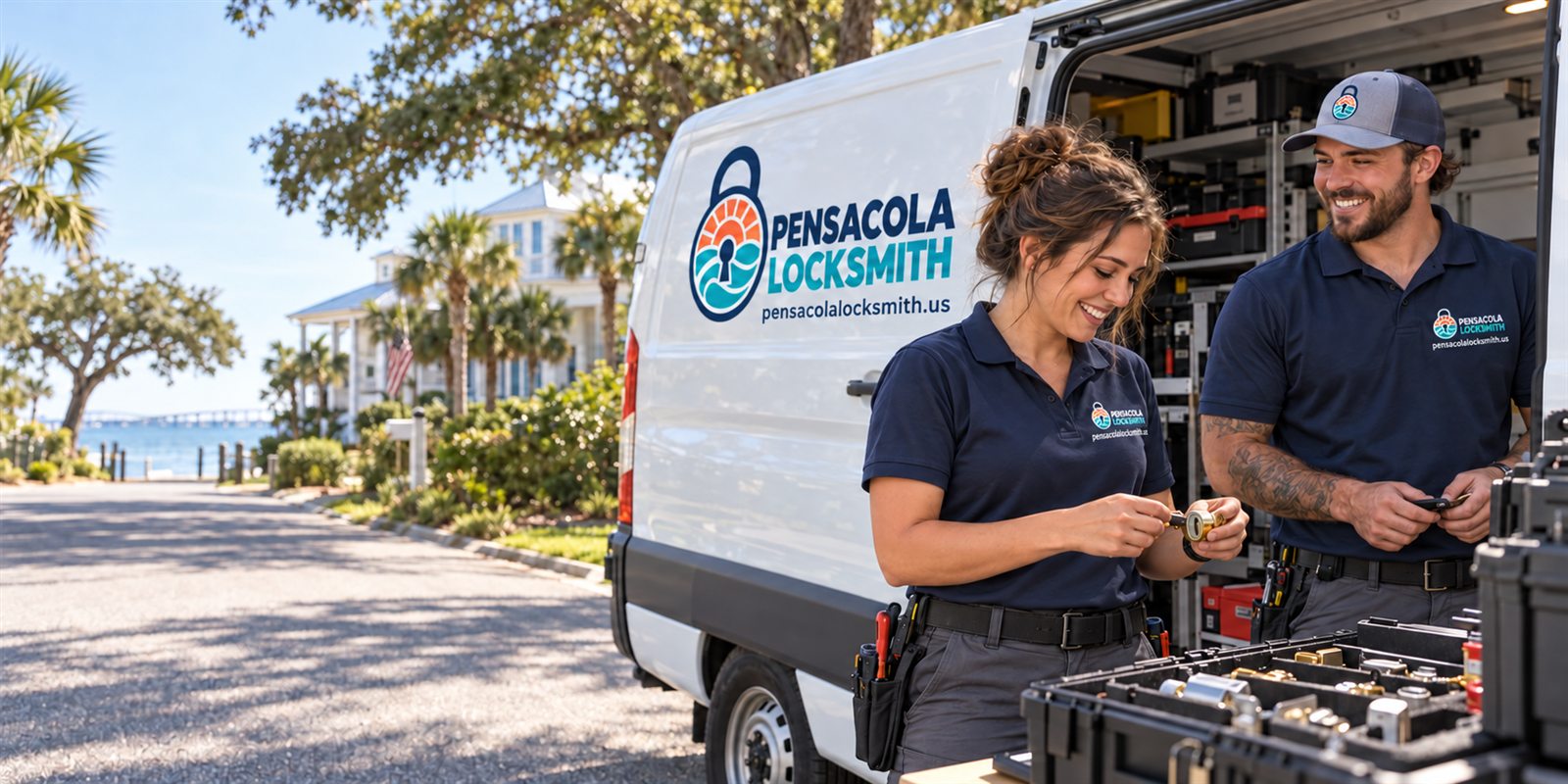
Before any programming begins, a careful technician does a short survey of the vehicle. The battery voltage is checked, because security work needs steady power and a tired battery can corrupt a write. The dash is observed with the ignition on, looking for warning lights, key symbols and messages that hint at the state of the security system.
The technician also looks for signs of earlier work. Aftermarket alarms, tracking devices, remote starters and spliced wiring near the steering column can interfere with communication. If something is present, the technician may need to bypass it temporarily or plan around it, and will tell you what was found.
The data port is inspected too. Pins that are bent, corroded or filled with debris can drop communication in the middle of a session. A quick look and clean is cheap insurance. Tell the technician if anything has been plugged into the port, such as an insurance monitoring device or a diagnostic dongle.
Only after these checks does the real work start. The survey may take a few minutes, and it can feel slow when you are waiting. It is the reason jobs finish properly instead of halfway, and it is usually where a technician with experience earns trust.
Smart keys and keyless entry
A Mercedes-Benz smart key lets you unlock the doors by touching the handle and start the engine with a button or a dial. The car continuously looks for the fob inside the cabin, and it will warn you if the fob is left outside after the engine starts.
Because the car senses the fob by radio, interference can cause odd behavior. Phones, other fobs and metal pouches can occasionally disrupt the signal. If the car cannot find the key, try moving the fob away from other devices and holding it near the start control.
A weak battery is the usual cause of trouble. Many cars offer a backup position where the fob can be held against a specific spot so the engine starts even if the battery is low. Learn where it is in your car.
The technician can replace the battery on site, test the fob and check the emergency blade. If the electronics are damaged or water-affected, they will tell you honestly whether a repair is realistic.
- Learn the backup position for a weak fob
- Keep the fob away from other devices when the car cannot find it
- Replace the battery when a warning appears
- Never leave the emergency blade loose in a bag where it can be lost
Wear on the blade and the ignition
The mechanical blade of an older Mercedes-Benz key sees constant wear. Over years of use, the edges round off and the key slowly stops turning the lock cleanly. The same wear affects the ignition switch, and worn keys can wear the switch in return.
If your key is badly worn, avoid copying it. A copy of a worn key reproduces the wear, and the result will not work as smoothly as it should. The technician may instead cut from code, using the vehicle information, to produce a sharp, accurate blade.
A key that feels sticky or loose in the ignition is a warning sign. It may point to dirt in the cylinder, a worn blade or an ignition on its way out. Describe the feel to the technician.
A very worn ignition switch is not a key problem, and a new key will not cure it. The technician will separate these issues and let you know if the switch or the lock needs attention.
Salt, heat and moisture along the Gulf Coast
Mercedes-Benz fobs include sophisticated electronics, and Pensacola's environment is demanding. Salt air, high humidity and strong sun all age plastic and attack contacts. A fob that sits in a hot car or gets wet at the beach is under real stress.
Prevention is easy. Keep the fob in a bag or a pocket, away from the dashboard. Use a protective pouch near water. If it gets wet, remove the battery, dry it and have it checked before trusting it.
Door locks on older vehicles also suffer from humidity. A stiff lock may need cleaning, and a dry lubricant can keep it moving. Avoid thick oil, which attracts dust and sand.
Hurricane season brings its own advice. Gather your keys with your documents, keep them dry and keep a spare where you can reach it. A missing key during an evacuation is a hard problem to solve.
What you can do to make the job smoother
A few simple preparations help a great deal. Have your photo ID and registration or title within reach. Clear the area around the driver door, and if the car is in a garage, make sure the door is open and the space is lit. Gather every key, fob and piece you still own, including ones that no longer work.
If the battery has been struggling, mention it. A car that has sat for weeks, or that has shown slow cranking, may need a jump or a charge before programming. The technician can bring a power supply, but a healthy battery makes the session steadier and quicker.
Resist the urge to keep trying. Repeated start attempts, pulling fuses or pressing buttons in odd sequences can put some systems into a longer security delay or trigger alarms. Stop, note what the dash shows and call. The details you write down are often more useful than anything you tried.
Last, decide how many keys you want. Two is a sensible number for most households. If more drivers use the car, discuss it with the technician, who can add the keys during the same session and advise on how to keep track of them.
Visitors, students and military households
Pensacola sees many short-term visitors and temporary residents. A rental or borrowed Mercedes-Benz with a lost key requires the owner's authority, and getting that quickly is the biggest factor in how fast the problem is solved. Contact the owner or rental provider first.
Students and young drivers sharing a car may lose track of who holds which key. A shared vehicle should have a clear list of keys, and the owner should know when one goes missing. Removing lost keys from the car's memory is a sensible step.
Military families who relocate often buy and sell cars on a tight timeline. A used Mercedes-Benz with a single key is a common result. Making a spare soon after purchase avoids trouble.
Whatever the situation, honest communication with the technician makes the work easier. Tell them who owns the car, who is present and what documents are available.
Limits, tradeoffs and honest expectations
Mobile service can handle most Mercedes-Benz key situations, but not all. Some systems rely on data or components that need bench work. The technician will say so as soon as the facts are clear, rather than making promises that cannot be kept.
There is also a tradeoff between speed and care. Rushing a key can create a lockout or a key that fails later. A technician who tests thoroughly and explains each step is doing the job the right way.
A new key will not fix unrelated faults. A weak battery, a failing ignition switch or a damaged control module can mimic key trouble. The technician will identify the real cause and point you toward the right repair.
When you are comparing options, ask for plain explanations and clear steps. A reliable provider welcomes the questions.
How the visit works from start to finish
Call us and describe the vehicle and situation. Routine jobs are quoted by phone. Please call to confirm availability for your location. For complicated jobs, a technician may need to visit first, and the service call charge is explained before dispatch.
On site, the technician checks ownership or authority, inspects the vehicle and explains the plan. The work follows in stages: preparing the key, cutting, connecting, programming and testing.
When the job is done, test everything. Start the engine more than once, press every button, use the emergency blade in the door and confirm the dash is clear of warnings.
Add a spare in the same visit if you can. Store it away from the car, test it every few months and replace its battery on schedule.
Common questions
Can a locksmith make a Mercedes-Benz key without taking the car away?
Often yes. The technician checks ownership, prepares a key, cuts the blade if needed and programs the key to the car at your location. Some situations, such as all keys lost or damaged modules, may need an inspection first or more specialized work. We will explain what applies.
What is the difference between the older and newer key styles?
Older styles use a shaped blade in an ignition with an infrared remote, while newer ones use radio signals and often support keyless entry and push-button start. Each requires different blanks and programming steps, so the technician identifies which one you have first.
Can I use a cheap online key?
It is risky. Keys of unknown origin may not be compatible, and failed programming attempts can sometimes lock a vehicle's security system. A locksmith who supplies and programs the key can test it and stand behind the process. Describe what you have when you call.
Do you need to see documents?
Yes. A photo ID and a registration, title or similar proof are checked before opening, cutting or programming. For company, leased or family vehicles, written authority or a call from the owner is needed. This protects every owner from key theft.
How are costs set?
They depend on the key type, whether any key remains and what programming the vehicle needs. Quotes are given by phone for routine jobs. If a complicated job needs a visit first, the service call charge is explained before dispatch. Call us to confirm availability.