
Content note: this page was written by Claude (AI) for Pensacola Locksmith.
A different idea of what a key is
In a typical vehicle, the key is a shaped piece of metal with a chip. In this kind of electric vehicle, the key is closer to a digital credential. The vehicle can recognize several kinds of credential at once: a thin card that you tap against the door pillar, a small fob that sends signals when you approach, and a phone that uses a short range wireless link. Each is registered to the vehicle individually.
This design has advantages. There is no cylinder to wear out and no blade to cut. A phone you already carry can act as the key, so a lost key is less likely. But it also changes what happens when something goes wrong. If your phone dies and your card is at home, the vehicle can feel unusually unhelpful. Knowing your options beforehand makes those moments much easier.
It also changes what a locksmith contributes. The traditional skills of cutting blades and picking locks are not the center of the work. Instead, the useful services are careful vehicle entry when it is truly necessary, help with physical fob problems, guidance on what to do next and honest advice about the limits of on site key work. This page explains each of those in turn.
Cards, fobs and phones: how each one works
The key card is a flat card carrying a short range chip. You hold it against a marked area on the vehicle's body, usually on the door pillar, and the vehicle recognizes it. A card is also used to authorize new credentials in some situations. Cards are sturdy but can be bent, soaked or left in a wallet that gets lost. They have no battery to fail.
The fob is a small device that the vehicle detects as you walk up. It has a battery, and like any battery it eventually weakens. A fob is a convenience that many owners like because the buttons feel familiar. Its case can crack, its buttons can wear and the electronics can suffer from water, just like any other fob. Some owners carry one as a spare to a phone.
The phone key uses a wireless link between your phone and the vehicle. It depends on the phone's battery, its software and an account connected to the vehicle. If you change phones, reset an account or run out of battery, the phone may stop working as a key. That is why having a physical card or fob somewhere safe is wise even if you normally use the phone.
- Key card tapped on the door pillar
- Small fob with buttons
- Phone paired through an owner account
- Backup methods described in the owner's manual
What a locksmith can honestly do
Let us be plain about it. The security of these vehicles is tied closely to the maker's own systems and to the owner's account. Adding or removing credentials is often done through the vehicle's touchscreen by someone already authenticated, and in some cases through the maker's service channels. A general locksmith may not have the access to enroll a new credential from nothing.
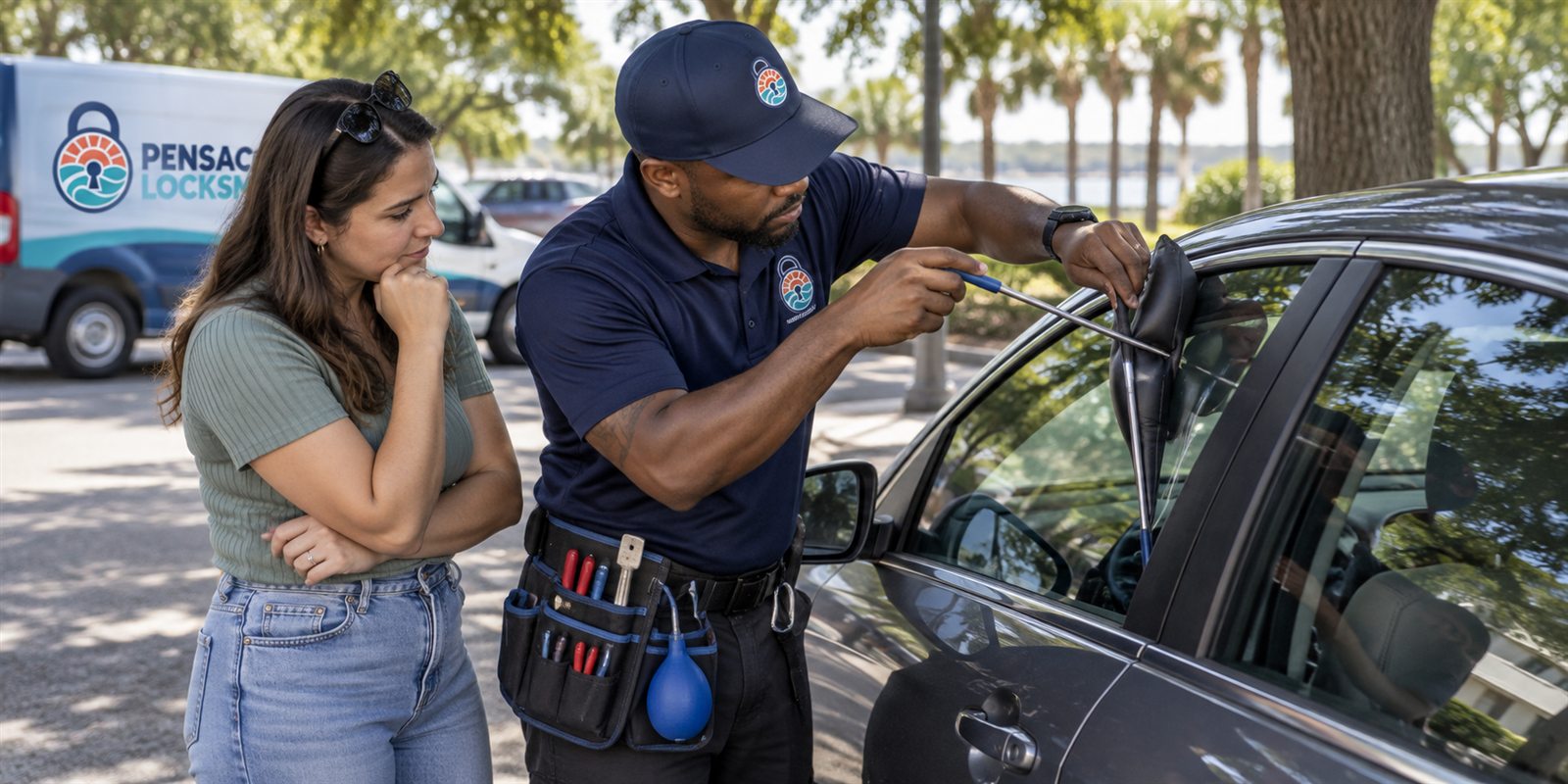
What we can often do is the physical side. If you are locked out in a situation that truly requires entry, a technician can assess whether the vehicle can be opened without damage and whether that is appropriate. If a fob shell is cracked, a battery needs changing or a button is worn, a technician can inspect it and say whether repair is worthwhile.
We can also help you think through your options. If you have lost every credential, we can explain who to contact and what documentation to gather. If you have a working credential and want a spare, we can explain how the vehicle usually adds one. We would rather give you correct direction than promise a service that might not work. Call us to describe your situation and to confirm availability.
Adding a spare when you still have one working credential
If you have a working card, fob or phone, adding another is usually something you can start yourself from the vehicle's touchscreen. The vehicle asks you to hold the existing credential against the pillar to prove you are present, and then to present the new one. The details change with software updates, so your owner's manual or the on screen help is the reliable guide.
We mention this because it is often the best advice, and it costs little effort. Many owners do not realize they can add a spare themselves. If you would like to have someone with you while you do it, or if you are unsure about the steps, a technician can talk you through it, although the vehicle itself decides what is allowed.
After adding a new credential, test it thoroughly. Lock the vehicle, walk away and return. Tap the card, try the fob buttons, check the phone link. Verify that the vehicle starts. Keep the new credential in a different place from the first one. A spare kept in the same wallet as the main card is not much of a spare. Choose a home drawer or a trusted person.
When every credential is gone
If your card, fob and phone are all unavailable, the vehicle can feel locked in a very modern way. There is no hidden spare cylinder in many versions, and the vehicle will not simply accept a stranger's device. The usual path involves proving your identity and ownership to the maker through its channels, then having new credentials enrolled to the vehicle.
That path takes preparation. Gather your registration or title, your identification and any account details you can recall. If the vehicle is parked somewhere inconvenient, consider arranging safe transport or storage while you resolve the access problem. Ask whoever handles the process what documents they require, so you do not make several trips.
A locksmith can help around the edges, by checking whether there is a physical backup method on your vehicle, by explaining what the owner's manual offers, and by being honest if our equipment cannot reach your vehicle's system. Where we are unable to enroll a credential ourselves, we will tell you so at the start. Complicated cases may require a technician visit, and the service call charge is explained before dispatch.
Physical problems with a fob or card
Even a digital credential is a physical object. A fob's battery weakens, its case cracks, its buttons wear. A card bends in a wallet or is exposed to heat on a dashboard. Often the symptom is range: the vehicle responds only when the credential is nearly touching the door. That points to a weak battery in a fob, or to a damaged chip in a card.
A technician can open a fob carefully, replace the battery and test its signal. Opening some fobs requires patience, because the case seams are tight and a clumsy pry cracks the plastic. If the case is already damaged, a replacement shell may be an option, though the electronics inside must still match the vehicle. We will tell you if the fob can be saved.
A damaged card is more difficult. A card with a bent chip or a cracked layer may not be reliable, and a card cannot be repaired in a practical way. In that case, adding a new credential through the vehicle is the answer. Keep a record of what credentials your vehicle recognizes, so you can remove any lost or damaged ones from its list.
Getting into the vehicle when access fails
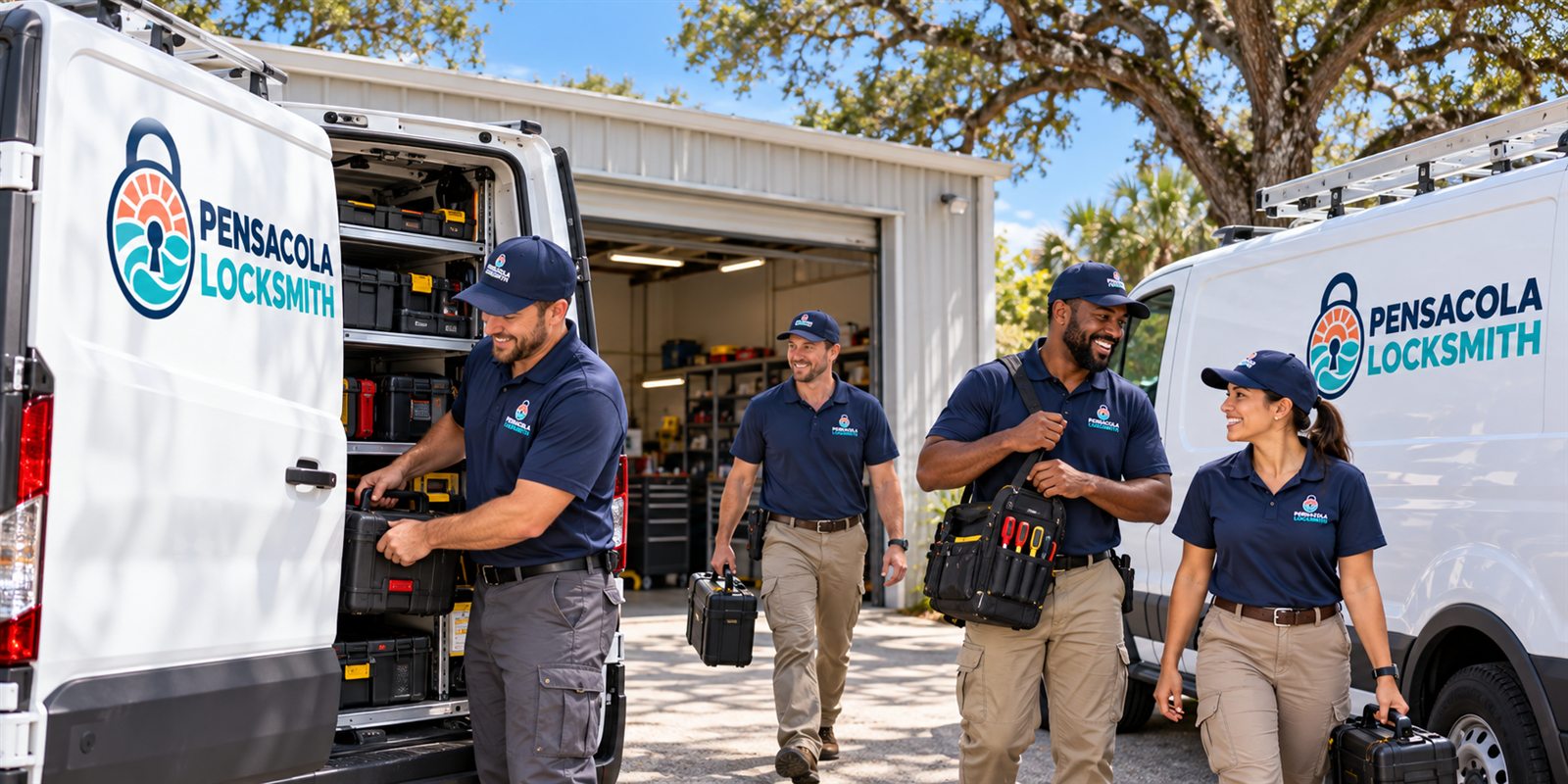
Sometimes the vehicle will not let you in even though you hold a working credential. The phone might be dead, the vehicle's low voltage battery might be depleted, or the door sensors may be iced or dirty. Check the simple things first: try the card, try the fob, and look at your phone's battery and wireless settings. Try approaching from another door.
If the vehicle's small battery has run flat, the doors may not respond at all. Owner's manuals describe emergency procedures, often involving a hidden access point at the front of the vehicle, so that power can be applied from an external source. These procedures differ among versions and are best followed from the manual or the maker's guidance. Do not force panels open without instructions.
If you decide you need help with entry, a technician considers the safest approach. Modern electric vehicles have sensitive wiring and sensors, and damage is expensive. We check ownership before any entry. Because of the care required, we may recommend consulting the maker's guidance first. Call us and describe exactly what happens when you try to open the vehicle.
Heat, rain and salt: protecting small credentials
Pensacola's weather tests small electronics. Heat from a parked vehicle can reach high levels inside, and a fob or card left on a dashboard may suffer. Salt air creeps into the tiny gaps of a fob and leaves residue on contacts. Rain drenches phones and cards. Plan for all of this by carrying credentials in a sealed pocket or case when you visit the beach.
A phone in a waterproof pouch at the beach keeps the key function alive after a swim, but remember that a wet phone is a poor key. Many owners prefer to leave the phone with a friend and carry a card in a sealed bag instead. Think about which credential is most robust for the activity.
Hurricane season introduces another consideration. If you plan to evacuate, store a spare credential somewhere safe and dry. If you leave the vehicle behind, make sure someone you trust can access it if necessary. Prepare ahead of time, and do not wait for a storm warning to discover that your only credential is on a phone that has no charge.
Buying or selling and the question of old credentials
When you buy a used electric vehicle, the previous owner's credentials may still be registered. Before you take it home, ask the seller how the vehicle will be transferred out of their account and how old credentials will be removed. You want a vehicle that recognizes only credentials you hold. This is a security matter as much as a convenience one.
When you sell, the same applies in reverse. Remove your phone and any cards from the vehicle's list, and hand over every physical credential. Tell the buyer how many exist. Do not leave a card in the glove box and forget. It helps both parties to confirm that the vehicle belongs only to the new owner's account.
If you are unsure how to check, a technician can talk you through what is typical, though the vehicle's own screens are the final word. We cannot reach into a maker's account system, and we will not pretend to. Honest guidance helps you finish a sale or purchase with confidence. Call us if you have a question about this stage.
Planning ahead so you never need rescue
The best plan for any key system is redundancy. Keep at least two different kinds of credential, for example a card and a phone, or a fob and a card. If one fails, the other gets you moving. Store the second in a place that you can reach even when your usual items are lost, such as a home drawer or a trusted person's house.
Make a short checklist. Do you know how to start the vehicle if the phone dies? Do you know where your registration is? Does a family member know where the spare card lives? Have you read the owner's manual section on emergency access? Answering these questions takes a few minutes and spares a great deal of stress.
Finally, know your contact options. Keep the number of a locksmith you trust, along with the vehicle's identification number and your ownership documents. If something does go wrong, you can describe the problem clearly. We will tell you what we can do, what we cannot, and who else might help. Call us anytime to talk it through and confirm availability.
Charging stops, parking garages and other places keys get lost
Electric vehicle owners spend time in places that other drivers do not, such as charging stations, which are often in shopping lots, hotel parking areas and highway rest stops. You step out, plug in, walk to a shop and return. Along the way a card slips out of a pocket or a phone is left on a counter. These small moments are where credentials most often go missing.
A sensible habit is to check for your credential before you walk away from the vehicle, every time. Touch your pocket, confirm the phone is in hand. It feels like overkill until the day it saves you from a long wait. If you carry a card, consider a lanyard or a wallet slot that keeps it from sliding out when you sit or stand.
If you do lose a credential away from home, remove it from the vehicle's list as soon as you can, using whatever access you still have. This prevents anyone who finds it from using it. Then plan how to replace it. We can discuss the steps by phone and tell you honestly which parts we can help with and which belong to the maker's process.
Common questions
Can a locksmith program a new Tesla key card or fob?
Often not from nothing. These vehicles tie credentials to the vehicle and the owner's account, and adding one is usually done from the touchscreen by an authenticated owner or through the maker's channels. We will tell you honestly what applies to your situation. Call us and describe what you have and what is missing.
Can you help if I am locked out?
Possibly. First check your card, fob, phone battery and the owner's manual for emergency steps. If entry is truly needed, a technician checks ownership and assesses the safest approach, because these vehicles have sensitive wiring. Call us to describe the problem and to confirm availability.
Can I add a spare card myself?
Usually yes, if you have one working credential. The vehicle's touchscreen walks you through holding the existing credential against the door pillar and then presenting the new one. Steps can change with software updates, so follow the screen and the owner's manual. A technician can talk you through it.
What if my fob battery is weak?
Range shrinking so that the vehicle responds only at very close distance is the usual sign. A technician can open the fob, replace the battery and test its signal. If the case is cracked or the electronics are damaged, we will tell you honestly whether repair is worthwhile or a new credential is needed.
Do you check ownership for these vehicles?
Yes. We check ownership or authority before opening or doing any key related work. Expect to show identification and a registration or title. If the vehicle belongs to a business or family member, tell us when you call. If the job is complicated, the service call charge is explained before dispatch.