
Content note: this page was written by Claude (AI) for Pensacola Locksmith.
What a latch is actually asking for
A latch is a spring-loaded tongue in the edge of the door. When you close the door, the angled face of the tongue slides over the strike plate on the frame, pushes in, and then springs out again into a hole behind the plate. That springing action is the click you hear. If the tongue cannot find the hole, or cannot spring out fully, the door stays unlatched.
This means a door can fail to latch for only a few reasons. The latch itself may be stuck or broken. The strike hole may be in the wrong place. The door may be sitting too high, too low, too far out or too far in. Or something may be in the way, such as paint, a swollen edge or a bent plate.
Seeing it this way keeps the diagnosis calm. You are not looking for a mysterious lock failure. You are looking for the reason a small tongue cannot meet a small hole. A pencil mark, a careful look and a few minutes of patience will usually reveal where the mismatch is, and from there the fix is straightforward.
Reading the marks on the strike plate
The strike plate keeps a record of every time the latch has hit it. Look at the metal around the opening and you will usually see a polished or scratched area where the latch has rubbed. If those marks sit above or below the hole instead of in the middle, the latch is missing its target in that direction.
A well-known trick is to dab a little lipstick, chalk or a bit of soft marker on the tongue of the latch and close the door. When you open it again, the mark will show where the tongue touched the strike. If the mark is high, the door is sitting low, and the reverse is also true. This takes no special tools and tells you plenty.
Also look for paint buildup. A strike plate that has been painted over, with the opening partly filled, can stop a latch from going home. So can a plate whose screws have loosened, letting it tilt. If the plate wobbles, tighten it first. Sometimes that alone is enough to bring the door back to normal.
Hinges and the sagging door
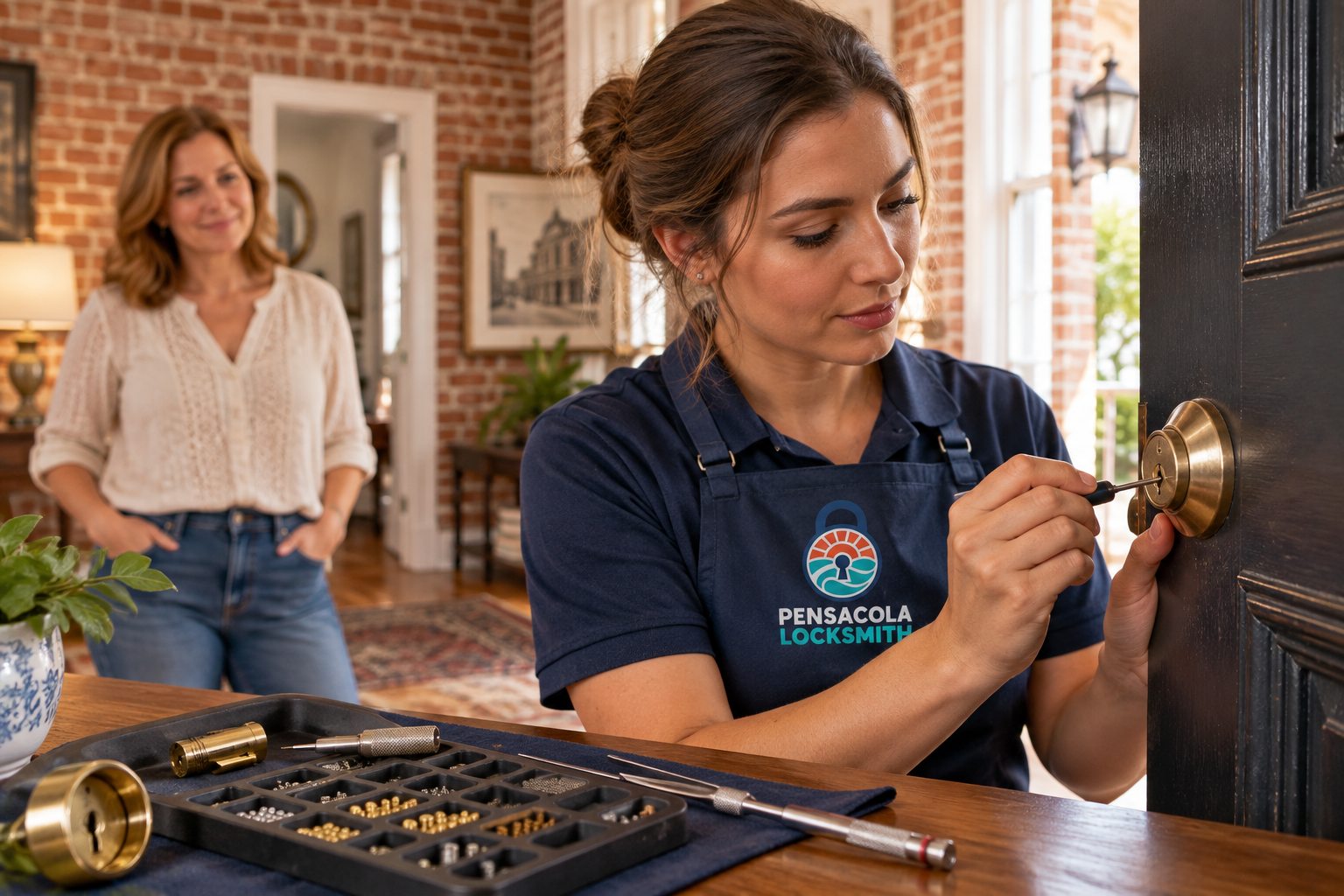
Doors are heavy, and gravity never takes a day off. Over the years, hinge screws work loose, the wood around them wears, and the door slowly drops. The top corner on the latch side begins to rub the frame, and the latch ends up lower than the strike hole. You may notice the door sticking at the top corner before it stops latching.
Check the hinges by opening the door halfway and lifting the handle end gently. If the door moves or you see the hinge plates shift, the screws are loose. Tighten them. If the screws spin without gripping, the holes are stripped. A common repair is to replace one screw in each hinge with a longer one that bites into the wall stud behind the frame.
This simple step fixes a surprising number of doors. If the door still hangs crooked after the hinges are snug, the frame may have moved, or the hinges may be bent. At that point, the technician or a carpenter looks at shimming the hinges, adjusting the strike, or planing a small amount from the door.
Humidity, swelling and the Gulf Coast climate
Wood doors and frames swell when the air is humid and shrink when it dries. Along the Gulf Coast, the swing between a humid summer and a cooler, drier winter can change how a door fits. A door that latched all spring may begin to stick in July, and the same door may rattle loose in January.
Swelling typically makes the door press hard against the frame, so the latch tongue meets resistance as it tries to enter the strike hole. You may need to lean on the door or slam it to get it to catch. That abuse wears the latch and the frame. A better approach is to find where the swollen edge touches and relieve it.
Sealing exposed wood helps over time. Bare edges at the top and bottom of a door absorb the most moisture. A coat of paint or sealant on all six sides of the door, including the top and bottom, reduces seasonal movement. If the door has been swollen for a long time, a small amount of sanding or planing may be needed before the latch can work reliably.
A latch that is worn, dirty or stuck
Sometimes the latch itself has failed. Inside a typical knob or lever set, the latch tongue is held out by a spring. Over time, the spring weakens, the tongue sticks inside its housing, or grime stops it from moving. A latch that does not spring fully out will not hold the door, even if the alignment is perfect.
Test it by pressing the tongue with your finger while the door is open. It should push in smoothly and snap back out at once. If it moves sluggishly, sticks halfway or hangs inside the door, the latch needs cleaning or replacement. Salt air and humidity can corrode the spring and housing, particularly in doors that face the water.
Replacing a latch is usually a straightforward job. The technician removes the knob or lever, slides out the old latch, fits a new one of the same size and backset, and checks the action. In some cases, the whole lock set is worn, and replacing it all together makes more sense than patching one part.
Strike repositioning and enlarging the opening
When the door has settled into a new position and cannot easily be moved back, the strike plate can be moved instead. The technician removes the plate, marks where the latch actually lands, and cuts the frame to match. The old screw holes are filled, a new mortise is cut, and the plate is reinstalled at the corrected height.
Sometimes only a small change is needed. A strike hole that is slightly too small can be enlarged with a file or a chisel. A plate that is slightly too high can be adjusted with new holes. These changes are modest, but they require a careful hand to avoid weakening the frame or leaving ugly gaps.
There are adjustable strike plates that offer a little play in position. These are handy when the door moves seasonally. They are not right for every door, and they must be installed securely. The technician considers the door material, the lock type and the weather exposure before deciding whether an adjustable plate makes sense.
Doors that latch but do not stay shut
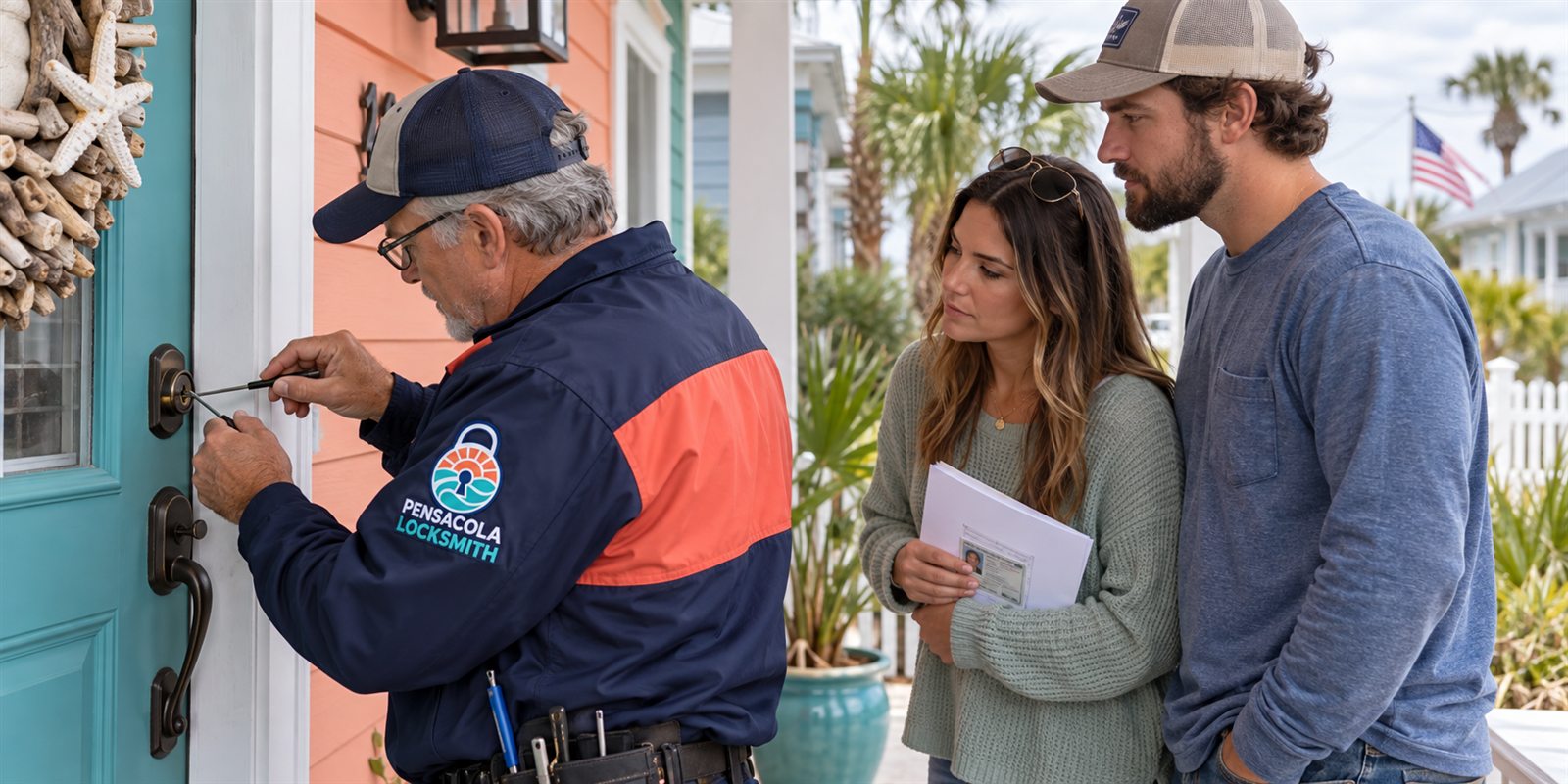
A related complaint is the door that latches and then drifts open later. This often happens when the latch catches only the edge of the strike hole, or when the house has air pressure differences that push the door. A tight air conditioning system, a strong breeze or an open window can pull a poorly latched door loose.
Check how deeply the latch tongue enters the hole. It should go in nearly its full length. If the strike is set too far back, the tongue only just catches. If the door moves in and out slightly within the frame, there may be too much play between the door and the stop. A thicker stop or a small adjustment fixes this.
Weatherstripping can also push a door open if it is too thick or poorly installed. The compressed seal acts like a spring, forcing the door away from the frame. A latch that works fine on a bare frame may fail once a seal is added. Adjusting the seal or the strike can bring things back into balance.
Different kinds of doors, different quirks
Interior doors use light latches and lightly built frames, so small shifts matter. Exterior doors are heavier, with deadbolts and sometimes multiple points of contact. A front door may have a deadbolt that depends on the latch holding the door in position, so a latching problem can affect the security of the whole door.
Older homes in the area, including historic ones, may have doors that were hung long ago and have moved a lot since. Their frames may be out of square, and the original hardware may be mortised into the door. Repairs on these doors need a gentle touch, since the wood is old and the hardware may be hard to replace.
Sliding glass doors and patio doors have their own latching mechanisms, usually a hook or a spring latch that engages a keeper on the frame. These can fail from dirt in the track, worn rollers that let the door sag, or a bent keeper. The causes are different, so tell the technician what kind of door you have.
Why a door that will not latch is also a security issue
A door that does not latch is a door that does not lock. Even if the deadbolt works, a door that is not fully closed cannot be secured, and a door that rattles in the frame is easier to force. Leaving a door half-shut because it will not latch is a risk, particularly at night or when the home is empty.
During storm season, an unlatched door is more than a security worry. High winds can pull an unlatched door open and let rain and debris into the house. If you are preparing for a storm, check that every exterior door latches firmly, and that the strike plates are secured with long screws that bite into the framing.
If you cannot fix the latch right away, secure the door in a temporary way, such as with a chain, a bar or by locking another door. Then arrange for a repair. We check ownership or authority before work on a lock or door, and we can discuss adding stronger strike plates or other upgrades while we are there.
What to expect during a visit
The technician starts by watching the door close and by looking for rubbing, gaps and marks. They test the latch by hand and check the hinges. They may close the door with a thin card or a marked latch to see where it lands. This takes little time and gives a clear picture of the problem.
From there the repair follows the cause. It might be tightening hinges, moving or enlarging the strike, replacing a latch or adjusting the door. If the door needs significant carpentry, the technician will say so and explain what can be done on site. We handle lock-related work, and we are honest when a job belongs to a carpenter.
Quotes are given by phone after you describe the door and the symptoms. If the job is complicated, a technician visits and the service call charge is explained before dispatch. Please call to confirm availability, tell us whether the door is interior or exterior, and say whether it started recently or has been slowly getting worse.
Keeping a door latching well
Good habits keep doors working. Close the door gently so the latch is not hammered against the strike. Avoid hanging heavy items such as bags or decorations on the door, which add weight to the hinges. Wipe the latch tongue clean now and then and apply a little dry lubricant.
Walk through your home once a season and test every door. Does it close with one push? Does it rub anywhere? Does the latch click firmly? Catching a small problem early is easier than repairing a stuck or damaged door later. In humid months, pay particular attention to doors that face the weather.
Finally, keep the hinges tight and the strike plates secure. These small parts carry a lot of load. A few turns of a screwdriver each year can prevent most sagging doors. When something does fail, describe it in plain terms to the technician. What you notice, and when, is often the best clue to the cause.
Rental properties, tenants and shared buildings
Vacation rentals and long-term rentals around Pensacola see a lot of door traffic. Guests arrive with luggage, kids push doors with their shoulders, and doors get slammed in a hurry on the way to the beach. Latches and strike plates in these homes wear sooner, and a door that fails to latch can leave a guest unable to secure the unit.
If you rent, report the problem to the owner or manager before arranging work, since the door is part of the property. We check ownership or authority before opening, rekeying or changing any lock or latch, so be ready to say who has the right to approve the repair. A short message from the owner is often enough.
For property managers, a quick latch repair between guests is far better than a complaint during a stay. Tell us how many doors you want checked in one visit, and we can look at the latches, strikes and hinges together. A single trip that covers several small issues is easier on your schedule.
Common questions
Why does my door bounce back instead of latching?
Usually the latch tongue is not lining up with the strike hole, or the latch spring is weak. Hinge sag, swelling from humidity and a tilted strike plate are common causes. Checking the marks on the plate and testing the latch by hand shows which one it is.
Can humidity really stop a door from latching?
Yes. Wood absorbs moisture and swells, which changes how the door fits the frame. On the Gulf Coast this can happen seasonally. The door may stick in summer and loosen in winter. Sealing the door edges and adjusting the strike can help.
Can I move the strike plate myself?
Small adjustments, such as tightening screws or filing a slightly tight opening, are within reach for many people. Moving the plate requires cutting the frame, and a poor job can weaken it. If you are unsure, a technician can handle it cleanly.
Is a door that will not latch a security problem?
Yes. If the door cannot close fully, the deadbolt cannot do its job and the door is easier to force. Secure it temporarily and arrange a repair. We check ownership or authority before working on locks, and we can suggest sturdier strike plates and screws.
How do I get a quote?
Call us and describe the door and what happens. Quotes are given by phone. If the job is complicated, a technician visits and the service call charge is explained before dispatch. Please call to confirm availability for the day you want.