Content note: this page was written by Claude (AI) for Pensacola Locksmith.
Start with your lease and your landlord
Your lease is the first place to look. Many leases say who controls the locks, whether tenants may change them, and whether the landlord must keep a copy of every key. Some leases forbid any change without written consent. Others are silent, which leaves room for a conversation. Reading carefully before you act avoids disputes later.
Landlords usually have good reasons for caring about locks. They may need access for repairs or emergencies, and building rules or insurance may influence what is allowed. At the same time, tenants have a reasonable interest in feeling safe. A polite written request that explains what you want and why is often well received.
This guide shares general principles, not legal advice. Rules differ by situation, and only a qualified professional can interpret your contract or local law. If a dispute arises, tenant organizations, legal aid offices or an attorney can help. A locksmith can talk about hardware and process, and we check ownership or authority before any work, which in a rental usually means the landlord or manager.
Keep a log of your communications with the landlord about locks and repairs. Dates, short summaries and copies of messages create a record that helps if misunderstandings arise. Use email or the tenant portal when possible rather than phone calls alone, since writing leaves a trail for both sides.
Moving in: who else has a key
When you move into a new rental, you cannot know how many keys exist for your door. Previous tenants, maintenance staff, cleaners, agents and contractors may all hold copies. That does not mean anyone will misuse them, but a sensible renter asks whether the locks were changed or rekeyed between tenants.
Many landlords do rekey between tenants as standard practice. Ask the manager directly. If they have not, you can request it politely, and many will agree, especially if you offer to coordinate timing. Rekeying is quick and does not change the look of the lock, which often makes it an easy request to approve.
If the landlord declines, ask about their key policy: who holds keys, how they are stored and when they may enter. Knowing the answers helps you decide what additional steps to take. Do not change the lock yourself without permission, because doing so could breach your lease and create problems when you move out.
Know the difference between an emergency and a routine request. A broken lock on your front door that leaves the unit unsecured is urgent, and you should tell the landlord immediately. A stiff lock that still works can usually go through a normal maintenance request. Clear labeling helps the office respond appropriately.
Getting a lock changed or rekeyed the right way
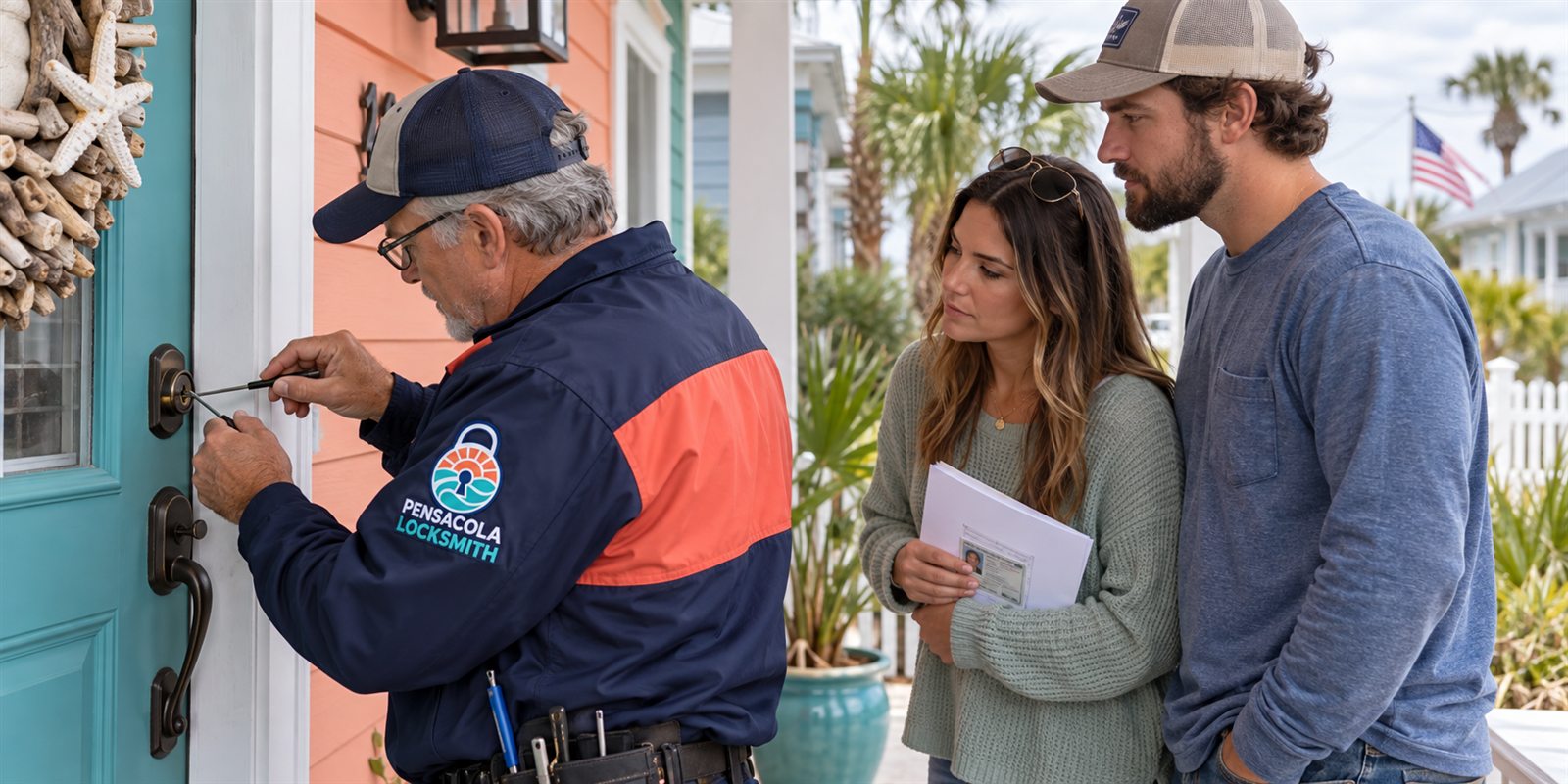
If you and your landlord agree to a lock change, put the agreement in writing, even if it is a short email. State who will pay, who will hire the locksmith and how many keys the landlord will receive. This protects you from misunderstandings at the end of the tenancy.
A locksmith will check ownership or authority before rekeying or replacing locks. In a rental, that usually means a message or call from the landlord or manager approving the work, along with your lease. Be ready with that confirmation when you call. It is not a matter of distrust, but of protecting both parties.
Rekeying is generally the least invasive option. The lock stays on the door, and only the internal pins change. If the lock is damaged, replacement may be needed. Quotes are given by phone. If the job is complicated, a technician visits and the service call charge is explained before dispatch. Please call to confirm availability.
If a lock fails and you cannot reach the landlord, take sensible temporary steps. Use a door wedge or a portable lock, move valuables and stay in contact with the office. Avoid permanent changes without approval, and keep any receipts. Let the landlord know what you did and why as soon as possible.
- Read your lease first
- Get landlord approval in writing
- Agree who pays and who holds keys
- Keep copies of messages
Lockouts as a renter
Being locked out of a rental is common. Your first call might be to the landlord or manager, who may have a spare key or a maintenance person who can help. Some leases specify how lockouts are handled and who pays. Check your lease or ask the office.
If you call a locksmith, expect a check that you live in the unit. A lease, photo identification, mail or confirmation from the landlord can serve. If your documents are inside, tell the dispatcher, and we will explain what other confirmation may work. Neighbors and managers can sometimes help.
Avoid forcing the door or breaking a window, which can cause damage that you might be responsible for. A locksmith can usually open a standard door without harm. Let the landlord know what happened, especially if the lock was affected. Keep any receipts, in case you and the landlord need to settle costs.
Apartment buildings often have shared entries, mail areas and laundry rooms. Be careful not to prop doors open or let strangers in behind you. Report broken gates or doors that do not close. Security in a building is a shared effort, and landlords generally want to hear about problems that affect everyone.
Security upgrades that suit renters
Not every improvement needs a lock change. Portable door devices such as a door stop alarm, a security bar or a travel lock can add protection without altering the door. A wide-angle viewer or a video doorbell with adhesive mounting can improve awareness. Check the lease before attaching anything permanent.
Simple fixes help too. Replace short hinge screws with long ones if the landlord permits, keep sliding door tracks clean and place a bar in the track. Make sure windows lock properly and report broken latches in writing. Maintenance requests create a record and often lead to repair.
If you want something more permanent, such as a smart lock or deadbolt upgrade, discuss it with the landlord. Some will agree if you restore the original hardware when you leave, or if they keep the improvement. Ask for the agreement in writing and keep the old parts safe. We can talk through options by phone.
Smart devices that mount without drilling, such as adhesive door sensors and temporary alarms, suit renters well. Check that adhesive will not damage paint, and remove everything neatly at move-out. These tools are not a substitute for good locks, but they add awareness and can deter casual intruders.
Roommates, partners and shared keys
Shared homes bring shared risks. When a roommate moves out, make sure they return their key, and consider whether the lock should be rekeyed. If the landlord handles locks, ask for a change. For partners who separate, the situation can be sensitive. A landlord may need to confirm who is on the lease before any change.
Keep a simple record of who holds keys in the household. Avoid leaving spare keys in obvious hiding spots. A trusted neighbor or a keypad lock with individual codes can be safer than a fake rock. If your lease limits changes, ask whether a keypad deadbolt is allowed.
Guests and caregivers are another consideration. Provide access carefully and recover keys when the need ends. If you worry about safety, tell your landlord, and seek help from appropriate local resources. A locksmith can assist with hardware once the landlord or authorized person approves the work.
If you are concerned about a former partner, roommate or acquaintance who may still have access, talk to your landlord about changing the locks and consider contacting local support services. Your safety comes first. A locksmith can help with hardware once the right person approves the work, and we can explain the process by phone.
Coastal living, student housing and military moves
Rentals near the water face humidity and salt air, which wear on locks and hinges. Report sticking or corroded locks to the landlord early, since small problems become lockouts. Keeping the key clean and avoiding force prevents breakage. A light lubricant made for locks can help if the landlord allows maintenance by tenants.
Students, short-term workers and military families move often and may rent furnished places or sublet. In these cases, the person with authority over the lock may be a master tenant, a manager or an owner far away. Clarify early who to call in an emergency, and keep that number outside the apartment.
At move-out, return all keys and ask for a receipt or written confirmation. Leave the locks as you found them unless you agreed otherwise. If you changed hardware with permission, follow the agreed plan. Photographs of the door and locks at move-in and move-out can help avoid disputes.
Keep a spare key somewhere safe, away from the door. A trusted friend, a family member or a neighbor is better than a hiding spot outside. If you use a lockbox, mount it in a discreet location with permission from the landlord. Change the code after any use by contractors or guests.
When to call a locksmith and what to have ready
Call when you have a lockout, a lost key, a lock that sticks or breaks, or a landlord-approved rekey. Give the address, the type of door and lock, and what happened. Quotes are given by phone. Please call to confirm availability for your location.
Have your lease and identification ready, plus a way to reach the landlord or manager. We check ownership or authority before opening, rekeying or programming locks. If the landlord authorizes the work, a short call or message usually settles it. If you do not know who to contact, ask the office or check your lease.
If the job is complicated, a technician visits and the service call charge is explained before dispatch. After the work, ask for a short explanation and keep records. A calm, informed approach protects your rights and keeps your relationship with the landlord on good terms.
At the end of the tenancy, return keys in person when possible and ask for written confirmation. Take photos of the door and locks as you leave. If you added items with permission, remove them neatly or leave them as agreed. A clean handover leaves a good record and a good reference.
Understanding your options when something goes wrong
If a landlord is slow to repair a lock, start with a polite written reminder that describes the problem and the safety concern. Allow reasonable time, and keep a copy. Many issues are resolved at this stage. If the problem persists, check your lease for the next step, and consider contacting a local tenant resource or legal aid office for general information.
If a locksmith is called to a rental for any reason, expect a conversation about authority. Landlords and managers can approve rekeying or replacement. Tenants can often approve a lockout opening when they can show they live in the unit. Understanding this in advance saves time and frustration at the door.
We cannot give legal advice, but we can explain how locks work, what rekeying involves and what we need before we start. Call us with your questions. Quotes are given by phone, and if the job is complicated a technician visits and the service call charge is explained before dispatch. Please call to confirm availability for your location.
Practical habits for any rental
Good habits help in any rental. Lock the door every time you leave and every night, even in a building that feels safe. Keep your keys in the same place so you do not lose them. Avoid putting your address on your key ring, and never leave a key under the mat or in a planter. Those spots are the first places anyone checks.
Take a few photos when you move in. Capture the door, the lock, the frame, the windows and any existing damage. Save them with the date. Take a second set when you leave. These pictures can settle questions about wear and repairs quickly, and they cost nothing. They also remind you which locks work well and which need attention.
Know whom to call. Keep the landlord, manager and emergency maintenance numbers saved in your phone and written on paper somewhere outside the unit. If a lock needs service, call us, describe it and we will quote by phone. We check ownership or authority first, so landlord approval may be needed. Please call to confirm availability.
Talking to your landlord about locks
A friendly, specific request works best. Say what you noticed, such as a lock that sticks or a desire to have the locks rekeyed after you moved in, and explain that you would like to feel secure. Offer to coordinate the schedule. Most landlords want their tenants to stay and are open to reasonable requests that protect the property.
Be flexible about solutions. A landlord might prefer to hire their own locksmith, to rekey rather than replace, or to keep a key for emergencies. Ask what they would like and what you can do to help. Agree in writing on who pays and who keeps keys. A short email is enough and creates a helpful record.
If the landlord declines or does not respond, keep the tone polite and stay in contact. For disputes about rights, local tenant resources or an attorney can give information. A locksmith can help with the hardware side once the landlord or another authorized person approves. Quotes are given by phone, and please call to confirm availability.
Common questions
Can I change my own locks in a rental?
Check your lease and ask your landlord first. Many leases require written consent and a key for the landlord. Changing locks without permission can cause problems. This is general information, not legal advice. If in doubt, speak to your landlord or a qualified advisor.
Who pays when a tenant is locked out?
It depends on your lease and the situation. Some leases assign lockout costs to the tenant, while others handle it through the office. Check your lease or ask the manager. We give quotes by phone, so you can decide with the facts in front of you.
Will a locksmith open my apartment without the landlord?
We check ownership or authority before opening. For a lockout, evidence that you live there, such as a lease, identification or mail, may be enough. For rekeying or replacing locks, landlord approval is usually needed. Call us and explain, and we will tell you what applies.
What can I do for security without changing the lock?
Portable door devices, a track bar for sliders, a wide-angle viewer and long hinge screws, where allowed, all help. Keep windows locked and report broken latches in writing. Ask your landlord before attaching anything permanent.
How do I get a quote for rekeying a rental?
Call us with the address, the lock type and confirmation that the landlord agrees. Quotes are given by phone. If the job is complicated, a technician visits and the service call charge is explained before dispatch. Please call to confirm availability.